




A Life in the Classroom
Before she was a hero in a spacesuit, Barbara Morgan was a hero to elementary school kids. Her career began in 1974, teaching remedial reading and math on the Flathead Indian Reservation in Montana. For over two decades, she dedicated herself to public
education, with stints in Idaho, and even a year teaching abroad in Ecuador. Like countless teachers, her world was one of lesson plans, patient explanations, and fostering curiosity. Morgan’s passion was helping young minds grow, a calling grounded firmly on Earth. In 1985, when President Reagan announced the Teacher in Space Project, created to send a civilian educator into orbit, her world changed. Out of more than 11,000 applicants, two were chosen: Christa McAuliffe, a social studies teacher from New Hampshire, and Morgan, the elementary teacher from Idaho, as her backup.
A Promise Forged in Tragedy
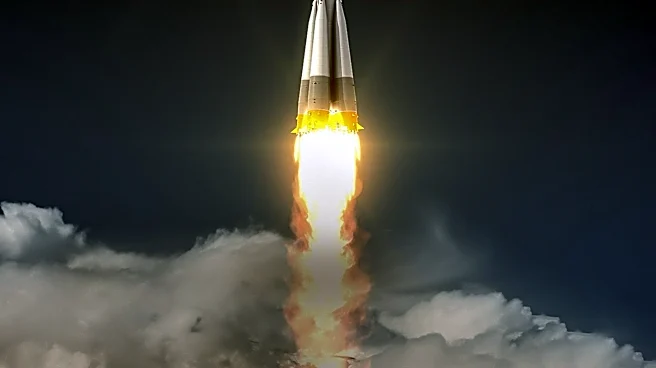
The nation watched in excitement as McAuliffe prepared for what she called "The Ultimate Field Trip." But on January 28, 1986, that excitement turned to horror. Just 73 seconds after liftoff, the Space Shuttle Challenger broke apart, and the crew, including McAuliffe, was lost. In the wake of the tragedy, NASA’s dream of sending a teacher to space was put on indefinite hold. Morgan, who had trained alongside the Challenger crew, suddenly found herself in a unique and somber position. NASA asked her to serve as the Teacher in Space Designee, a role that saw her return to her classroom in Idaho while also traveling the country, speaking to students and educational groups and keeping the mission's educational spirit alive. She was no longer just a teacher; she was the keeper of a promise.
The Long Road to the Launchpad
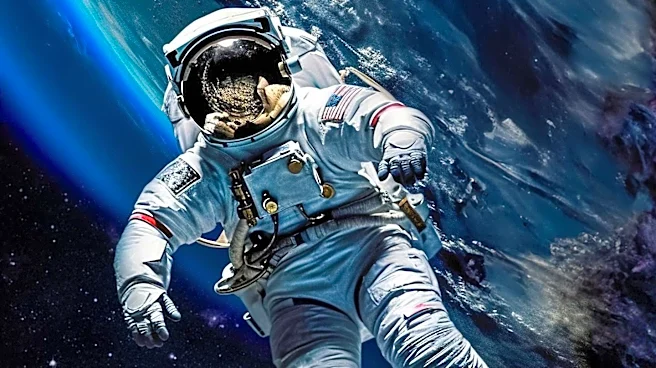
For years, Morgan balanced teaching with her duties for NASA's education division, designing curriculum and advocating for STEM. Then, in 1998, more than a decade after the Challenger disaster, NASA made a pivotal decision. The agency created the Educator Astronaut Project, a new program to recruit teachers not as civilian passengers, but as full-fledged, mission-specialist astronauts. That year, NASA selected Morgan to join the astronaut corps. This wasn’t a guest pass; it was a career change. She undertook the same grueling two-year training as any other candidate, learning everything from robotics to spacewalk procedures and emergency protocols. The path was long and demanding, but it was the ultimate fulfillment of the original vision—to have a professional educator become a professional astronaut.
A Classroom Without Walls
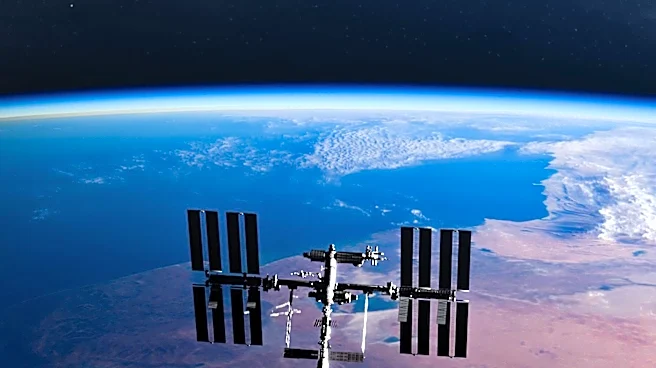
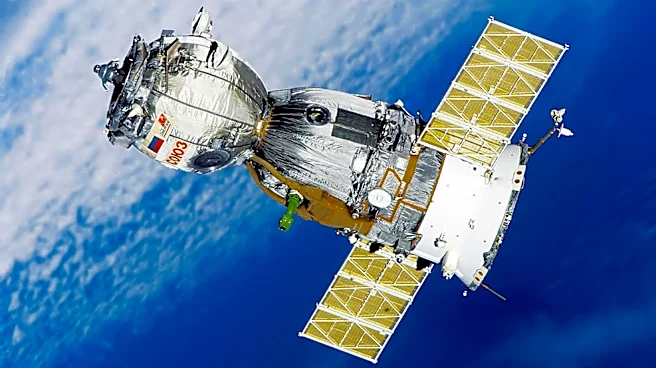
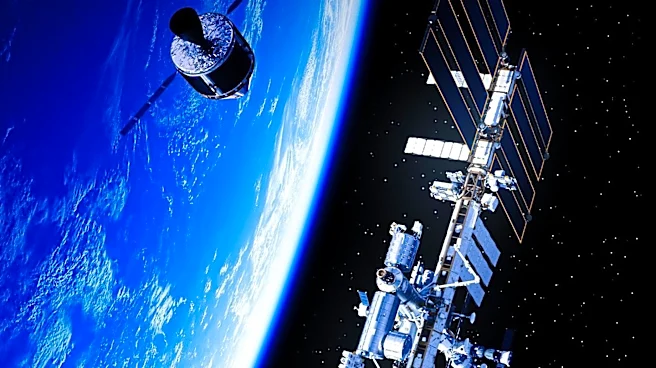
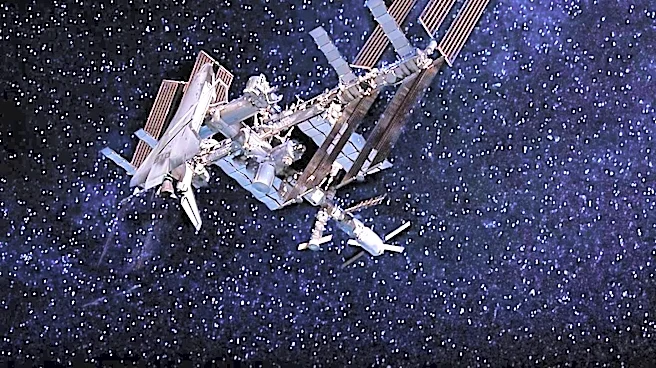
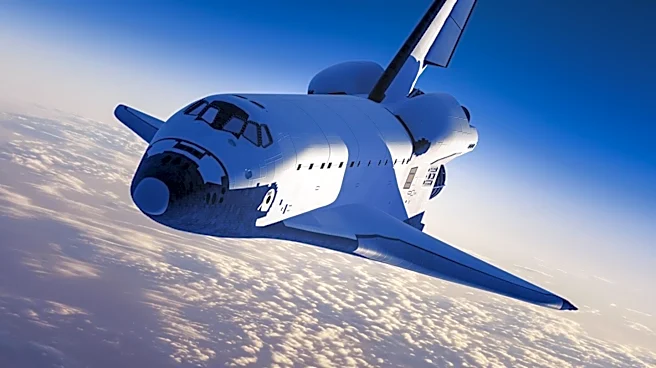
Finally, in August 2007, twenty-two years after she was first selected, Barbara Morgan flew into space aboard the Space Shuttle Endeavour on mission STS-118. She logged over 305 hours and 5.3 million miles in space, but her journey was about more than just the numbers. As a mission specialist, her duties were critical: she operated the shuttle’s and space station’s robotic arms to help with construction, assisted the pilots, and managed the transfer of cargo. And, in a poignant echo of McAuliffe's original plan, she conducted lessons from orbit, speaking with students on Earth. She proved that the skills of an educator—clear communication, calm under pressure, and an innate ability to translate complex ideas—were invaluable assets in the high-stakes environment of spaceflight. She hadn’t left her profession behind; she had taken it with her to the highest classroom imaginable.