





The Intoxicating 'Festival Bubble'
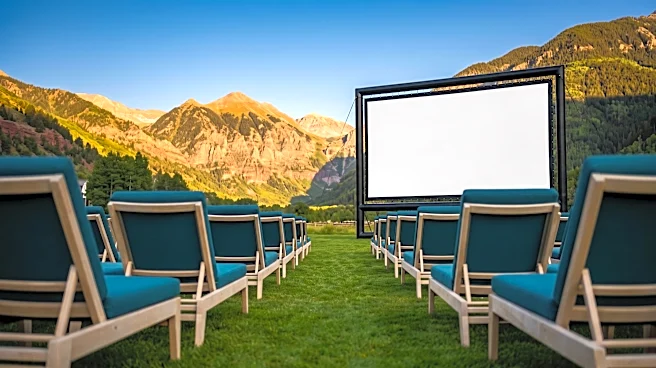
Imagine watching a world premiere in a historic opera house, surrounded by fellow cinephiles, with the director sitting a few rows away. This is the Telluride experience, and it’s deliberately magical. But that magic creates what insiders call the 'festival
bubble'—an intense, isolated environment where the collective energy can be intoxicating. A film that receives a tearful standing ovation in this setting can feel like an undisputed masterpiece. Critics are human; they’re susceptible to this atmosphere. The first step in a sober evaluation is simply acknowledging that the context—the exclusivity, the shared emotion, the beautiful scenery—is designed to heighten a film’s impact, sometimes beyond what it has earned on its own merits.
The Pressure of the Instant Reaction
Before the credits finish rolling, the digital race begins. Critics face immense pressure to deliver immediate, punchy reactions on social media. A film’s entire awards-season narrative can be launched or sunk by the first wave of tweets. This demand for instant analysis works against deep reflection. A savvy critic learns to distinguish their initial emotional response from a more considered analytical judgment. They might tweet something that captures the mood ('a real tearjerker') while internally reserving a final verdict. They train themselves to ask questions in the moment: Is this feeling earned through brilliant storytelling, or is it the result of skillful but shallow emotional manipulation? The first take is for the timeline; the real critique takes more time to form.
The Second-Screening Reality Check
One of the most trusted tools in a critic's arsenal is the second screening. A film that dazzles in the mountains might play very differently on a Tuesday afternoon in a multiplex. Divorced from the hype and the high-altitude emotion, a film’s flaws—a weak plot, underdeveloped characters, a manipulative score—often become glaringly obvious. Conversely, a challenging or subtle film that felt merely 'interesting' at Telluride can reveal its brilliance on a second viewing. This practice is crucial for separating films that provide a one-time emotional rush from those with the depth and artistry to reward multiple viewings. It’s the difference between a firework and a star; one burns bright and fast, while the other endures.
Putting the Film in Context
Lasting quality is often a measure of a film's conversation with cinema itself. A movie that feels groundbreaking at a festival might, upon reflection, be a well-executed homage to a classic film or a clever twist on a familiar genre. Experienced critics have a deep well of cinematic knowledge that they use as a framework. They ask: How does this film fit into its director’s filmography? Does it advance a genre or merely imitate it? Is its social commentary truly insightful, or is it echoing ideas that have been explored more effectively elsewhere? A film doesn’t need to be wholly original to be great, but a critic's job is to understand where it sits in the broader landscape of film history and contemporary filmmaking to accurately gauge its significance.
Listening to the Quieter Signals
In the frenzy of a festival, the loudest movies often get the most attention. But lasting quality can be quiet. Critics learn to trust the slow-burn films that don't generate immediate, rapturous applause but linger in the mind for days. These are often the movies that, months later, are remembered and revisited long after the initial 'buzz' has faded from more conventional crowd-pleasers. It’s also about recognizing technical excellence that serves the story, not just shows off. A film with seamless editing, nuanced sound design, or cinematography that builds a world without screaming for attention often has more staying power than one with more obvious, flashy flourishes. Separating euphoria from quality means looking for the craft that endures, not just the spectacle that impresses.