





The Fear of a Shinier Toy
When Toy Story debuted in 1995, it tapped into a universal childhood truth and gave it a name. Woody, the pull-string sheriff, was the undisputed favorite until a sleeker, more advanced rival arrived: Buzz Lightyear, the space ranger with lasers and wings.
The conflict was a brilliant metaphor for sibling rivalry and the playground politics of popularity. The fear was personal and tangible. Woody could see his replacement, argue with him, and eventually befriend him. The solution was co-existence. Toy Story 2 deepened this theme by introducing the collector. Woody wasn’t just at risk of being replaced by a cooler toy, but of being turned into a static object, preserved under glass rather than loved to the point of ruin. The central question became: is it better to be immortalized and untouched, or to be played with, even if it means an eventual end in an attic? The threat was still physical, a human who wanted to possess him, and the choice was between two different kinds of toy life. In both films, the enemy was something the toys could understand and confront directly.
When the Owner Is the Problem
Toy Story 3 masterfully evolved the franchise's central metaphor. The enemy was no longer another toy or a greedy collector; it was time itself. Andy was going to college. The crisis wasn’t about being replaced, but about being outgrown. This existential dread—of becoming irrelevant simply because the person you love has moved on—resonated powerfully with parents in the audience, who were watching their own kids grow up. The film’s terrifying incinerator sequence wasn't just a brush with literal death, but a metaphor for total obsolescence. The toys only survived by sticking together and accepting a new reality with a new owner, Bonnie. It felt like a perfect, definitive ending. Then came Toy Story 4, which asked an even more challenging question: what is a toy’s purpose without a primary owner? Woody, sidelined by Bonnie, finds a new calling helping lost toys find kids. The film shifted the focus from the anxiety of a single child’s love to a broader sense of purpose. But even here, the fundamental framework remained: a toy’s value is defined by its relationship to a child’s physical playtime.
The Glow of the Glass Rectangle
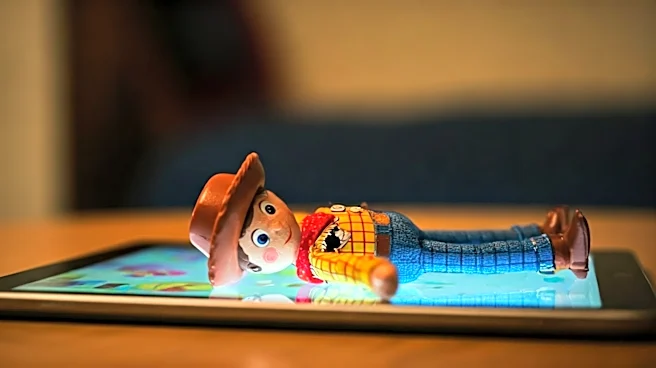
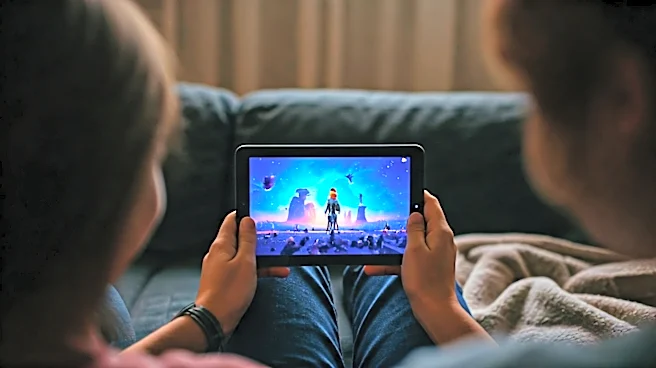
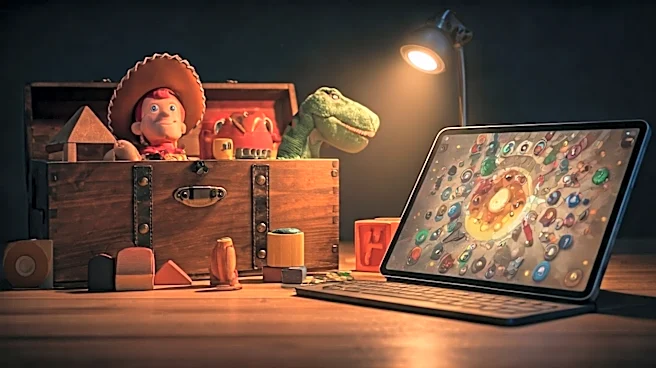
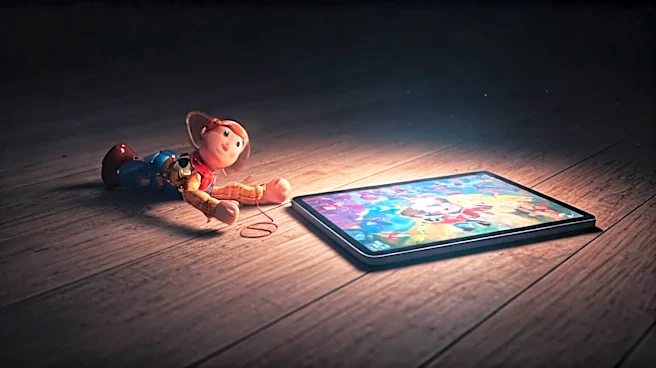
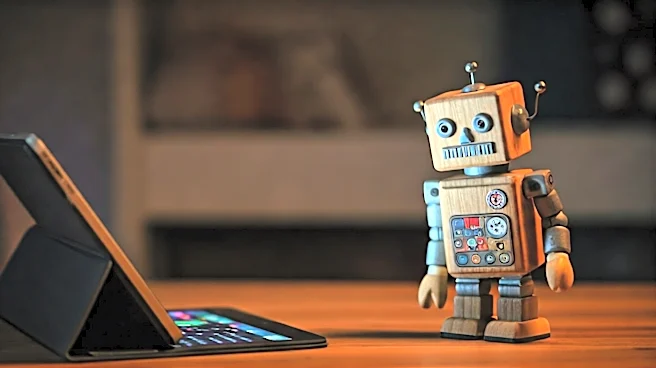
Enter the 2020s. Today, the biggest rival for a child’s attention isn't a new action figure. It's a glowing screen. The pull of YouTube, TikTok, Minecraft, and endless streaming content represents a categorical shift in the nature of play. This is the most fertile, relevant, and emotionally potent territory for Toy Story 5 to explore. The franchise's central conflict can be updated from a pull-string cowboy versus a space ranger to a group of analog toys versus the digital universe. This isn't a simple rivalry; it's an existential crisis. How does a physical toy compete with an infinite scroll of algorithmically-optimized content? You can’t reason with an iPad. You can’t convince a YouTube video to share playtime. The screen is not a peer; it's an all-consuming portal to another reality that leaves no room for the imaginative, physical play that Woody and Buzz were built for. This new threat is impersonal, omnipresent, and utterly indifferent to their existence.
A Crisis of Purpose, Not Popularity
A fifth film centered on the “screen-time crisis” would allow Pixar to connect with a new generation of parents and children grappling with this very issue. The dramatic questions write themselves. Does Buzz try to “defeat” the internet? Does Woody, the ultimate leader, try to rally the toys for one last campaign to win back their kid’s attention from a tablet? The conflict becomes a poignant struggle for relevance in a world that seems to have moved on from their very state of being. This would elevate the franchise beyond a simple rehash of old themes. The enemy isn't evil, like Stinky Pete or Lotso. It's just… progress. It's the silent, passive consumption of media that has replaced the active, imaginative creation of stories on the bedroom floor. For a group of toys whose entire existence is predicated on being part of that imagination, there is no greater threat. It forces them to confront a world where they aren’t just unloved, but entirely unseen.