

The Unhappy Return to Work
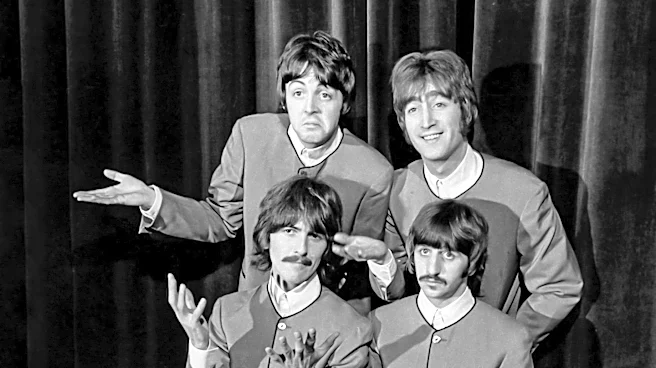
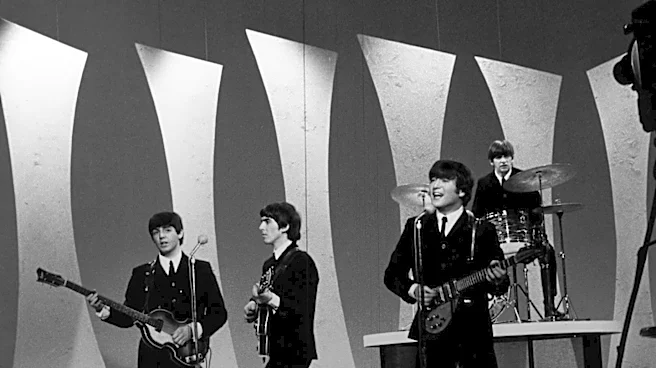
By January 1969, the cracks in The Beatles were impossible to ignore. After the tense, fractured sessions for the “White Album,” Paul McCartney conceived of a new project, codenamed “Get Back.” The idea was to return to their roots: write and rehearse
new songs as a live band, culminating in a televised concert. To document the process, director Michael Lindsay-Hogg’s film crew was hired to capture everything. The band convened on January 2 at Twickenham Film Studios, a cold, cavernous, and uninspiring space. Instead of fostering camaraderie, the environment, coupled with the pressure of being constantly filmed, only magnified the growing resentments within the world’s biggest band.
The Final Straw
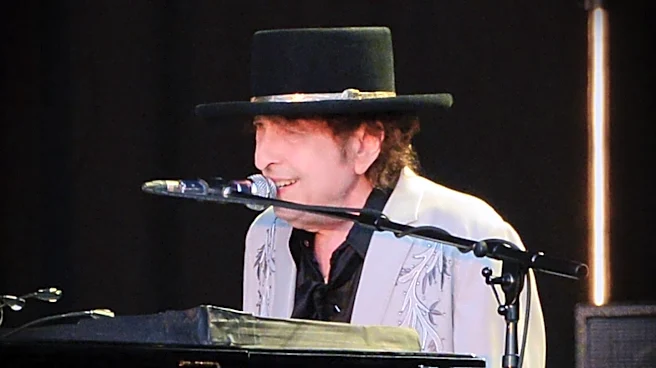
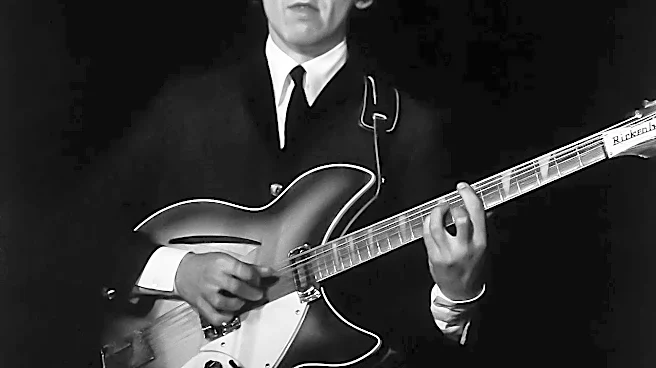
For George Harrison, the sessions were particularly grating. Having recently spent time in Woodstock collaborating with Bob Dylan and The Band, he had experienced a more democratic and respectful creative environment. Back in the fold, he was once again relegated to the role of junior partner, with his own songwriting contributions often met with indifference from John Lennon and micromanagement from McCartney. The tension boiled over on January 10th. While rehearsing songs like “Get Back” and “Two of Us,” McCartney began dictating how Harrison should play his guitar parts. A now-famous exchange, captured on film, saw a visibly frustrated Harrison sarcastically telling McCartney, “I’ll play whatever you want me to play, or I won’t play at all if you don’t want me to play.” It wasn’t a dramatic, shouting match, but a moment of quiet, simmering defeat.
‘See You ‘Round the Clubs’
Harrison didn't storm out in that exact moment. He waited until the lunch break. He then calmly informed the group he was leaving, his parting words a laconic, “See you ‘round the clubs.” His diary entry for the day was equally blunt: “Got up, went to Twickenham, rehearsed until lunchtime, left the Beatles, went home.” The remaining three Beatles were stunned. Lennon, in a moment of aggression, immediately and caustically suggested they replace him with Eric Clapton. The afternoon session devolved into a noisy, aimless jam, with Yoko Ono taking to Harrison's vacant microphone. Harrison, meanwhile, went home and channeled his frustration into writing a new song, “Wah-Wah,” a direct swipe at the stifling atmosphere and creative friction he had just escaped.
The Conditions of Return
Harrison’s departure lasted 12 days. After an initial meeting failed to resolve the issues, the four members met again on January 15th at Ringo Starr’s house. Harrison laid out his conditions for returning: the idea of a big, televised live concert had to be abandoned completely, and the sessions had to move from the sterile Twickenham soundstage to their own new, cozier studio in the basement of Apple headquarters at 3 Savile Row. The others agreed. This compromise was a crucial turning point. It not only brought Harrison back into the band but fundamentally altered the trajectory of the project. The move to Apple Studios, though initially plagued by technical problems, created a more intimate working environment.
A Moment That Made History
Freed from the pressure of a looming concert in a foreign location, the band's work became more focused. It was this shift that ultimately led to one of the most iconic performances in rock history: the impromptu concert on the rooftop of the Apple building on January 30, 1969. Harrison’s walkout, a moment that could have prematurely ended The Beatles, instead acted as a necessary catalyst. It forced the band to confront their dysfunctional working conditions and find a compromise that allowed them to finish the album and create a legendary final public performance. It was a near-disaster that, by forcing a change of plans, inadvertently cleared the path for music history to be made on a London rooftop.