






FIFA’s Billion-Dollar Playbook
Before a single ball is kicked, FIFA has already secured the bag. The governing body of world soccer operates on a four-year cycle, and the men’s World Cup is its cash cow, generating over 90% of its revenue. So where does this river of money come from?
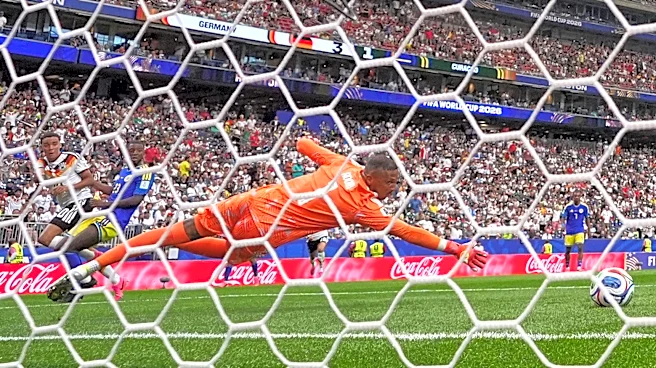
It’s not ticket sales. The two golden geese are broadcasting rights and marketing rights. For the 2022 Qatar cycle, FIFA raked in an estimated $7.5 billion, with television rights accounting for the lion’s share. Networks around the globe, like Fox and Telemundo in the U.S., pay astronomical sums for the exclusive right to broadcast the matches to billions of viewers. The next biggest slice comes from corporate sponsors. You’ll see their logos plastered everywhere—from stadium hoardings to the official soccer ball. Companies like Coca-Cola, Adidas, and Visa pay hundreds of millions for an official partnership, buying a direct line to one of the world's most captive audiences. For FIFA, the business model is brilliant: they own an incredibly desirable product and sell access to it for staggering prices, all while offloading the operational costs.
The Host City 'Privilege'
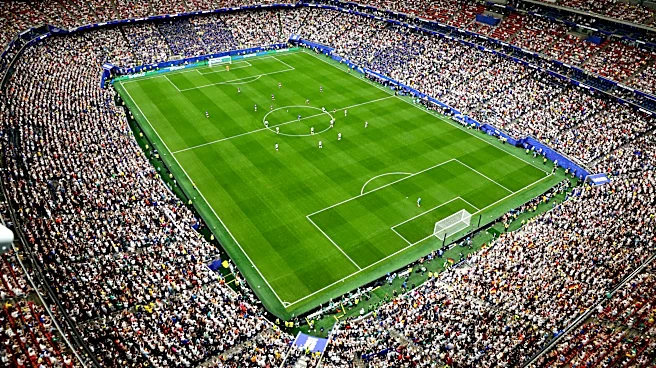
So, if FIFA is making billions, who is paying to throw the actual party? That would be the host cities and countries. For U.S. cities like Dallas, Los Angeles, and New York/New Jersey, winning a bid to host games was framed as a massive honor. But that honor comes with a hefty price tag and a long list of demands from FIFA. Host cities are typically responsible for providing and upgrading world-class stadiums, ensuring top-tier security for teams and fans (a massive expense), managing transportation logistics, and providing training facilities. Furthermore, FIFA often requires significant tax exemptions on its tournament-related income and that of its partners. Essentially, host cities take on most of the financial risk and operational burdens. They spend public money to prepare for the influx of fans and meet FIFA’s stringent requirements, all for the promise of being in the global spotlight for a few weeks.
The Great 'Economic Impact' Debate
The main justification for these public expenditures is always the promise of a massive economic boom. Consultants and bid committees release impressive reports projecting billions in economic activity and the creation of thousands of jobs. But a growing consensus of independent economists suggests these projections are often wildly optimistic. The reality is more complicated. Many of the jobs created are temporary, disappearing as soon as the tournament ends. The projected influx of tourist spending can be partially offset by the “crowding out” effect, where the World Cup fans displace regular tourists who would have visited and spent money anyway. Hotels raise their rates, but much of that extra revenue goes to corporate chains, not necessarily local pockets. Studies of past mega-events, from the Olympics to other World Cups, have repeatedly shown that the promised long-term economic benefits rarely materialize as predicted, while the bills for infrastructure and services remain very real.
Who Really Wins?
When you follow the money, a clear picture emerges. The undisputed champion is FIFA. As a non-profit based in Switzerland, it takes in billions in revenue, covers its operational costs, and then distributes a portion of the funds to its 211 member associations around the world to “develop the game.” The other big winners are the multinational corporations that serve as official sponsors, gaining unparalleled global brand exposure. Local construction firms that get contracts for stadium upgrades can also do well. The losers? Often, it’s the local taxpayers in host cities. They subsidize the event through public funds for security and infrastructure, and through tax breaks given to one of the world’s wealthiest sporting organizations. While the intangible benefits of civic pride and global attention are real, they don’t show up on a city’s balance sheet.