







The Revolution of the Ball
Before 2008, international soccer was a mixed bag of tactical approaches. You had Brazil’s flair, Italy’s defensive catenaccio, Germany’s efficient power, and England’s physical, direct play. Success came in many forms. Then, a revolution began. Spearheaded
by coach Luis Aragonés and perfected by Vicente del Bosque, Spain’s national team—built on the foundation of Pep Guardiola’s Barcelona—embraced an almost hypnotic style of play. Dubbed “tiki-taka,” its philosophy was simple but radical: the ball was everything. The goal wasn’t just to score, but to starve the opponent of possession entirely through short, intricate, and relentless passing. With midfielders like Xavi, Andrés Iniesta, and Sergio Busquets acting as a human carousel, Spain didn't just beat teams; they mentally exhausted them, passing them into submission. It was a stark contrast to the athletic, counter-attacking styles that had often defined championship soccer.
When Dominance Became Dogma
Between 2008 and 2012, this Spanish armada was untouchable. They won two European Championships and a World Cup in succession, a feat unmatched in the modern era. At the club level, Guardiola’s Barcelona used the same blueprint to become arguably the greatest club side in history. This unprecedented success did something profound: it fused a specific style with the concept of greatness. Tiki-taka was no longer just *a* way to play; for millions of fans, pundits, and even coaches, it became *the* way. It was aesthetically beautiful, technically demanding, and philosophically proactive. It wasn’t just about winning; it was about achieving a state of total control. Any other method, no matter how effective, began to feel brutish, cynical, or unsophisticated by comparison. The Spanish style became a new dogma.
The Unspoken Yardstick of Today
This is the core of its enduring legacy. Listen to any debate about a top team today. When Pep Guardiola’s Manchester City methodically dismantles an opponent with 70% possession, they are lauded as the heirs to this philosophy, playing soccer “the right way.” Conversely, when a team wins a title through pragmatic defense and blistering counter-attacks—think of José Mourinho’s most successful sides or Antonio Conte’s championship teams—the praise often comes with a caveat. “Effective, but is it entertaining?” “They’re hard to watch.” “It’s not ‘champagne football.’” These criticisms don't exist in a vacuum. They exist because Spain’s golden generation created an aesthetic ideal that now lives in the back of every fan’s mind. They taught us to value technical purity and proactive control, often above the raw result itself. A team can win, but if they cede possession and grind out a 1-0 victory, they are rarely afforded the same universal reverence.
The Counter-Revolution It Inspired
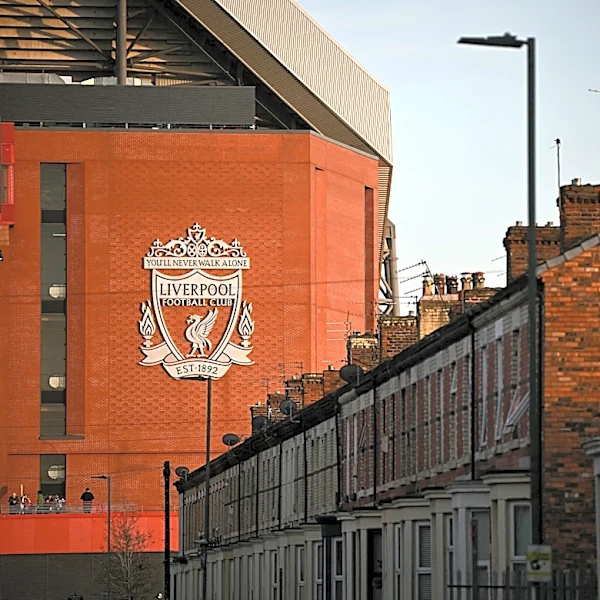
Ironically, the greatest proof of tiki-taka's influence is the tactical movement that rose to destroy it. Visionary coaches like Jürgen Klopp developed “gegenpressing” (counter-pressing) as a direct antidote. Instead of sitting back and waiting to be passed to death, his teams at Dortmund and Liverpool swarmed the opposition the moment they lost the ball, using frantic energy to disrupt the rhythm of possession-based teams. This high-octane, vertical style is now a dominant force in its own right. Yet, it was born as a response. Its very existence is a testament to the problem tiki-taka posed. The tactical story of the last decade has been a grand battle between the disciples of possession and the pioneers of pressing. You either try to emulate Spain's control or you build a system specifically designed to shatter it. Either way, you are defining yourself in relation to that 2008-2012 ideal.