


Embrace the Sprezzatura Mindset
Before you even touch a scarf, you need to understand the guiding principle of Italian style: *sprezzatura*. It’s a concept that means “studied carelessness.” It’s the art of looking impeccably put-together, but in a way that seems utterly effortless,
almost accidental. The men at Pitti Uomo don’t look like they spent an hour fussing with their scarf in the mirror. They look like they grabbed a beautiful piece of fabric, threw it around their neck on the way out the door, and it just happened to land perfectly. This is a mental shift. You’re not “wearing a scarf” as a formal accessory; you’re using it to add a touch of texture, color, and nonchalant warmth. The goal is to look relaxed, not rigid.
Invest in the Right Fabric
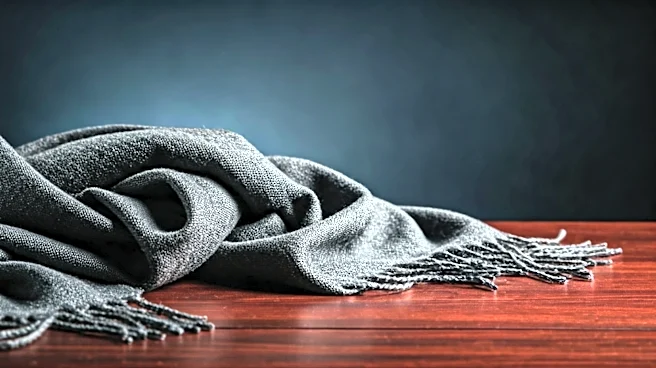
You can’t fake sprezzatura with a cheap, shiny polyester scarf. The secret to the Pitti look is luxurious, natural material that has some body and texture. In the fall and winter, that means focusing on wool, cashmere, or rich blends. These fabrics have a natural drape and a soft hand-feel that immediately elevates the look. A slightly fuzzy lambswool or a weighty cashmere scarf will hold a loose knot or a simple drape far better than a thin, slippery fabric. For warmer weather, look for linen, cotton, or silk-linen blends. These materials are breathable and add a touch of rumpled elegance that is perfect for a spring blazer. The point is, the scarf itself should be the statement of quality, not the knot you tie it in.
Forget Complicated Knots. Drape It.
This is the single most important rule for avoiding the “overdressed” look. The tight, symmetrical Parisian knot you see in department store catalogs is the enemy of sprezzatura. It’s too perfect, too deliberate. The Pitti Uomo regulars almost exclusively rely on two incredibly simple moves: the drape or the single loop.
The Drape: This is the easiest and most confident way to wear a scarf. Simply drape it around your neck, letting the two ends hang down your front. That’s it. It works best under the lapels of a sport coat or overcoat, adding a vertical line of color and texture without any bulk around your neck. The length should be roughly equal on both sides, but don't obsess over precision—a little asymmetry is the whole point.
The Single Loop: If you need a bit more security or warmth, this is your go-to. Drape the scarf so one end is longer than the other, then wrap the long end once around your neck. Let both ends hang in the front. Again, don’t tighten it like a noose. Keep it loose and relaxed. This creates an elegant, casual frame for your face.
Consider the Rest of Your Outfit
A brilliantly executed scarf can’t save a mismatched outfit. The Pitti look works because the scarf is part of a cohesive, well-considered whole. This doesn’t mean you need to wear a three-piece suit. It just means the context has to make sense. A beautiful wool scarf draped over a tailored topcoat, a sharp blazer, or even a high-quality suede jacket looks intentional and sophisticated. Throwing that same scarf over a technical rain jacket or a collegiate hoodie creates a jarring disconnect. The scarf should complement your outerwear, not fight with it. Think of your outfit in layers: a great shirt, a handsome sweater or jacket, and then the scarf as the finishing touch that ties it all together.
Let the Scarf Be the Star
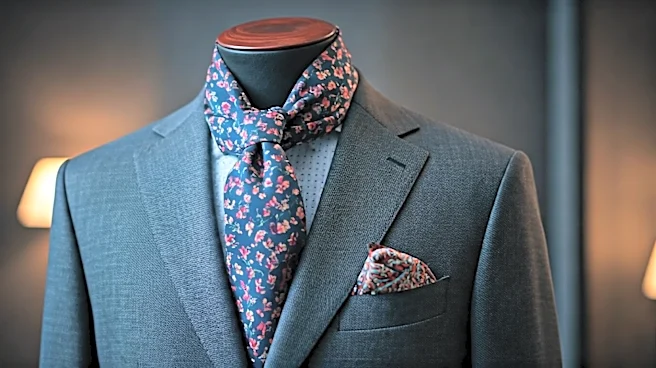
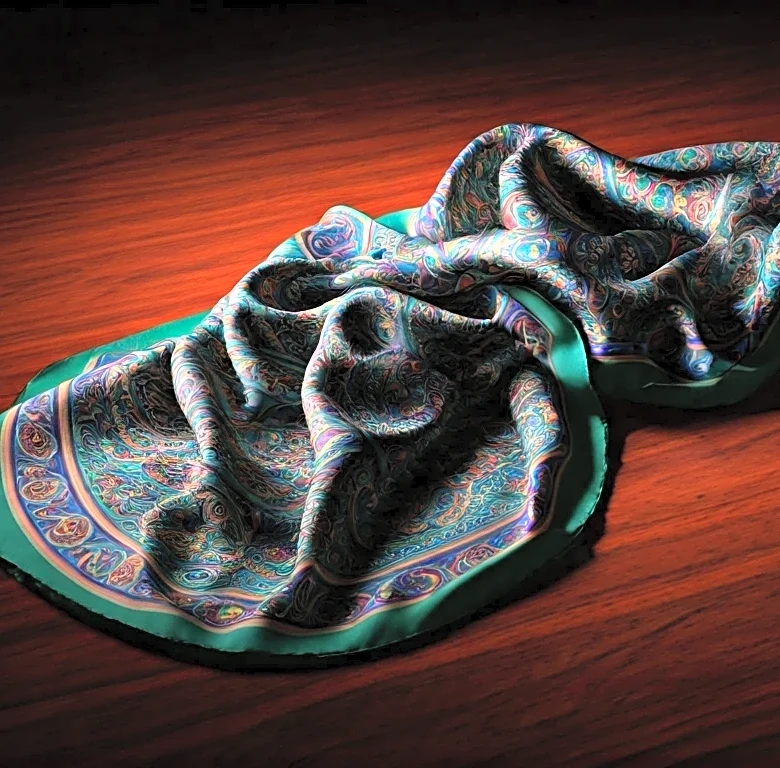
If you’re going with a brightly colored or boldly patterned scarf—a classic move seen all over Florence—let it be the main point of interest. Don’t try to compete with it. A vibrant madder print or a classic check scarf looks fantastic when the rest of your outfit is relatively muted and classic. Pair it with a navy blazer, a charcoal overcoat, or a simple grey crewneck sweater. The scarf provides the personality, while the rest of your clothes provide a quiet, confident backdrop. Trying to pair a loud scarf with a loud shirt and a loud jacket is how you go from stylishly confident to desperately seeking attention. Choose one star for your outfit, and let the other pieces play a supporting role.