

More Than Just a 'Wow' Moment
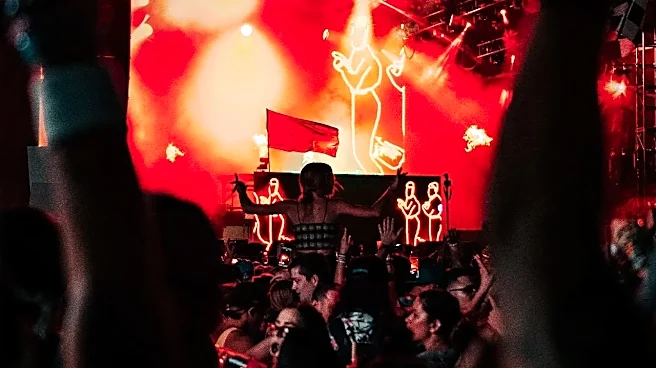
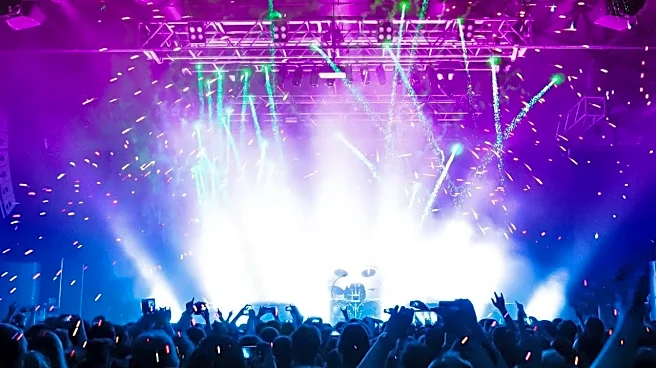
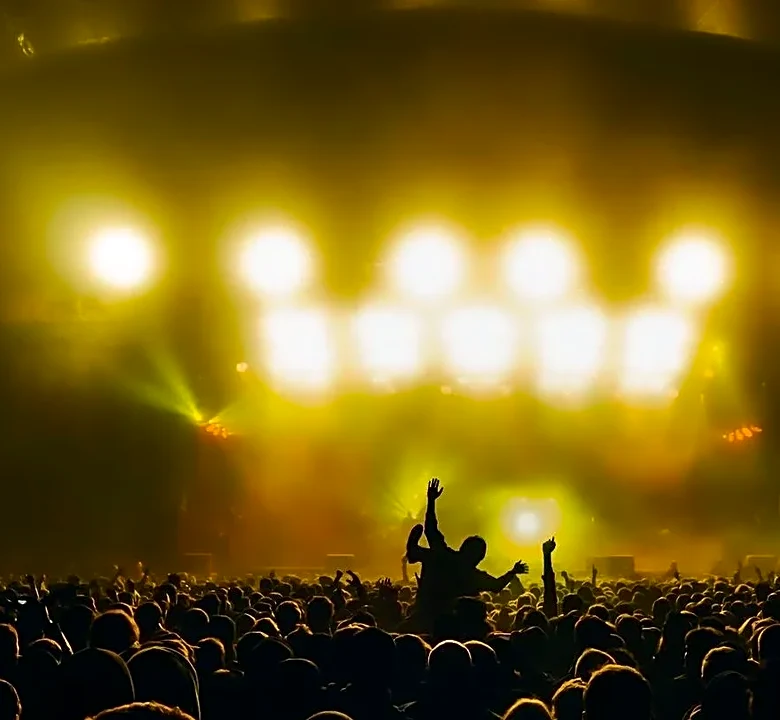
In an era of social media saturation, the surprise guest has become an expected part of the modern stadium tour playbook. From festival stages like Coachella to arena sell-outs, the 'who will they bring out?' guessing game is part of the fan experience.
But the artists who do it best understand that the shock factor is only the beginning. A truly great guest spot isn't just a celebrity appearance; it's a carefully crafted piece of performance art. It has to feel earned, logical, and additive. When Paul McCartney brought out Bruce Springsteen and Dave Grohl at Glastonbury, it worked because it felt like a convergence of rock royalty, a nod to shared history and mutual respect. The goal is to create a memory that deepens the concert's narrative, not just a viral clip that distracts from it.
The Power of Narrative Cohesion
The most effective surprise appearances make perfect sense in hindsight. They tap into a story—be it geographical, historical, or personal. When Jay-Z made a surprise appearance with the jam band Phish in Brooklyn, it was a culture-clash moment that celebrated New York's diverse musical landscape. Similarly, when Eminem, then facing controversy, performed "Stan" with Elton John at the Grammys, the collaboration was a powerful statement that transcended the performance itself. The choice was artistically brilliant and culturally resonant, creating a dialogue between two seemingly opposite corners of the music world. The guest needs to feel like a missing puzzle piece the audience didn't know they were looking for, not a random celebrity dropped in for clout. It's about context. The appearance should answer the silent question of "Why them, why here, why now?"
Chemistry Is Non-Negotiable
An audience can spot awkwardness from a mile away. The connection between the host artist and their guest has to feel genuine. When George Michael joined Elton John for a live performance of "Don't Let the Sun Go Down on Me," the power came from their shared vocal prowess and visible camaraderie. Conversely, a lack of chemistry can make a highly anticipated cameo fall flat, turning a potential highlight into a cringeworthy shuffle. The performance should feel like a conversation between two artists who respect and enjoy one another, like when Beyoncé brought out her former Destiny's Child bandmates Kelly Rowland and Michelle Williams during her Super Bowl halftime show. The joy of their reunion was palpable and infectious, making the moment feel like a gift to the fans.
Serving the Song, Not the Ego
A surprise guest spot fails when it becomes a hostile takeover of the stage. The performance must serve the song, not just the guest's brand. The collaboration between Run-DMC and Aerosmith on "Walk This Way" is a prime example; it broke down genre walls and created something entirely new that honored both artists' strengths. Each side elevated the other. The same can be said for more stripped-down moments, like when Eddie Vedder and Beyoncé performed a duet of Bob Marley's "Redemption Song." It was a simple, powerful performance focused entirely on the song's message, shared between two distinct voices. The best cameos are acts of generosity, where superstars are willing to be part of a supporting cast to create a singular, unforgettable moment for the audience.