






From the Track to the Trend Cycle
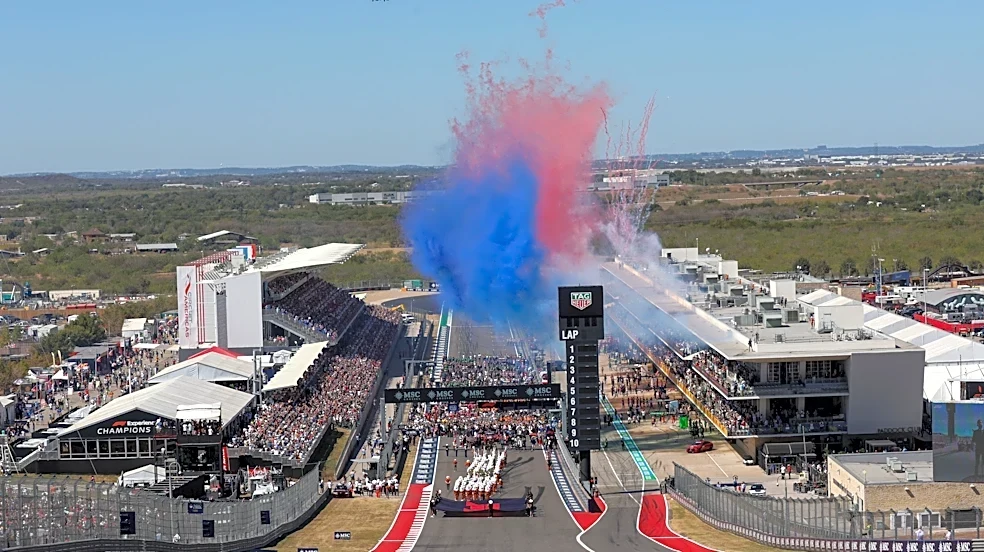
For years, American sports fashion has been dominated by jerseys and caps bearing a player's name and number. But at the Circuit of the Americas, a different kind of fan uniform was on display. Instead of team logos on generic sportswear, attendees showcased
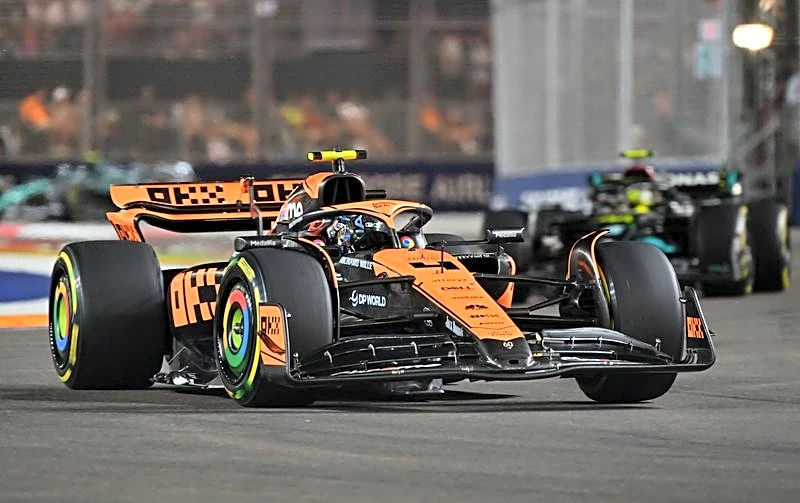
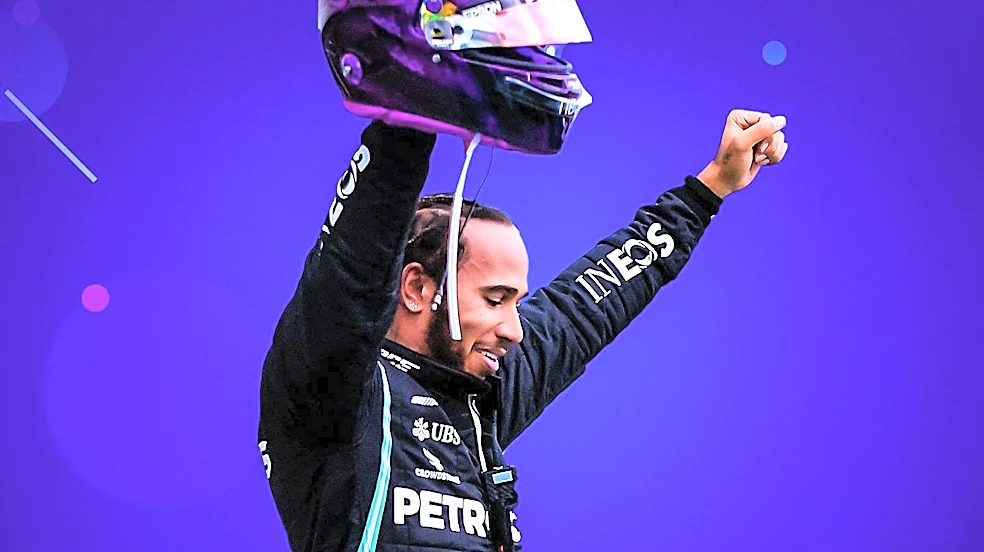
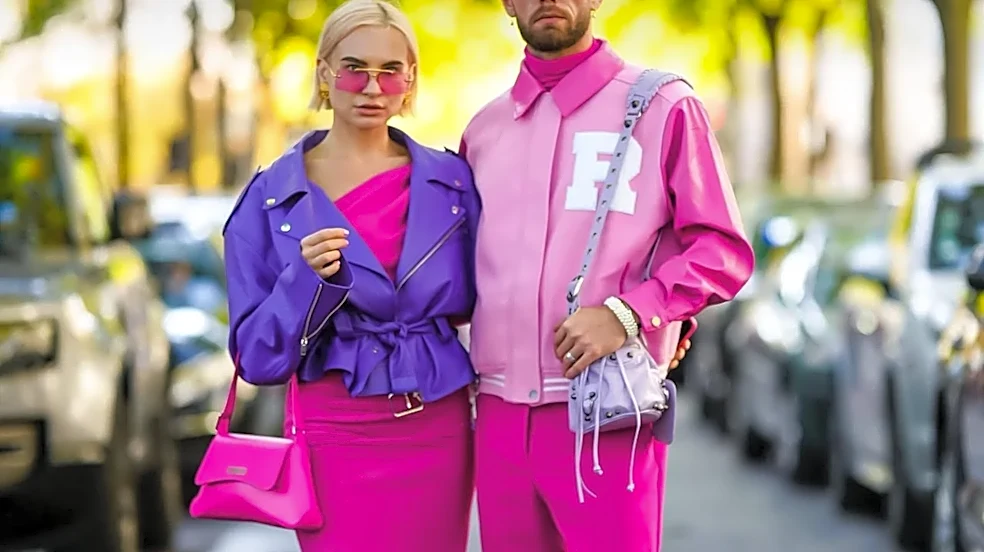
sophisticated outfits built around color palettes. We saw the iconic papaya orange of McLaren paired with denim, the legendary rosso corsa of Ferrari as a statement jacket, and the sleek silver and teal of Mercedes inspiring entire color-blocked looks. This isn't just about buying merchandise; it's about translating a team’s entire aesthetic into a personal style statement. The trend signifies a deeper cultural integration, where supporting a team is expressed through a fashion-forward lens rather than simple memorabilia. This shift has turned the paddock and the grandstands into a runway for sports fans.
The 'Drive to Survive' Effect
So, why now? The answer, in large part, is Netflix. The 'Drive to Survive' docuseries transformed F1 drivers and team principals from anonymous figures into compelling characters in a high-stakes drama. This narrative approach resonated deeply in the U.S., a market historically dominated by NASCAR. The show gave new fans, many of whom had never watched a race, a reason to feel personally connected to the teams. Suddenly, you weren't just rooting for a car; you were rooting for a group of personalities, their rivalries, and their ambitions. This emotional investment has driven a massive spike in F1's popularity and, consequently, its merchandise sales, with fans eager to wear their newfound allegiances. The team kits themselves have become more than just uniforms; they are symbols of the stories fans have grown to love.
High Fashion Meets High Octane
The fashion world has been quick to embrace this phenomenon. Major apparel brands like Puma, Adidas, and Tommy Hilfiger have elevated team wear from basic fan gear to legitimate fashion collections. This year’s collections feature sharper silhouettes, more considered branding, and designs that are intended to be worn far beyond the race weekend. For the USGP in Austin, Tommy Hilfiger released a special capsule collection with the new Cadillac team, blending classic American cool with a Texas-inspired twist, featuring light-washed denim and western details. Similarly, streetwear powerhouse New Era has taken over the full teamwear for Williams, aiming to create a lifestyle brand where speed is something you wear every day. This convergence of sport and style is also fueled by celebrity influence, with stars like Kim Kardashian and Hailey Bieber frequently spotted in the paddock, treating race weekends like a high-fashion event.
Austin's Grand Prix Scene
Nowhere was this trend more evident than in Austin. The city became a hub of F1 culture, with fan zones and pop-up shops taking over downtown. Formula 1 itself hosted an 'F1 Hub' on Congress Avenue, offering exclusive collections and collaborations, including limited-edition cowboy boots. Fans planned their outfits meticulously, balancing comfort for long days at the expansive circuit with statement pieces that showed off their team pride. It wasn't just about wearing an official team polo; it was about curating a look. From graphic tees with vintage racing motifs to bold color combinations inspired by team liveries, Austin's street style proved that F1 fashion is creative, expressive, and here to stay.