


The Neurological Echo Chamber
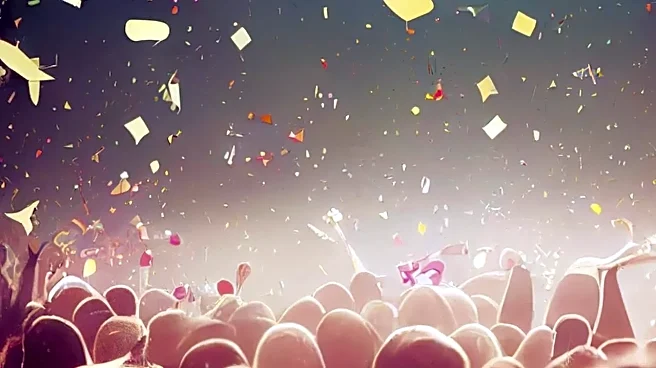
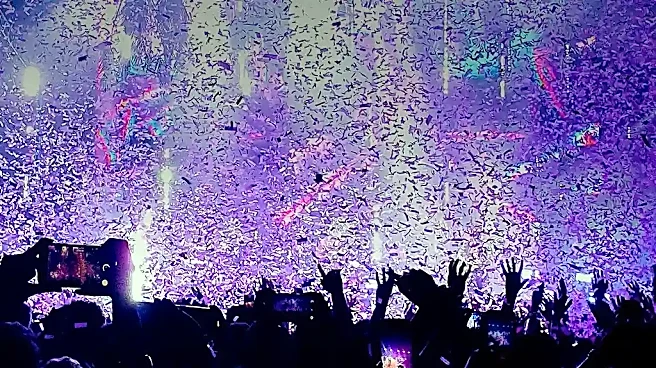
The primary reason we cling to a setlist is rooted in brain chemistry. Live music, especially in a festival atmosphere, triggers a significant release of dopamine, the neurotransmitter associated with pleasure and reward. When you listen to those songs
again, your brain gets a taste of that same chemical high. It’s not just in your head; it’s a physiological response. This act of re-listening strengthens the neural pathways forged during the event, making the memories more vivid. Each time you hear that surprise deep cut or the massive closing anthem, you’re not just remembering the moment—your brain is actively trying to relive the joy of experiencing it. The anticipation of a favorite lyric or a beat drop you remember from the live show can create its own sense of satisfaction, reinforcing the desire to hit repeat.
Fighting Off the Post-Festival Blues
Every peak has a valley. The intense emotional high of a festival, surrounded by thousands of people sharing a singular experience, is often followed by a crash. This phenomenon, often called “post-concert depression,” is a recognized, if not clinical, experience for many fans. After days of heightened emotion, returning to daily routines can feel jarring and isolating. Replaying the setlist acts as a transitional object, a way to soften the landing back into reality. It’s a self-soothing mechanism that allows fans to gradually descend from the emotional summit of the festival rather than falling off a cliff. The music becomes a bridge, connecting the heightened reality of the event with the quiet of everyday life, making the comedown more manageable.
From Attendee to Archivist
In the digital age, a setlist is more than a list of songs; it’s a shareable, interactive artifact. Websites and fan communities meticulously document every performance, turning personal memories into a collective archive. Engaging with these setlists allows fans to continue participating in the event long after it’s over. It’s a chance to identify that unknown track that blew you away or debate the inclusion of a rare B-side with fellow attendees. This communal post-mortem extends the life of the festival experience. It fosters a sense of what sociologists call “collective effervescence”—the feeling of shared identity and connection that arises from group rituals. By sharing playlists and discussing the show online, fans aren't just listening to music; they are reinforcing their place within a community built on a shared, transcendent moment.
Crafting the Perfect Memory
Memory is a notoriously unreliable narrator, and replaying a setlist allows for a bit of personal myth-making. Stripped of the long lines, blazing sun, or technical difficulties, the curated playlist becomes a flawless highlight reel. Research shows that music is deeply intertwined with autobiographical memory, meaning certain songs can act as powerful cues for our personal histories. By re-listening, you are essentially curating your recollection of the event, focusing solely on the musical and emotional peaks. You might have been exhausted by day three, but the setlist remembers only the euphoric chorus of the final song. This process allows you to solidify an idealized version of the experience, creating a perfect soundtrack to a memory you want to hold onto forever, untarnished by the messier aspects of reality.