






The Classic Costume: A Temporary Transformation
Think of the classic costume as a temporary, accessible way to represent an idea or character. It’s what most of us are familiar with from Halloween parties or school plays. A costume’s primary goal is recognition, not necessarily screen-perfect accuracy.
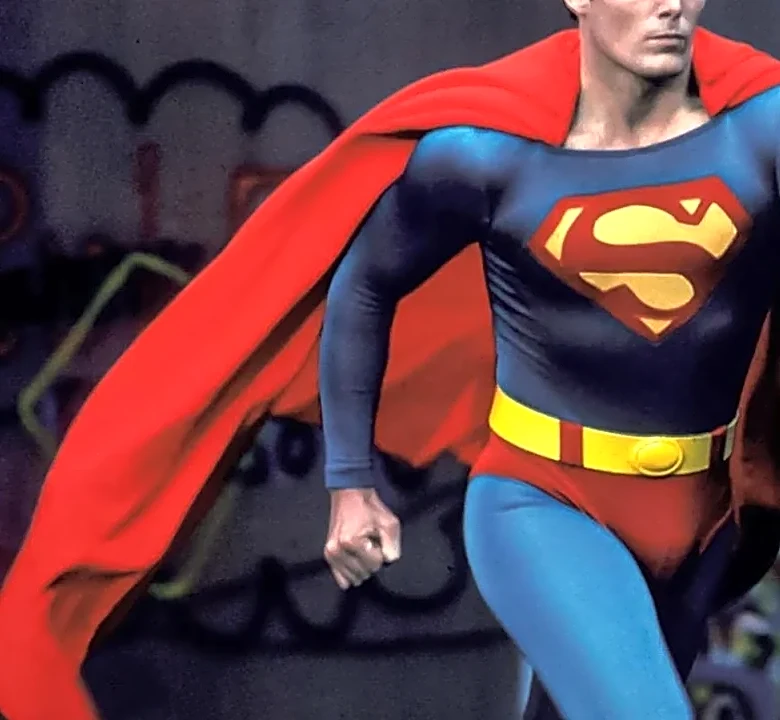
These are often store-bought and designed for a single event, prioritizing convenience and fun over intricate detail. Someone wearing a simple, pre-packaged superhero outfit for a night is wearing a costume. It's about participating in a themed event and enjoying the novelty of looking like a character for a few hours. The commitment is low, the accessibility is high, and the main purpose is celebratory entertainment.
Cosplay: The Art of Embodiment
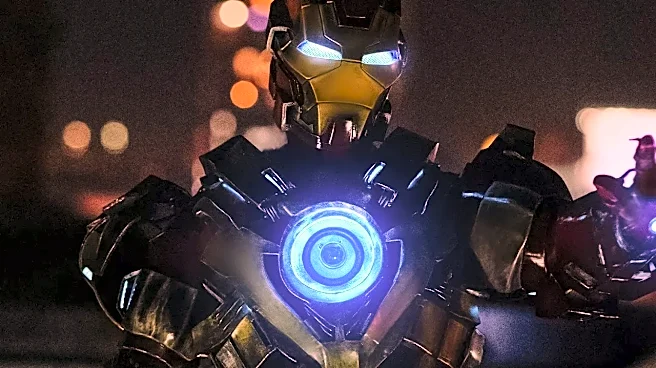
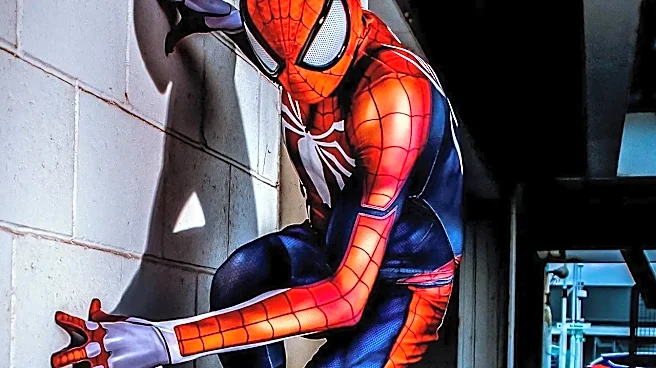
Cosplay, a portmanteau of “costume play,” takes things to another level. It's less about simply wearing an outfit and more about embodying a specific character from a fictional source like anime, video games, or comic books. The focus shifts from mere representation to a passionate expression of fandom through craftsmanship and performance. Many cosplayers spend weeks or even months creating their outfits, striving for a high degree of accuracy. This can involve sewing, prop-making, armor building, and detailed makeup application. Beyond the outfit itself, cosplay often involves acting like the character, adopting their mannerisms and poses, especially at fan conventions where it has become a central part of the culture. It’s a dedicated hobby and a performance art that fosters a strong sense of community among fans.
Fandom Fashion: The Subtle, Everyday Nod
Fandom fashion, also known as casual cosplay or “everyday cosplay,” is the most subtle of the three. It’s a way for fans to incorporate their passions into their daily wardrobe without wearing a full costume. The key is inspiration, not replication. This style uses regular clothes to suggest a character through color palettes, accessories, or specific motifs. A famous example is “Disneybounding,” where someone might evoke Snow White by wearing a blue top, a yellow skirt, and a red headband—an outfit perfectly suitable for work or a trip to the mall. It's a creative way to signal one's fandom to those in the know while remaining discreet. This approach prioritizes personal style and comfort, allowing fans to carry a piece of their favorite worlds with them anywhere, anytime.
Intent Is the Real Difference
Ultimately, the line between these three categories is defined by intent, effort, and context. A costume is for a party; cosplay is for a convention or photoshoot; fandom fashion is for everyday life. While a store-bought costume can be a starting point for a cosplay, the latter implies a deeper level of engagement and personal artistry. Fandom fashion, meanwhile, forgoes accuracy in favor of stylish interpretation. All three are valid and celebratory forms of expression. They each allow people to connect with the characters and stories that inspire them, just in different ways and for different occasions.