







The Danger of a Classic Theme
By 1989, the “Raiders March” was more than just a theme song; it was a cultural phenomenon. As director Steven Spielberg and composer John Williams approached the third installment of the Indiana Jones saga, they faced a unique challenge. It would have
been easy, even expected, to lean heavily on the beloved march to generate excitement. However, both creators felt that overusing the theme would be a mistake, turning it into a narrative crutch that pandered to the audience instead of serving the story. They worried that hitting the “cheap thrill” button too often would diminish its power, and so they made a bold decision to move the franchise's musical identity in a more mature direction.
A Score Built From the Ground Up
Instead of treating “The Last Crusade” as just another sequel, Williams approached it as a fresh start. While lesser composers might have been content to coast on their previous success, Williams set out to give the film its own distinct musical identity. He retained the main theme for key heroic moments but otherwise built an entirely new suite of music. This involved creating a host of new leitmotifs for the story’s unique elements: the religious mystery of the Grail, the return of the Nazis with a new and more robust theme, and the complex relationship at the film’s heart. For the third film in a major franchise, this commitment to originality was a significant creative risk, ensuring the score felt innovative rather than repetitive.
Finding the Soul of the Holy Grail
The most important new piece of music was the theme for the Holy Grail itself. This wasn't just another adventure melody; Williams composed a piece filled with a sense of spiritual grandeur and ancient mystery. The Grail theme, often carried by reverent strings and woodwinds, sounds less like a typical action score and more like something you might hear in a cathedral. It was designed to capture the awe and terror of the Old Testament God in a way that felt distinct from the Ark of the Covenant's theme in “Raiders of the Lost Ark.” This deeply moving and majestic theme gave the film a new layer of emotional and thematic depth that separated it from its predecessors.
The Sound of Bickering and Bonding
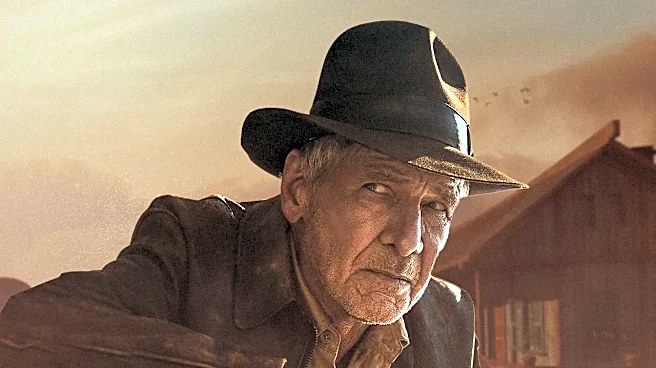
The core of “The Last Crusade” is the father-son dynamic between Indy (Harrison Ford) and Henry Jones, Sr. (Sean Connery). Their relationship—part academic rivalry, part bickering comedy, all underlying love—needed a musical voice. Williams provided it with pieces like the “Scherzo for Motorcycle and Orchestra.” This playful, energetic, and propulsive cue, which underscores their escape from a Nazi-filled castle, is a masterclass in musical storytelling. It’s not just action music; its light, dancing flutes and lively orchestral rhythm capture the chaotic, comedic energy of their adventure. This new tone, reflecting Henry's slightly bumbling academic nature against Indy's all-action heroism, was a sound the series had never explored before.