


Soccer’s Brutal Single-Elimination Math
First, let's compare. In the NBA or MLB playoffs, a seven-game series allows the better team to overcome an off night. A superior roster can lose Game 1 but still comfortably win the series 4-1. Soccer’s knockout stage offers no such safety net. From
the Round of 16 onward, it's one game, winner-take-all. A single unlucky deflection, a controversial refereeing decision, or one moment of individual brilliance from an underdog can send a global powerhouse packing. Think of France, the reigning world champions, getting knocked out of Euro 2020 by Switzerland on penalties. In a seven-game series, France’s superior talent would almost certainly prevail. In a 90-minute (plus extra time) pressure cooker, anything can happen. This format inherently favors variance and creates the conditions for shocking upsets that a longer series would smooth out.
The Low-Scoring 'Problem'
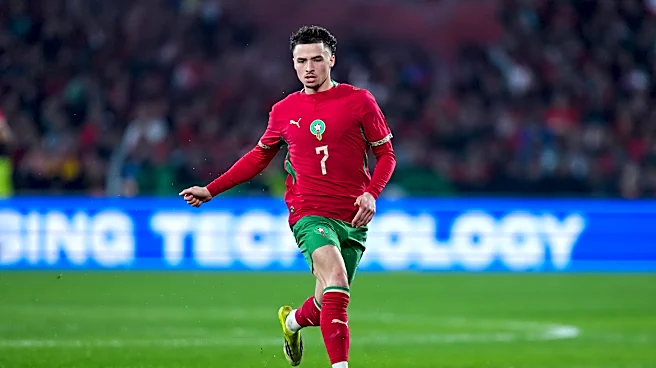
Basketball games have around 100 possessions per team, and NFL games have dozens of plays. These high-sample-size environments mean that luck tends to even out over the course of a single game. The team that plays better usually wins. Soccer is the opposite. A typical match might feature just two or three goals, if that. When so few scoring events determine the outcome, the role of chance skyrockets. A team can dominate possession, outshoot their opponent 25-2, and still lose 1-0 because of a single defensive lapse or a goalkeeper standing on their head. This low-scoring nature makes soccer fundamentally more volatile than most American sports. It’s what makes a giant-killing possible and what makes your chalk bracket so vulnerable. The 2022 World Cup saw Morocco ride a rock-solid defense and timely goals all the way to the semifinals, knocking out giants like Spain and Portugal while scoring very little themselves.
The Group Stage Gauntlet
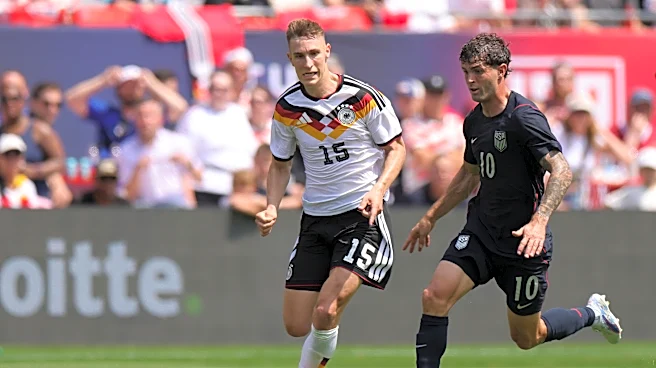
Before a favorite can even dream of the final, they have to survive the group stage. Unlike a simple seeding system, the World Cup and Euros force every team, including the favorites, to navigate a three-game round-robin. One bad result can throw an entire campaign into chaos. A shocking opening-game loss or a couple of uninspired draws can put a team like Germany (in 2018 and 2022) or Argentina (in 2022, though they recovered) on the brink of elimination before the knockouts even begin. This isn't just about losing; it’s about positioning. Finishing second in your group instead of first can mean facing another group winner—a fellow titan—in the Round of 16 instead of a weaker opponent. That’s a bracket-busting outcome that happens long before the final.
The Penalty Shootout Lottery
Imagine the Super Bowl ending in a tie and being decided by a series of field goal kicks from alternating distances. That’s essentially a penalty shootout. After 120 minutes of grueling, tactical soccer, the game's outcome is placed in the hands of a nerve-wracking, high-variance tiebreaker. While there is immense skill involved from both the taker and the goalkeeper, it’s a poor way to determine the “better” team and a fantastic way to produce an upset. Many finals and semifinals have been decided by this method, turning meticulously crafted brackets into confetti. A team can play defensively for two hours, absorb pressure, and take their chances in the shootout lottery. Just ask Croatia, who have built a reputation on their uncanny ability to win knockout games on penalties, often against more fancied opposition.
Global Parity Is on the Rise
Finally, the simple truth is that the rest of the world has caught up. The days when only a handful of nations—Brazil, Germany, Italy, Argentina—could realistically win a World Cup are over. Tactical knowledge, high-level coaching, and player development have spread globally. Now, nations like Croatia, Morocco, Japan, and even the United States have rosters filled with players from Europe's top leagues. They are disciplined, tactically sophisticated, and no longer intimidated by the traditional powerhouses. There are no truly “easy” games in the knockout stage anymore. This rising tide of global talent means the pool of potential winners is deeper than ever, and the probability of a favorite steamrolling their way to the title has dropped significantly.