






The Power of a Single Room
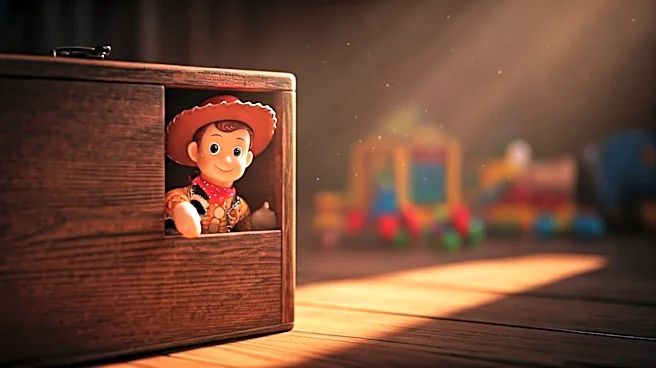
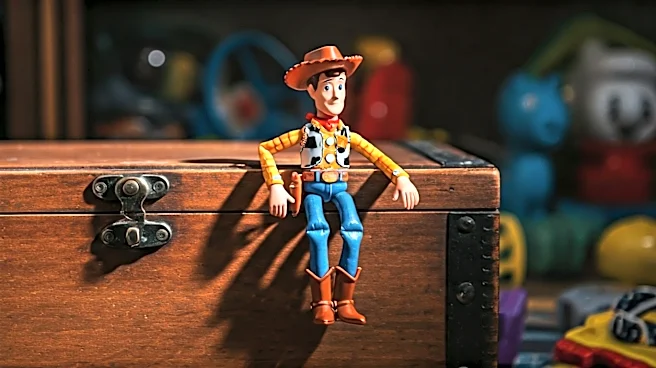
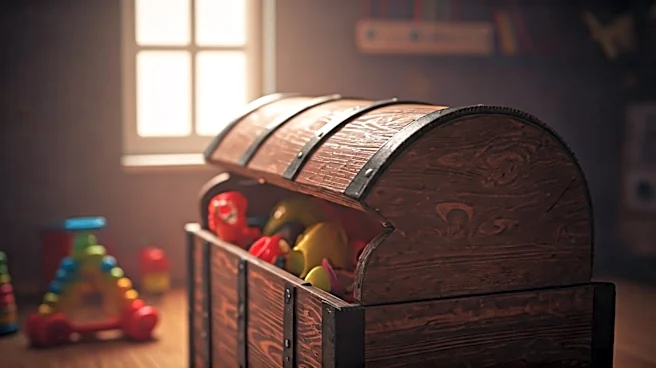
Let’s call it the “Bedroom Rule.” It’s the unofficial creative philosophy that defined 1995’s *Toy Story*. The vast majority of the film’s drama, comedy, and emotional stakes unfold within the four walls of Andy’s bedroom. That room wasn’t just a setting;
it was the entire universe. The toys’ social hierarchy, their deepest fears (being replaced, being forgotten), and their ultimate purpose were all tied to this one, sacred space. This confinement wasn’t a limitation; it was a storytelling superpower. It forced the narrative to be about character, jealousy, friendship, and identity. When Woody and Buzz get lost, the terror isn’t about exploring a big, new world—it’s about the desperation to get back to the *only* world that matters. The stakes felt astronomically high precisely because their world was so small.
The Sequels and the Great Escape
Pixar, understandably, began to break this rule almost immediately. *Toy Story 2* expanded the map to Al’s Toy Barn and a high-rise apartment, but the core emotional story was still about returning to Andy’s room. It masterfully balanced a bigger scope with the original’s intimacy. *Toy Story 3* pushed the concept to its brilliant, terrifying extreme. The Sunnyside Daycare was a perfect allegory for the outside world: a promising new society that reveals itself to be a prison. The incinerator finale was the ultimate expression of the toys’ bond in the face of oblivion. The goal, once again, was getting home. But *Toy Story 4* shattered the rule completely. It was a road trip movie. The antique store and the carnival were vast, sprawling sandboxes filled with new characters and subplots. While visually impressive, it diluted the focus. The core group was separated, the stakes felt fragmented, and the central emotional purpose—serving a single kid—was deliberately dismantled when Woody left the gang. The world became bigger, but the story felt smaller.
Why Toy Story 5 Needs to Go Home
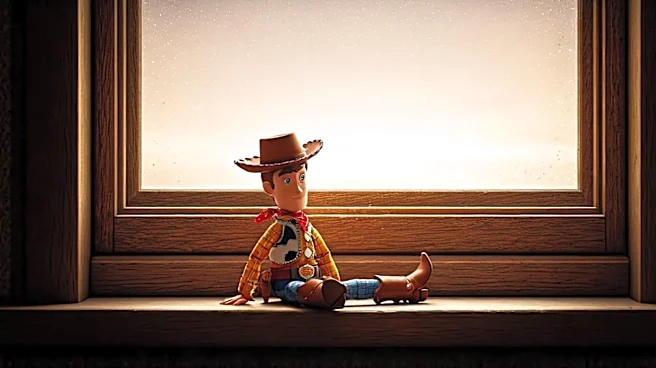
This brings us to *Toy Story 5*. The film faces a unique challenge. Woody is gone, and the remaining toys are with a new kid, Bonnie. The temptation will be to create another grand, cross-country adventure to reunite Woody with the gang. This would be a mistake. The most radical, and most effective, thing *Toy Story 5* could do is stay put. It should re-embrace the Bedroom Rule, but with a twist. The central conflict shouldn’t be about traversing the human world, but about navigating the complex emotional landscape of Bonnie’s room. What is Buzz’s role as the de facto leader? Does Jessie still harbor fears of being abandoned? How do the old toys integrate with Bonnie’s own creations, like Forky? There is a rich, compelling story to be told about this new family forging its identity without its former sheriff. Confining them to one primary location would force the writers to dig deep into these character dynamics, which has always been the franchise’s greatest strength.
A Smaller World, Bigger Stakes
Bringing back the Bedroom Rule isn’t about a lack of imagination; it’s about rediscovering the source of the series' magic. The heart of *Toy Story* was never about the adventure itself, but about the bonds of the family forced to endure it. By making the world small again, *Toy Story 5* can make the characters’ feelings feel huge. Imagine a whole film where the primary drama is Buzz struggling to maintain morale, a new toy challenging his leadership, or the gang having to protect Forky from his own existential crises within the confines of the house. It would be a story about community, legacy, and what it means to be a family after the patriarch has moved on. That’s not a regression; it's a powerful evolution. Instead of asking “how far can they go?”, the more interesting question for *Toy Story 5* is “how deep can they feel when they have nowhere to run?”