




The Spectacle of Tradition
First, let’s be clear: Royal Ascot is not a place for casual dressing. As one of the most prestigious events on the British social calendar, it operates with a famously strict dress code, especially within the Royal Enclosure. Dresses and skirts must
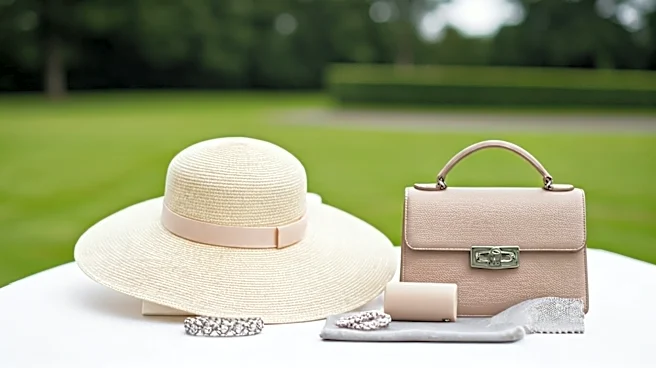
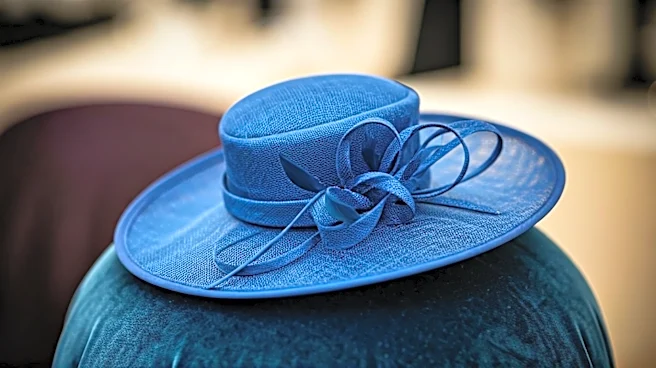
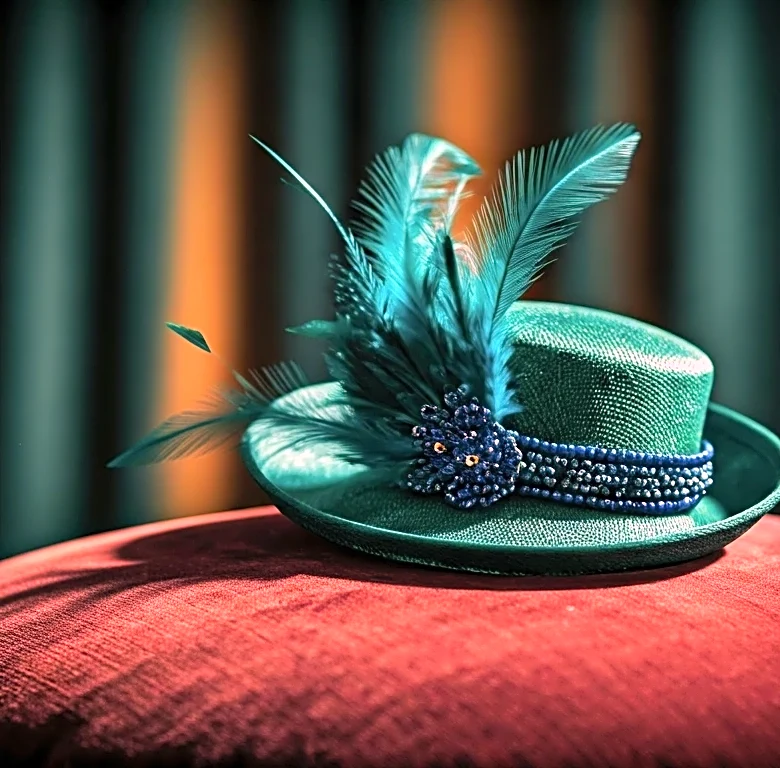
be of “modest length,” falling just above the knee or longer. Straps must be at least one inch wide. And, of course, a hat or substantial headpiece is mandatory. For decades, these rules have encouraged a certain kind of pageantry—a peacock parade of florals, ruffles, and vibrant silks designed to make a statement. The prevailing logic has been “more is more,” with outfits competing for attention in a dazzling display of sartorial creativity. This is the backdrop against which any fashion choice is judged.
The Rise of Quiet Elegance
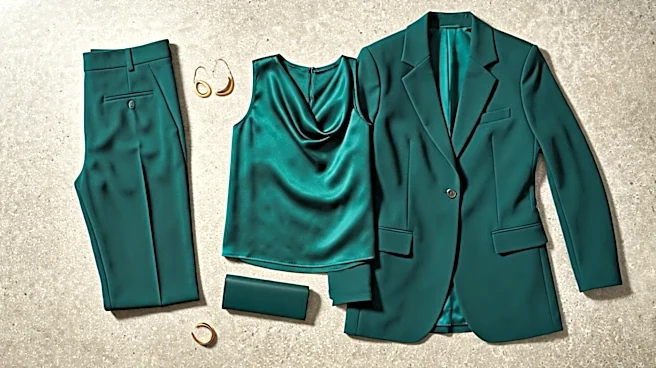
In recent years, however, a powerful counter-current has emerged. Among some of the most photographed women, including senior royals like the Princess of Wales and the Duchess of Edinburgh, a new uniform has taken hold. It’s an aesthetic built on clean lines, sculptural silhouettes, and monochrome palettes. This isn’t about being boring; it’s about projecting a modern, confident elegance that doesn’t need to shout. The challenge, then, is how to look minimalist and modern while still adhering to the formal, structured demands of the Ascot dress code. You can’t just show up in a simple linen sundress. The outfit must have presence and polish. This is where fabric choice becomes everything.
Enter Crepe, The Understated Hero
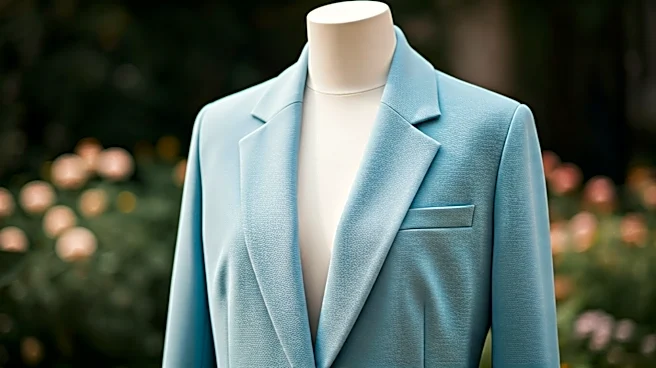
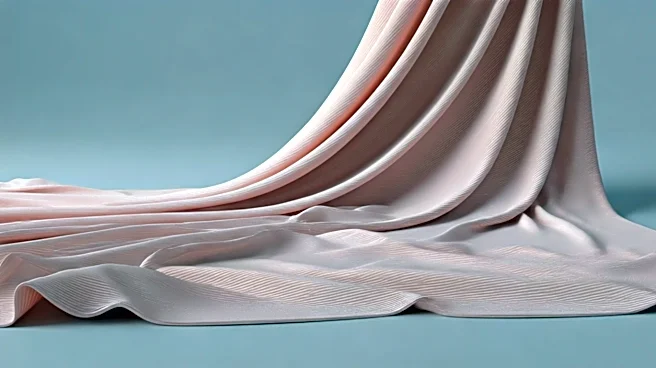
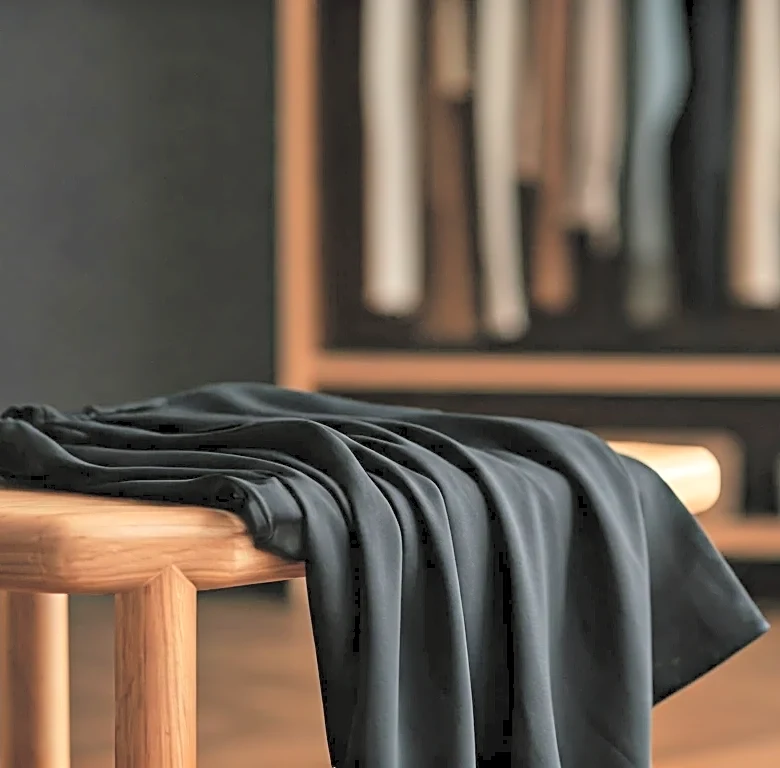
Crepe is the secret weapon for this new guard of Ascot minimalists. Unlike shiny satin, floaty chiffon, or stiff brocade, crepe offers a unique combination of qualities that are perfectly suited to the task. So what is it? Crepe is a fabric characterized by its crisp, crinkled, or pebbly surface. It can be made from silk, wool, or synthetic fibers like polyester. Its distinctive texture comes from a special process of twisting yarns tightly before weaving, which gives the final fabric a fluid, graceful drape that’s almost liquid-like. Crucially, most crepe has a matte finish. It absorbs light rather than reflecting it, giving colors a deep, saturated richness without any distracting sheen. This matte quality is the cornerstone of its sophisticated, low-key appeal. It feels expensive without being flashy.
The Perfect Marriage of Fabric and Form
The magic of crepe is how it solves the minimalist’s Ascot dilemma. It has enough weight and structure to create a sharp, tailored silhouette—think of a perfectly cut sheath dress or a chic midi with a defined waist—that looks formal and intentional. Yet it’s not rigid. The beautiful drape allows the garment to move with the body, creating an elegant fluidity when walking. It telegraphs luxury through its movement and feel, not through overt decoration. For a minimalist, a dress made from high-quality crepe becomes a perfect canvas. It allows a bold, architectural hat or a pair of statement earrings to take center stage without competing. Look at the block-color dresses favored by modern royals; they often rely on crepe to deliver that combination of sharp tailoring and soft movement. The fabric does the hard work, making a simple design look incredibly polished and effortlessly chic.