





The Mistake: Pumping the Wand
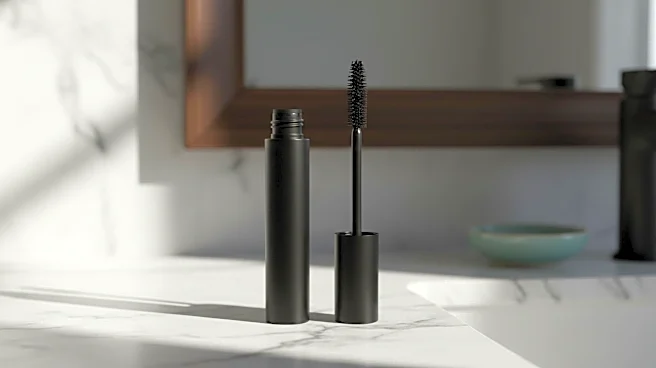
It’s an almost cinematic gesture—the quick, repetitive pumping of the mascara wand in the tube. Many people do it thinking they are loading the brush with more product. In reality, this is one of the fastest ways to ruin your mascara. Pumping the wand forces
air into the tube, which causes the formula to dry out much more quickly. A dry formula leads to flakes, smudges, and clumps. Even worse, it can introduce bacteria into the tube, creating a risk for eye infections. Instead of pumping, gently swirl the wand around inside the tube to pick up an even coat of product. This will preserve the life of your mascara and ensure a smoother application.
The Fix: Wiggle, Don't Just Swipe
A quick, upward swipe might feel efficient, but it often fails to coat lashes from root to tip, leaving the base looking sparse and concentrating product on the ends where it’s most likely to clump. The single best technique, recommended by makeup artists, is the “wiggle.” Start by placing the wand at the very base of your upper lashes, as close to the root as you can get. Gently wiggle the brush back and forth horizontally while pulling it upward toward the tips. This zig-zag motion ensures that every single lash is coated evenly from base to tip, creating the illusion of length and volume without clumping. For a polished look, this also helps darken the very base of your lashes, which can make your lash line appear fuller.
The Mistake: Applying to Wet Layers
In a rush, it’s tempting to apply a second or third coat of mascara immediately after the first. However, applying more mascara to still-wet lashes can cause them to stick together, creating a spidery or clumpy effect. The wet formulas merge into a single, thick layer rather than building upon each other. For a truly buildable, voluminous look, patience is key. Apply your first coat using the wiggle technique, then wait for it to become slightly tacky—not fully dry, but no longer wet. Applying the second coat at this stage allows the new layer to adhere to the first, building thickness and length without creating a messy look. Most experts agree that two or three coats is the maximum before you start seeing diminishing returns.
The Fix: Prepare Your Lashes First
What you do before the wand even touches your lashes can make all the difference. Applying mascara to lashes that have leftover makeup or facial oil on them can lead to smudging and poor adherence. Always start with a clean canvas. Furthermore, if you use an eyelash curler, it is critical to use it before applying mascara, never after. Curling lashes that are already coated with mascara can make them brittle and cause them to break. It can also lead to a crimped, unnatural look. For an extra boost, some makeup artists recommend using a lash primer, which can help enhance both length and volume while giving your mascara something to grip onto.
The Mistake: Neglecting Your Old Mascara
Even with perfect technique, an old, expired tube of mascara will fail you. Mascara has a shorter shelf life than most cosmetics because of its proximity to the eyes and the potential for bacterial growth. You should replace your mascara every three months, maximum. An old formula will be drier, thicker, and far more likely to cause clumping, no matter how skilled your application is. Beyond just poor performance, using expired eye makeup poses a genuine health risk, including irritation, redness, and infections. If you find your mascara is getting clumpy or flaky before the three-month mark, it's a clear sign that it's time for a new tube.