




Selling a Feeling, Not a Story
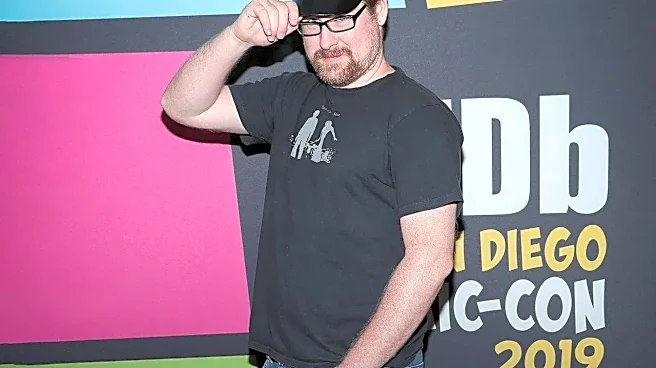
In today’s media landscape, the most common complaint about trailers is that they reveal too much, showing off every major twist and action set piece before audiences even buy a ticket. That’s what makes the plotless Comic-Con teaser so powerful. Instead
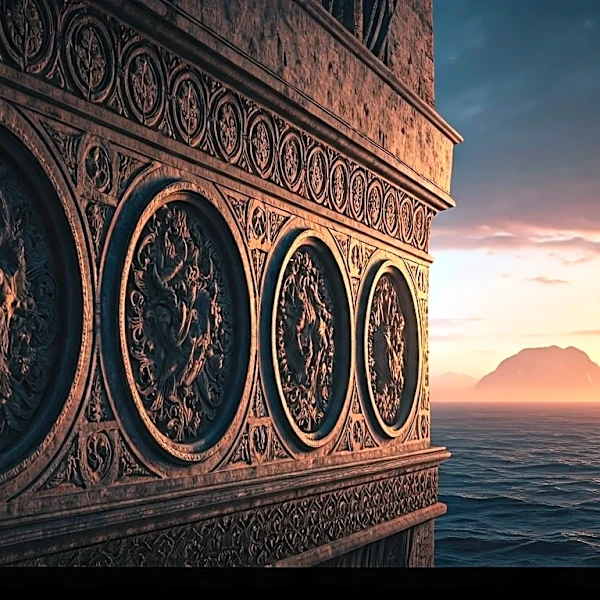
of laying out the narrative, it sells an emotion. This approach, sometimes called a "vibe trailer," prioritizes tone and atmosphere over story beats. Whether it’s the unsettling dread of a horror film or the epic scale of a fantasy adventure, the goal is to establish a distinct feeling. Marketing strategists know that emotion drives memory and engagement. A teaser that evokes a powerful mood—curiosity, excitement, fear—creates a strong connection with the audience long before the film's release. It’s a promise of the experience to come, without giving away the script. This method hooks viewers by making them feel invested in the world itself, not just the sequence of events.
The Information Gap and Fan Engagement
The plotless teaser is an expert exercise in psychological marketing. It leverages a cognitive principle known as the "information gap theory,” where curiosity is sparked by the space between what we know and what we want to know. By presenting intriguing visuals without context—a mysterious symbol, a character looking toward an unseen threat, a city folding in on itself—studios invite the audience to fill in the blanks. This transforms passive viewers into active participants. Fans immediately flock to social media to speculate, build theories, and debate the meaning of every frame. This organic, user-generated buzz is far more valuable than a simple ad campaign. A teaser that trusts the audience to engage with mystery respects their intelligence and fosters a sense of community around the film. It turns the marketing process into a game that everyone can play, building anticipation month after month.
Managing Expectations and Avoiding Backlash
Showing too much too soon is a risky game. Early trailers often feature unfinished visual effects, which can become the subject of online ridicule. Furthermore, revealing key plot points can lead to disappointment if the final film doesn’t match the expectations set by a misleading trailer. A vague teaser sidesteps these problems entirely. It acts as a shield, protecting the film from premature judgment while still generating hype. Classic examples prove the power of this minimalist approach. The original teaser for Stanley Kubrick's The Shining famously consisted of a single, unsettling shot of blood pouring from an elevator. It revealed nothing about the characters or story but perfectly communicated the film's bone-chilling horror. Similarly, the first teaser for Cloverfield was attached to a summer blockbuster with no title and showed a monster attack from a found-footage perspective, creating a massive mystery that fueled online investigation for months.
The Modern Masters of Mystery
This tradition is alive and well. Christopher Nolan is a master of the plotless tease, using trailers for films like Inception to establish mind-bending visuals and a unique sonic identity (the iconic "BRAAAM" sound) without explaining the dream-heist mechanics. The first teaser for The Batman leaned heavily on atmosphere, showcasing a dark, brutal vision of Gotham set to a haunting score, giving away almost none of the detective story at its core. Even the trailer for Parasite was famously cryptic, hinting at a tense class-based thriller without revealing any of its shocking third-act twists. These trailers don't just advertise a movie; they establish it as a must-see cultural event. They understand that the most powerful marketing tool isn't a spoiler, but a question. By refusing to show everything, they create a void that audiences are desperate to fill, ensuring the film remains part of the cultural conversation all the way to its premiere.