






The Slow Burn of Anticipation
The summer movie experience begins months before you buy a ticket. It starts with a perfectly cut trailer that drops in the middle of winter, offering a two-minute promise of sun-drenched explosions and epic adventure. Hollywood's marketing machine is an expert
in the art of anticipation. Through a carefully orchestrated series of teasers, posters, and talk show appearances, studios build a slow-burning fire of excitement. This process taps into a fundamental aspect of human psychology: we crave what we can't have immediately. That release date becomes a landmark on the calendar, a future event to organize plans around with friends and family. This shared anticipation transforms a simple movie release into a cultural event. It’s the modern equivalent of gathering around a campfire to hear a great story, except the campfire is a global marketing campaign and the story costs $300 million to produce. When a film like “Jaws” essentially invented the summer blockbuster in 1975, it did so with an unprecedented television advertising push that made seeing it feel essential. That principle holds true today; the buzz creates a sense of community before anyone has even seen the film.
The Glorious Blast of Cold Air
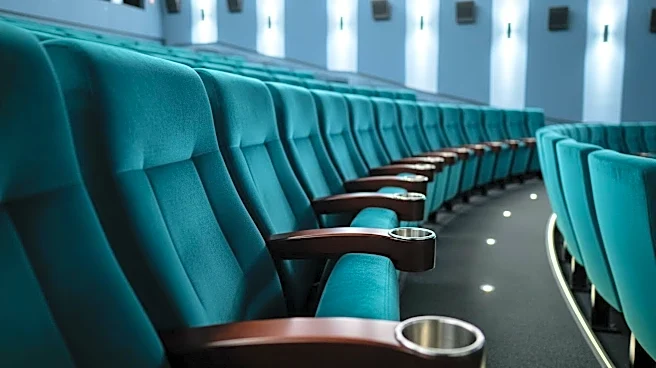
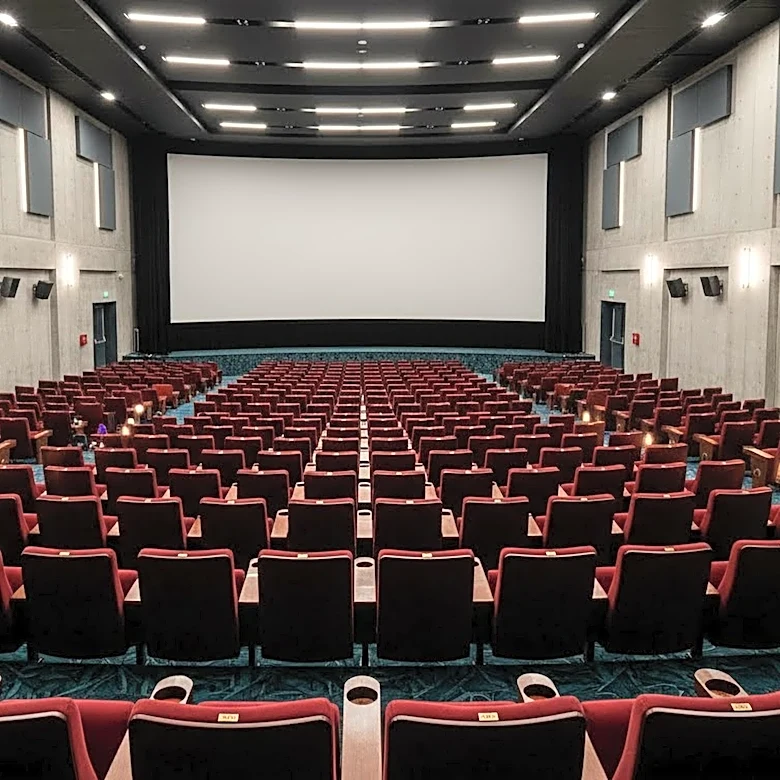
Let’s be honest: one of the main characters of the summer movie experience is the air-conditioning. On a sweltering August afternoon, the act of walking into a theater lobby and being hit by that arctic blast is a pleasure so profound it borders on spiritual. This is no accident. In the early days of cinema, air-conditioning wasn't just a comfort; it was a primary attraction. Before AC was common in homes, theaters advertised their “refrigerated air” to lure audiences out of the oppressive summer heat, a strategy that helped give birth to the summer movie season itself. That legacy continues in the aggressively chilly temperatures of modern multiplexes. Theaters are cooled to account for the body heat of a full house, meaning a sparse weekday matinee can feel like a walk-in freezer. Projectors and other equipment also generate immense heat that needs to be counteracted. But the effect is more than just practical. The cold, dark room is a physical transition, a sensory palate cleanser that separates you from the bright, hot, and noisy world outside. It’s a literal and metaphorical chill that primes you to be completely absorbed by the screen. That shiver you feel isn’t just from the vent overhead; it’s part of the ritual.
The Immersive Power of Escapism
Once the lights go down, the final ingredient takes over: pure, unadulterated escapism. Summer blockbusters are engineered for this purpose. They are built to be overwhelming, immersive experiences that command your full attention. The plots are often high-concept and straightforward, the heroes and villains clearly defined, and the spectacle designed to be as large and loud as possible. In that dark, cool room, the mundane worries of summer jobs, bills, and real-world anxieties dissolve in the face of alien invasions, globe-trotting spy missions, or perfectly choreographed musical numbers. The cinema becomes a sanctuary where for two hours, the only thing that matters is the world on the screen. This desire for an escape is a powerful driver for summer entertainment choices. It’s a shared dream, experienced in a room full of strangers, that offers a temporary reprieve from reality. More than just watching a story, it’s about participating in a collective experience that extends beyond the theater through discussion, debate, and fandom. This is why the summer movie feels different—it’s not just something you watch, but somewhere you go.