




The Idea and the Prototype
Every runway look begins not with fabric, but with an idea. It starts as a sketch in a designer’s notebook, a swatch of compelling textile, or a collection of images on a mood board. This initial vision is then translated into a physical form, but it’s
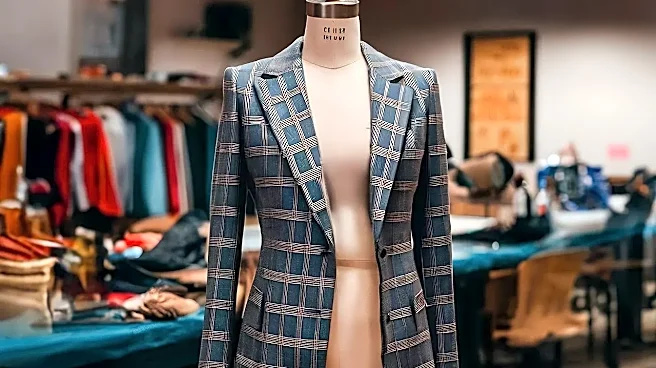
far from the finished product. This first version, known as a prototype or fit sample, is like a first draft. It might be draped and pinned directly onto a mannequin to find the initial shape or constructed from a preliminary pattern by a skilled pattern maker. Often made from less expensive muslin fabric, this initial garment exists to test the silhouette, structure, and basic concept. It’s a three-dimensional sketch, functional but flawed, holding the promise of what’s to come but lacking any of the final polish. At this stage, the garment has a shape, but it doesn't yet have a soul.
The Reality Check of the Fitting
The first fitting is where the designer’s dream confronts reality. It’s a crucial rehearsal where the prototype is tried on by a fit model, whose specific measurements represent the designer's target proportions. In the room are the designer, a stylist, and a seamstress armed with pins and chalk. This is the moment they discover what works and, more importantly, what doesn’t. Does the fabric move as expected? Does the neckline sit correctly? Can the model actually walk in it? The fit model provides crucial feedback on comfort and movement, helping the team identify issues that aren't visible on a static mannequin. The designer and stylist assess the overall look, deciding if the proportions flatter the body and align with the collection’s narrative. Countless photos are taken from every angle, documenting every pull, pucker, and drape for the next phase: deconstruction and reconstruction.
The Art of Radical Alteration
Following the fitting, the garment is transformed through a series of alterations that go far beyond simple hemming. This is where the true artistry of the atelier shines. A seamstress might take the garment apart completely to address feedback. A shoulder line that looked right on paper might be too severe on a real person and needs to be softened. The waist could be raised, a sleeve reshaped, or darts added to create a more defined silhouette. Sometimes the changes are radical; a dress might lose its sleeves, a long skirt might become a mini, or a simple neckline could be recut into a dramatic plunge. Each pin placed during the fitting becomes a directive for change. This iterative process of fitting and altering can happen multiple times, with each session refining the garment, inching it closer to the perfect expression of the original vision. It is a meticulous, hands-on process that balances aesthetics with wearability.
Backstage Chaos and Final Polish
The days and hours before a show are often described as “organized chaos.” Even with weeks of preparation, final fittings happen backstage, where last-minute adjustments are made on the show models. A hem might be taped up moments before a model walks, or a seam quickly tacked to prevent a wardrobe malfunction. Here, the stylist’s role becomes central. They assemble the complete look, pairing the now-perfected garment with specific shoes, jewelry, and accessories to tell a cohesive story. They create a reference photo for each look that backstage dressers use to get models changed in as little as 60 seconds. Even in the final seconds before hitting the runway, the creative director might make a spontaneous decision—unbuttoning a cuff, popping a collar, or tucking in a shirt differently. This final touch is the last step in a long, arduous journey from a simple idea to a piece of wearable art.