








Check the Director's Chair
Who is steering the ship? A “prestige” picture often boasts a director known for complex, character-driven dramas or critically acclaimed historical epics. Think Steven Spielberg handling 'Lincoln' versus Michael Bay doing, well, anything with explosions.
If the director’s filmography is packed with awards-season favorites and thoughtful biopics, you're likely in prestige territory. If their resume is a highlight reel of blockbuster action and special effects, prepare for a more straightforward, crowd-pleasing affair that likely prioritizes spectacle over historical nuance.
Analyze the Casting Call
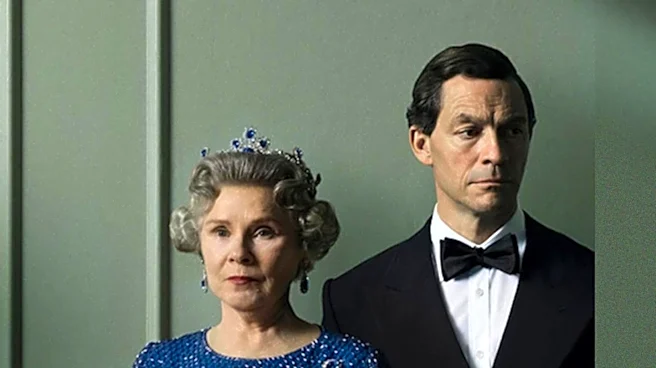
Prestigious historical films are magnets for actors seeking to transform themselves. Look for a cast filled with Oscar winners and nominees known for disappearing into roles, or revered character actors. This signals an investment in performance as the main draw. On the other hand, “patriotic cheese” often leans on stars known for their wholesome, all-American image or their action-hero persona. The casting isn't about challenging the audience's perception of the actor; it's about reinforcing a comforting, heroic archetype.
Listen to the Trailer's Music
The movie trailer is a two-minute mission statement. A prestige film will often use a somber, minimalist score—think mournful cellos or a haunting solo piano—to suggest moral complexity and emotional weight. Dialogue will be cryptic and philosophical. The “patriotic cheese” trailer is easier to spot: it will almost certainly feature a swelling, triumphant orchestral score that builds to a cymbal-crashing crescendo. Taglines will be unambiguous and inspiring, celebrating heroism and national pride, often ending with a dramatic shot of a waving flag.
Examine the Source Material
Many films hoping for awards season glory, often called "Oscar bait," are adapted from Pulitzer Prize-winning biographies or dense, celebrated works of historical nonfiction. This pre-existing literary pedigree signals a commitment to serious subject matter. Conversely, films that are more concerned with broad patriotic appeal often come from "original" screenplays that take significant liberties with history. These stories aren't bound by inconvenient facts, freeing them to create a more streamlined, mythic, and often less complicated narrative about American heroes.
Gauge the Moral Complexity
The truest sign of a prestige historical film is its willingness to embrace ambiguity. These movies explore the flaws of their heroes and the contradictions of the past. The narrative won't shy away from the messy, uncomfortable truths of history. Patriotic cheese, by contrast, paints in bold primary colors. Good guys are unequivocally good, bad guys are pure evil, and the founding principles of the nation are presented as simple and flawless. The goal isn't to make you think; it's to make you cheer.
Read the Marketing Language
Pay attention to the words the studio uses to sell the film. Prestige films are often described with terms like “unflinching,” “revelatory,” “complex,” and “the untold story.” This language promises a sophisticated, perhaps challenging, viewing experience. The marketing for patriotic cheese uses a different vocabulary: “inspiring,” “triumphant,” “courageous,” and “the story that made us who we are.” It’s selling a feeling of shared pride and uncomplicated heroism, designed for maximum emotional impact and minimal intellectual debate.