


The Ghost of Launch Night Past
For decades, the fall television season was a U.S. institution. It operated with the predictability of the school year it coincided with. Come mid-September, the major broadcast networks—ABC, CBS, NBC, and Fox—would unleash their entire slate of new and returning
shows in a single, hyper-concentrated week. It was a shared cultural experience, promoted by glossy magazine spreads and special preview shows. The logic was simple: capture viewer attention as summer ended and establish new viewing habits for the year. This model, known as "launch night" or "premiere week," treated all shows as part of a single, massive marketing push. It was an era of appointment viewing, where missing a premiere meant you were out of the loop at the office watercooler the next day.
The Great Unbundling of the Calendar
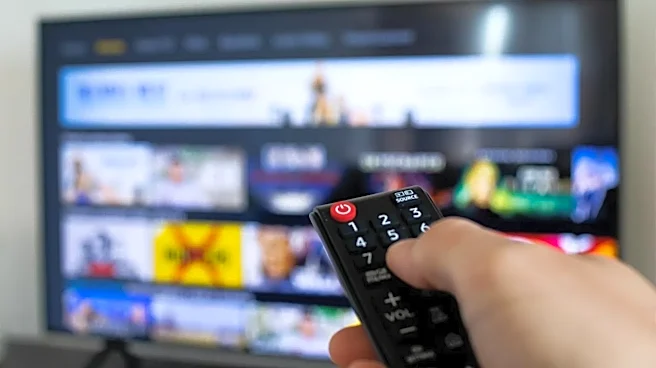
That monolithic model has shattered. The first cracks appeared with DVRs, which freed viewers from the tyranny of the schedule. But the true earthquake was streaming. Platforms like Netflix, and later Max, Disney+, and Amazon Prime Video, operate on a global, 24/7/365 calendar. They have no incentive to hold a blockbuster series for a specific week in September. Audience attention is now fragmented across countless apps, social media feeds, and FAST channels. Trying to launch 15 new shows in one week today is no longer a show of force; it's a recipe for getting lost in the noise. The very idea of a unified "season" has become disconnected from how people actually consume media in a world of on-demand access and binge-watching.
Enter the Eventized Premiere
In place of the old launch week, the industry has pivoted to a new strategy: the "eventized" premiere. The goal is no longer just to launch a show but to turn its debut into a standalone cultural phenomenon that dominates the conversation. Think less of a premiere night and more of a premiere month. This involves creating spectacles around a single title. Examples include the global marketing campaigns for shows like HBO's House of the Dragon or Amazon's Fallout, which featured immersive fan experiences, high-profile brand partnerships, and carefully orchestrated social media blitzes designed to build overwhelming anticipation. Even traditional networks are adopting this, with FOX announcing its 2026 slates as being "anchored by eventized storytelling." It's about making a show feel like a can't-miss movie blockbuster, regardless of when it airs.
Why a Spectacle Beats a Schedule
From a business perspective, this shift is a strategic necessity. Instead of diluting marketing dollars across an entire fall lineup, a network or streamer can concentrate its budget on a handful of high-priority shows, ensuring each one has a chance to break through. An eventized launch allows a property to own a news cycle, generating the organic social media buzz that is far more valuable than any 30-second ad spot. It creates a sense of scarcity and urgency in an on-demand world, urging viewers to watch immediately to be part of the conversation and avoid spoilers. This approach also serves to define a platform's brand. By creating a massive event around a show like The Bear or The Boys, the streaming service signals the level of quality and cultural importance it wants to be known for, helping it stand out in a saturated market.