


The Crucial First Impression
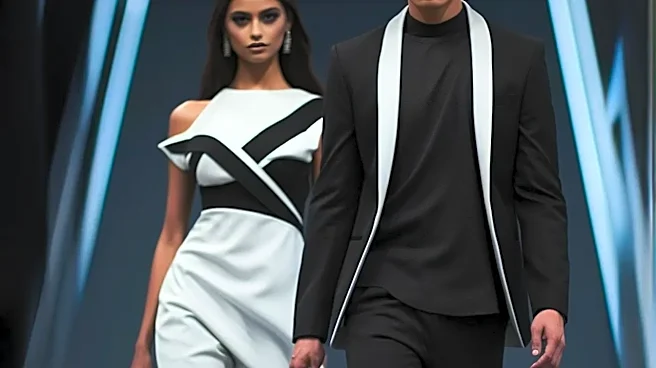
The first look to grace the runway is the show’s opening line. It’s not just another outfit; it’s the thesis statement. This initial piece has the monumental task of setting the entire tone and encapsulating the collection's core theme in a single, powerful
statement. Whether it’s a sharply tailored coat signaling a return to structure or a flowing, ethereal dress hinting at romanticism, this look is the designer’s first and most direct communication with the audience. It’s the visual anchor that all subsequent looks will be compared against. Getting it right means capturing the audience's attention immediately, establishing the world the designer has built for the next 15 minutes, and providing a clear lens through which to interpret everything that follows. For the model wearing it, opening a major show is a significant career milestone, signifying they are a 'face' of that season.
Crafting the Narrative Arc
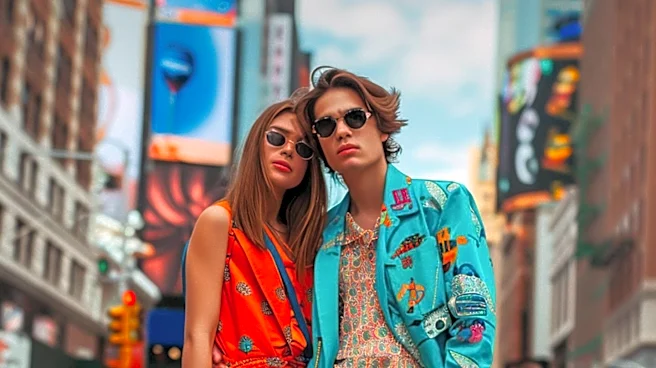
A fashion show is not just a sequence; it's a story with a beginning, middle, and end. After the opening statement, the designer and stylist act as directors, guiding the audience through a carefully paced narrative. The collection is often arranged into thematic groups—a section of monochromatic looks might give way to a burst of vibrant prints, or a series of daytime ensembles might gradually transition into eveningwear. This progression isn't random. It’s designed to create a flow, build momentum, and showcase the collection's versatility. Think of it like a well-curated album: some tracks are upbeat, others are ballads, but they all contribute to a cohesive whole. This middle section is where the designer develops their themes, introduces new silhouettes and ideas, and demonstrates the breadth of their vision. The goal is to take the audience on a journey, not just show them clothes.
The Art of the 'Palate Cleanser'
Within the narrative flow, a savvy designer knows when to give the audience a moment to breathe. A runway filled with nothing but high-drama, complex looks can be overwhelming. This is where the "palate cleanser" comes in. These are often simpler, more minimal outfits strategically placed between more elaborate sections of the show. A clean, monochromatic dress after a series of riotous prints, or a simple knit-and-trousers combination after heavily embellished gowns, allows the viewer's eye to reset. It prevents visual fatigue and, through contrast, can make the more theatrical pieces that bookend it appear even more impactful. These moments of quiet are crucial for pacing and help the audience better appreciate the craftsmanship and detail of the entire collection without feeling visually overloaded.
Placing the Commercial Hits
While runway shows are a form of artistic expression, they are also a critical business tool. The clothes are, after all, meant to be sold. The most commercially viable pieces—the wearable blazers, the must-have bags, the jeans with the perfect cut—are often strategically placed in the middle of the show. Why not at the beginning or end? The opening and closing are for making a statement. The middle is where retail buyers, editors, and clients are paying close attention, clipboard in hand, making notes on what to order for their stores or their own closets. By embedding these commercial powerhouses within the main body of the show, designers ensure they get seen and registered by the people whose job it is to translate runway fantasy into retail reality. It's a subtle but crucial balancing act between art and commerce.
The Unforgettable Final Look
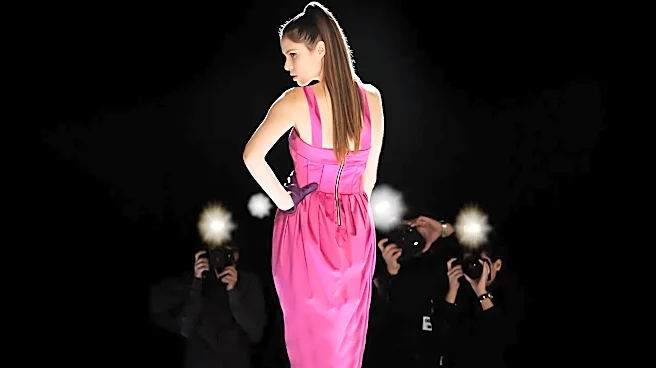
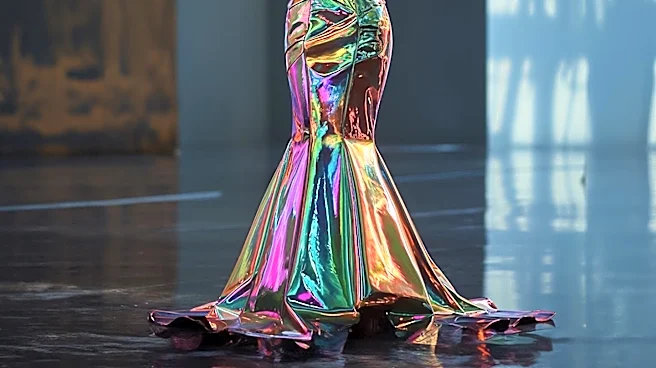
If the first look is the thesis, the final look is the conclusion. It’s the last word, the lasting impression, and often the most dramatic or elaborate piece in the entire collection. Traditionally, this might be a breathtaking evening gown or a bridal look, but it can be any garment that serves as the ultimate exclamation point. The closing look is designed to be the show's most memorable moment—the one that will be all over Instagram feeds and in the pages of magazines. It summarizes the collection's story and leaves the audience with a powerful final image as the designer takes their bow. Choosing a major model or even a celebrity to wear this final outfit further amplifies its importance, ensuring the show ends on a high note that resonates long after the lights go up.