




The Last Ride of Cristiano Ronaldo
Let’s start with the five-ton elephant in the room: Cristiano Ronaldo. At 39, the global icon is almost certainly playing in his final major international tournament. This isn't just another competition for him; it's his last chance to hoist a major trophy
for his country on the world stage, cementing a legacy that already borders on mythical. Every pass, every shot, every moment he’s on the field will be framed by this narrative. For his teammates, there's an unspoken pressure to deliver a storybook ending for the man who put modern Portuguese soccer on the map. For the nation, it’s a final opportunity to see their greatest-ever hero triumph in the famous red and green. This creates a powerful, emotional gravity that pulls the entire team into its orbit. It’s no longer just about winning a tournament; it’s about winning it *for him*.
A Roster Embarrassingly Rich with Talent
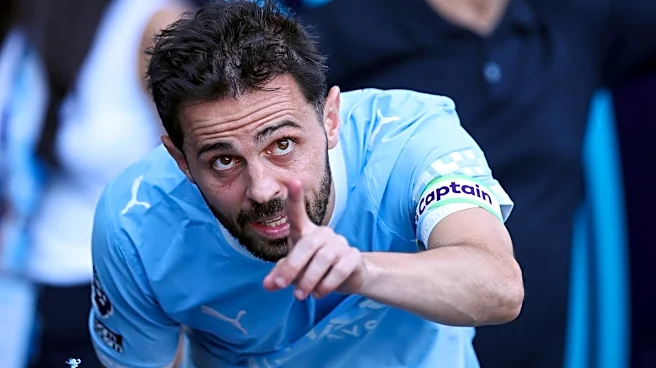
Unlike the Portugal teams of the 2000s that relied almost solely on Ronaldo’s magic, this squad is overflowing with world-class talent at every position. We're talking about a roster that forces a manager to leave elite players on the bench. In the midfield, they have Manchester United’s captain Bruno Fernandes and Manchester City’s creative engine Bernardo Silva—two of the best playmakers in the English Premier League. In defense, they have Rúben Dias, the anchor of that same dominant Man City side. Up front, the options are absurd: AC Milan’s explosive winger Rafael Leão, Liverpool's versatile Diogo Jota, and Atlético Madrid's João Félix. This isn't a team with one star and a solid supporting cast. This is an all-star team. When you have this much firepower, the “plucky underdog” narrative evaporates. You’re no longer hoping to cause an upset; you’re expected to dominate.
The Paradox of a Perfect Qualification
Under new coach Roberto Martínez, Portugal didn't just qualify for Euro 2024; they laid waste to their group. They played ten games, won ten games, scored 36 goals, and conceded only two. On paper, it was the most dominant qualifying campaign of any team in Europe. While this demonstrates their incredible potential, it also creates a dangerous precedent. Perfection in qualifying sets an impossibly high bar for the tournament itself, where one bad bounce or a single defensive lapse can send you home. The team has proven it can dismantle weaker opposition with ease, but tournament soccer is a different beast. It’s cagey, defensive, and decided by moments of high-pressure execution. The flawless record has transformed public confidence into a near-certainty of success, leaving no room for the gritty, imperfect wins that are often required to navigate a knockout bracket.
Martínez’s Billion-Dollar Puzzle
Having a roster this deep is a good problem to have, but it’s a problem nonetheless. The single biggest question facing Roberto Martínez is a tactical one: how do you get all these stars to play together? The primary dilemma revolves around Ronaldo. His goal-scoring prowess is undeniable, even in the Saudi league, but he doesn't press defenders with the same intensity as a younger forward. Starting him may require sacrificing some defensive structure or benching a more dynamic attacker like Gonçalo Ramos. How does Martínez balance the creative instincts of Fernandes, Silva, and Leão without leaving the midfield exposed? In the 2022 World Cup, former coach Fernando Santos benched Ronaldo in a move that ultimately backfired in a shocking quarter-final loss to Morocco. Martínez has, so far, kept Ronaldo central to his plans. But finding a system that maximizes individual brilliance without sacrificing team cohesion is the puzzle that will define Portugal’s fate—and the pressure to get it right is immense.