




The Skirt Making a Statement
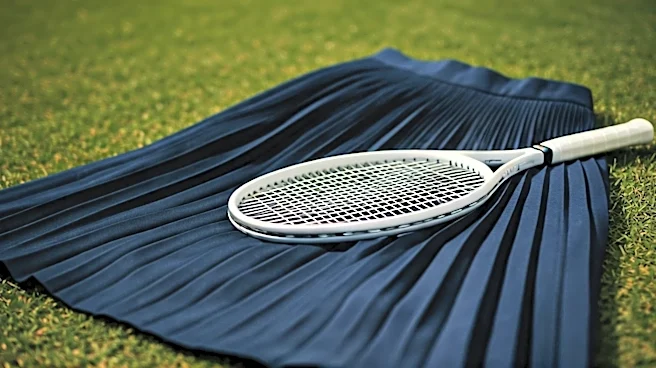
In a tournament defined by its strict all-white dress code, silhouette is everything. Venus Williams knows this better than anyone. For Wimbledon 2026, she has embraced a look that is both a departure and a deep historical dive: the box-pleat midi skirt.
Falling well below the knee, this silhouette contrasts sharply with the shorter, more aerodynamic styles that have dominated women's tennis for decades. Instead of prioritizing pure, modern performance aesthetics, this choice is a deliberate act of storytelling. The longer hemline and structured pleats create a graceful, flowing movement on the court, trading the overt athleticism of a mini for a more classical elegance that feels fresh and unexpected in the current landscape of professional sportswear.
From the Archives of Tennis Style
This look wasn't pulled from a vacuum; it’s a direct conversation with the ghosts of Wimbledon past. The most powerful reference is to Suzanne Lenglen, the French prodigy who scandalized the tournament in the 1920s. Lenglen was revolutionary, abandoning restrictive corsets and ankle-length dresses for knee-length pleated skirts, sleeveless tops, and her signature bandeau. Her outfits, designed with couturier Jean Patou, prioritized freedom of movement and introduced a sense of style to the court that was previously unimaginable. Williams' midi skirt also evokes the 1950s, an era when cinched waists and fuller pleated skirts brought a post-war femininity to the game, worn by stars like Althea Gibson. It’s a curated nod to the decades when tennis fashion was finding its identity.
The 'Mood Board' Becomes Reality
The term "mood board" perfectly captures the blend of inspirations at play. Williams, who has a degree in fashion design and heads her own successful apparel line, EleVen, is known for her scholarly approach to style. This skirt isn’t just a retro piece; it's a reinterpretation. By bringing the midi length into the high-performance context of 21st-century tennis, she reframes it. It’s no longer a relic of a more restrictive time but a powerful choice signifying grace, confidence, and a deep appreciation for the sport’s heritage. It also subtly challenges the idea that on-court fashion must always trend shorter and tighter. This act of looking back is a forward-thinking statement about what athletic wear can be: both functional and historically literate.
A Legacy of Pushing Boundaries
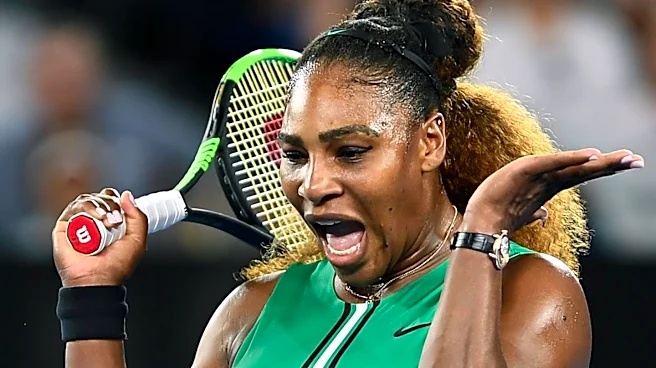
This moment is classic Venus. Throughout their careers, both she and her sister Serena have used the tennis court as a runway to express identity and challenge convention. From the controversial lace and lingerie-inspired outfits of the 2010s to this recent embrace of historical elegance, Venus has consistently pushed against the sport's conservative norms. Her brand, EleVen, was founded on the principle of merging fashion-forward design with high performance. By referencing figures like Lenglen, who was the first true tennis fashion icon, Williams aligns herself with a lineage of trailblazers. She isn't just wearing a skirt; she's continuing a century-long conversation about freedom, style, and identity in women's sports.