



The Real Issue: It’s All About Visual Weight
The single biggest mistake in outfit composition is ignoring the principle of 'visual weight'. This concept refers to how much a garment commands the eye, which is determined by its volume, texture, color, and pattern. An outfit feels 'off' when the visual weight is poorly
distributed, making the overall silhouette feel unbalanced. Think of it like this: a chunky, oversized knit sweater has a lot of visual weight, while a simple silk camisole has very little. The key to a polished look is ensuring one part of your outfit doesn't completely overpower the other. It’s not about following strict rules but about creating harmony. By consciously balancing these heavier and lighter elements, you guide the eye and create a more intentional, cohesive look.
The 'Big on Top, Big on Bottom' Trap
One of the most frequent balance mistakes is pairing two voluminous pieces together. Think of a slouchy, oversized sweater combined with baggy, wide-leg trousers. While both pieces might be stylish on their own, wearing them together can create a shapeless silhouette that overwhelms your frame. The solution is to pick one area to feature volume and keep the other streamlined. If you're wearing a bulky top, pair it with something more fitted on the bottom, like slim-fit jeans, a pencil skirt, or leggings. This contrast creates structure and prevents your clothes from wearing you, ensuring your natural shape isn't lost in a sea of fabric.
Flipping the Script: When Everything Is Too Fitted
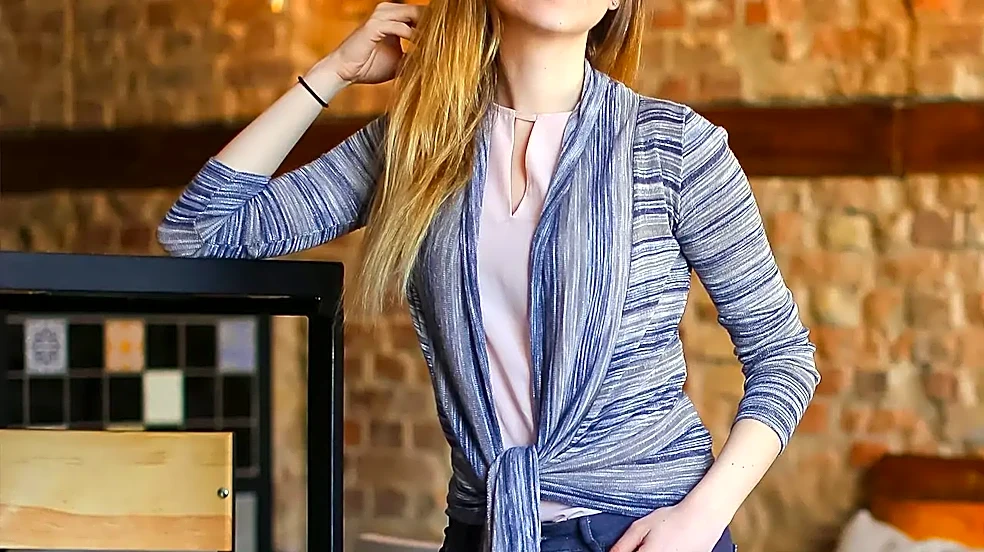
On the other end of the spectrum is wearing an outfit that is tight from head to toe. While form-fitting clothes can certainly be flattering, a completely skin-tight ensemble can sometimes lack dimension and sophistication. It can feel less like a styled 'outfit' and more like a second skin, leaving little to the imagination. To fix this, introduce a piece with a bit more softness or structure. For instance, if you're wearing a fitted top with skinny jeans, try adding a relaxed blazer, a longline cardigan, or even an unbuttoned shirt. This 'third piece' adds a layer of interest and movement, instantly making the outfit feel more balanced and complete without sacrificing the sleek silhouette.
Redefining Your Shape with the Rule of Thirds
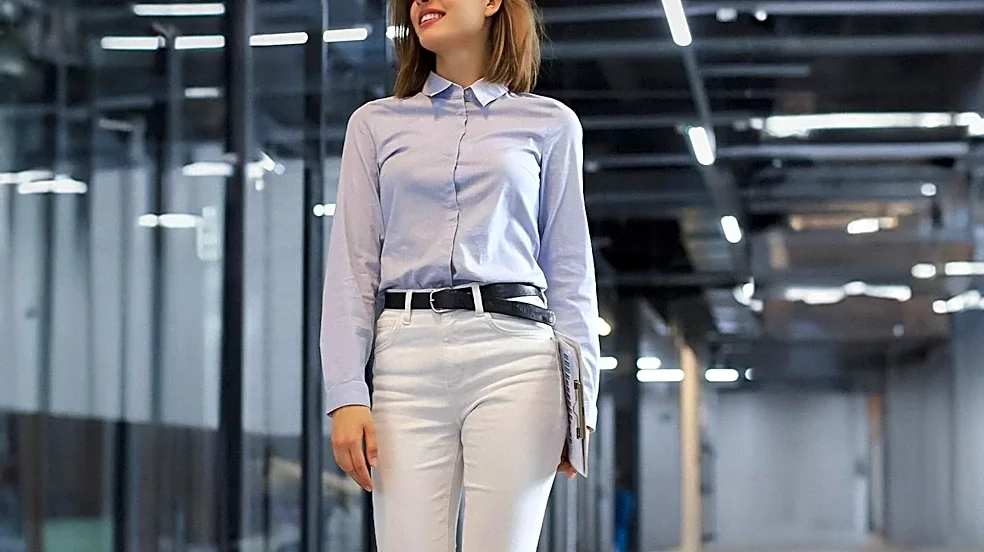
Often, an outfit feels unbalanced because it visually cuts your body in half. A top that ends right at the same line as the waistband of a mid-rise pant creates a 1:1 proportion that can make you look boxy. A more aesthetically pleasing approach is the 'rule of thirds', a design principle borrowed from art. Aim to have your outfit break at a 1/3 to 2/3 ratio. The easiest way to achieve this is by tucking in your shirt. A full tuck or a casual 'French tuck' into high-waisted pants instantly raises the waistline, creating a flattering 1/3 top and 2/3 bottom proportion that elongates the legs. Alternatively, a longer top or jacket that hits around the knee over slimmer pants creates a 2/3 top and 1/3 bottom look.
Don't Forget the Details: Footwear and Accessories
Balance isn't just about your clothes; it extends to your accessories and shoes. A heavy, chunky boot can help ground a voluminous sweater, creating harmony between the top and bottom. Conversely, wearing a delicate, strappy sandal with that same sweater might feel disproportionate. Think about where you want to draw attention. If your outfit is simple, a statement necklace or bold earrings can create a focal point on your upper body. But if you're already wearing a patterned top, stick to minimal jewelry to avoid creating competing focal points. The goal is to ensure every element, from your coat to your shoes, works together to create a single, harmonious visual statement.