
More Than Just Threads
A superhero costume is never just a costume. It's a statement of intent, a visual promise to the audience. Is it gritty and battle-damaged, or clean and classic? Is it faithful to the comics, or a radical
reinvention? These details are a studio's first, and perhaps most crucial, piece of marketing. A single, perfectly crafted image can quiet months of skeptical casting chatter, clarify a director's vision, and turn cautious curiosity into genuine hype. It’s the art of telling a story before the story even begins, using fabric, color, and silhouette as the primary language. In a landscape saturated with competing cinematic universes, that first look is a studio's chance to declare: this is who our hero is, and this is why you should care.
Case Study: The Superman Situation
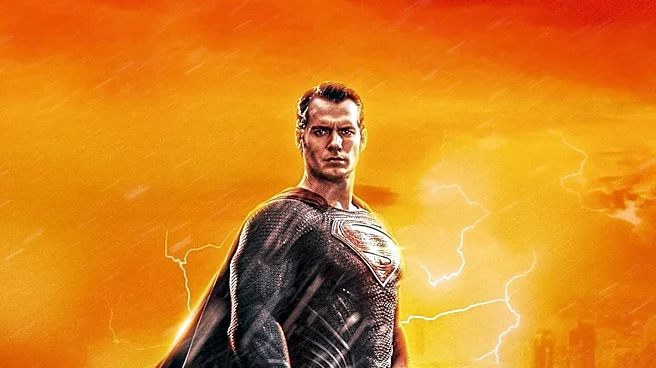
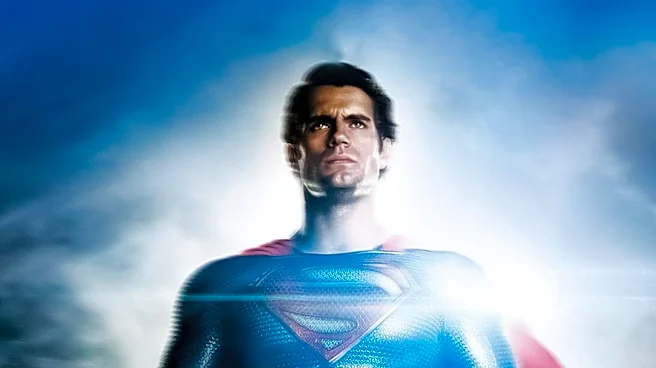
Look no further than the recent reveal of David Corenswet’s suit for James Gunn’s upcoming “Superman.” After years of a darker, more brooding cinematic Man of Steel, fans were desperate for a sign of change. The image Gunn released delivered. There was Corenswet, mid-chaos, pulling on his boot—but the details were what mattered. The suit was vibrant, not muted. Most importantly, the classic red trunks were back. For casual viewers, it might seem like a minor tweak. But for the devoted fanbase, it was a massive signal. The trunks represented a return to a more classic, hopeful interpretation of the character, a deliberate move away from the grounded, controversial designs of the previous era. The image wasn't just a costume reveal; it was a course correction broadcast to the world, instantly shaping the narrative around the new film.
The Dark Knight Precedent
Perhaps the most legendary example of a costume reveal altering expectations was for 2008's “The Dark Knight.” When Heath Ledger was cast as the Joker, the backlash was swift. Many knew him from romantic comedies and serious dramas, and couldn't picture him as Batman's anarchic nemesis. Then the first image dropped. It wasn't just a photo; it was a psychological grenade. The greasy, stringy hair, the cracked and smeared makeup, and the horrifying Glasgow smile carved into his cheeks immediately silenced the doubters. This wasn't the campy prankster of old; this was a terrifying, grounded vision of a psychopath. The image didn’t just introduce a character; it introduced a new tone for comic book movies, proving that a single, haunting portrait could completely reframe a film and hint at the Oscar-winning performance to come.
The Psychology of the Still Image
Why does a single photo hold so much power? Unlike a fast-moving trailer, a still image invites scrutiny. Fans can zoom in, dissect every stitch, and debate every choice. This act of deep engagement builds a personal connection to the film long before a ticket is purchased. That first look taps directly into the brain's desire for visual information; it provides immediate cues about the character's personality, power, and the world they inhabit. When Robert Pattinson's DIY, armored Batsuit was first shown, it screamed that this was a younger, angrier, more hands-on hero. The image becomes a foundational text for all future marketing. It sets the terms of the conversation, allowing the studio to control the narrative from the very beginning. It's less a simple reveal and more a strategic psychological anchor dropped into the sea of public opinion.