





Cinematic Wayfinding: More Than a Map
In filmmaking, “wayfinding” isn’t just about showing a character getting from point A to point B. It’s the art of making a film's geography clear, intuitive, and emotionally resonant for the viewer. When it’s done well, you feel the scale of a starship,
the imposing nature of a castle, or the vast emptiness of a desert. Poor wayfinding leaves you feeling disoriented and disconnected from the world. But when a director masters it, they don't just show you a space; they make you feel its importance. They do this by subtly guiding your eye, making the on-screen world feel tangible and immersive.
The Rule: One-Point Perspective
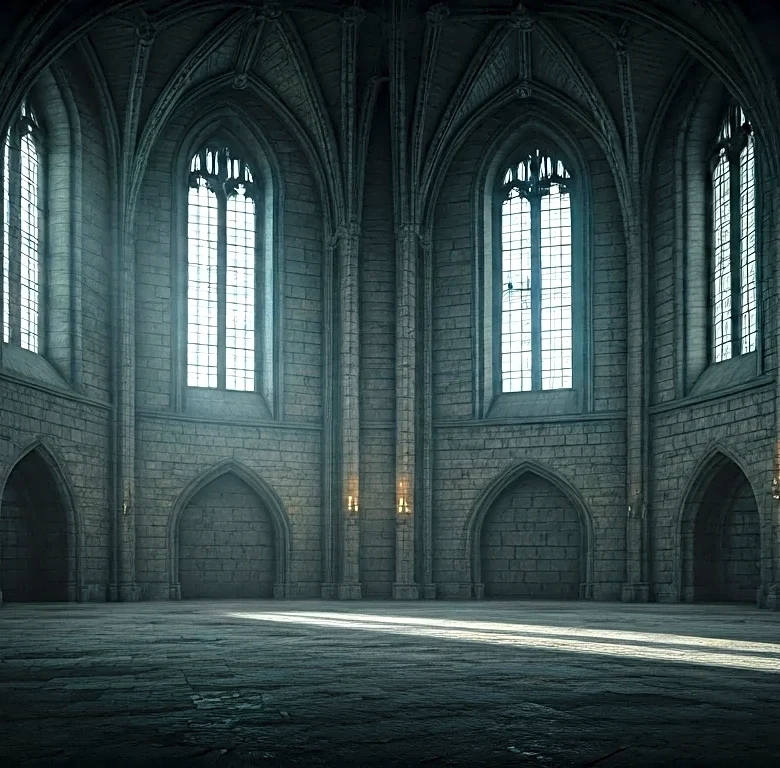
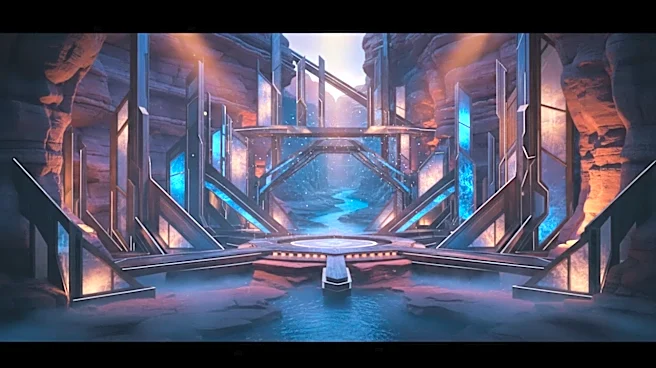
The “rule” at the heart of epic wayfinding is the deliberate use of one-point perspective. This is a composition technique where all parallel lines in the shot—like the edges of a hallway, a road, or rows of trees—appear to converge at a single spot in the distance called the vanishing point. By placing this vanishing point dead center in the frame, a director creates near-perfect symmetry that pulls the viewer’s eye directly into the scene. It’s a trick borrowed from Renaissance art, famously used in Leonardo da Vinci's “The Last Supper” to focus attention on the central figure. In film, it creates a powerful sense of depth and direction.
The Psychology of an Epic Path
This technique is so effective because it taps into our brain's natural desire for order and clarity. The symmetry is visually satisfying, while the converging lines create an unmistakable path for our eyes to follow. This gives us a subconscious sense of purpose and forward momentum. When this ordered composition is applied to a massive landscape or a seemingly endless corridor, the effect is magnified. The scale feels immense, and the journey towards that single distant point feels focused, significant, and, ultimately, epic. It transforms a simple walk down a hall into a purposeful stride toward destiny.
Case Study: Kubrick and the Sci-Fi Corridor
No director is more associated with one-point perspective than Stanley Kubrick. His films are filled with shots that exemplify this rule. Think of the corridors of the Overlook Hotel in The Shining or the sterile, sprawling interiors of the Discovery One spacecraft in 2001: A Space Odyssey. Kubrick uses these perfectly symmetrical, center-framed shots to create a hypnotic, sometimes unsettling, sense of deep space. The composition tells you exactly where to look, drawing you deeper into his meticulously crafted worlds and heightening the psychological tension. This technique makes the environment an active character in the story.
Case Study: The Fantasy Quest
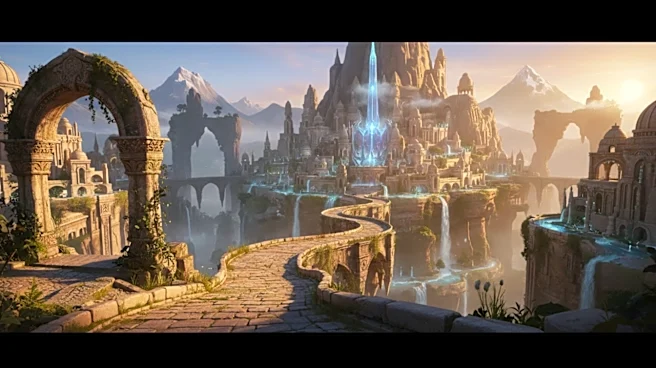
This isn't just for sterile sci-fi. The same principle makes fantasy journeys feel monumental. In The Lord of the Rings trilogy, director Peter Jackson often frames the Fellowship against vast landscapes with a clear path or landmark at the vanishing point. Whether it’s the long, straight road out of the Shire or a distant shot of the heroes moving towards the ominous silhouette of Mount Doom, the composition constantly reinforces the scale of their quest. The use of leading lines, like roads or rivers, guides the viewer’s eye toward the destination, making the immense distance feel like a tangible obstacle the characters must overcome.