





The Power of a Good Story
More often than we’d like to admit, individual awards in sports are given for the narrative as much as the performance. The Golden Ball, presented to the World Cup's best player, is a classic example. Voters—a mix of media and a FIFA technical committee—are
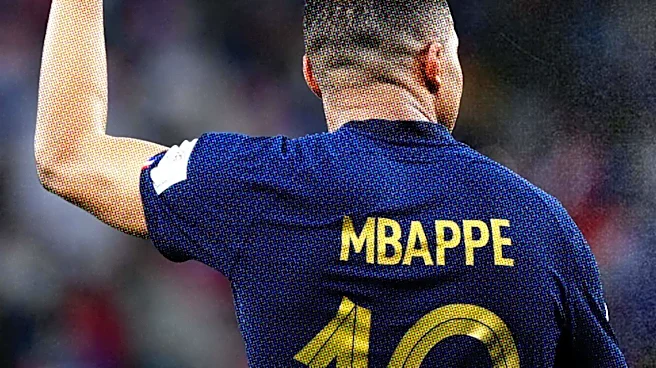
often swayed by a compelling storyline. Think of Luka Modrić in 2018. He was magnificent, the heart of a tiny nation's improbable, exhausting run to the final. His team played three consecutive extra-time games, a testament to their resilience, with Modrić as their leader. While he was brilliant, was he demonstrably better than Kylian Mbappé or Antoine Griezmann on the winning French side? Perhaps not, but his story was more romantic. He was the tireless engine of the underdog, and that narrative is powerful, often powerful enough to tip the scales in a subjective vote. Modrić himself called the award "bittersweet" after losing the final, a sign of the complex emotions tied to the prize.
The Consolation Prize Effect
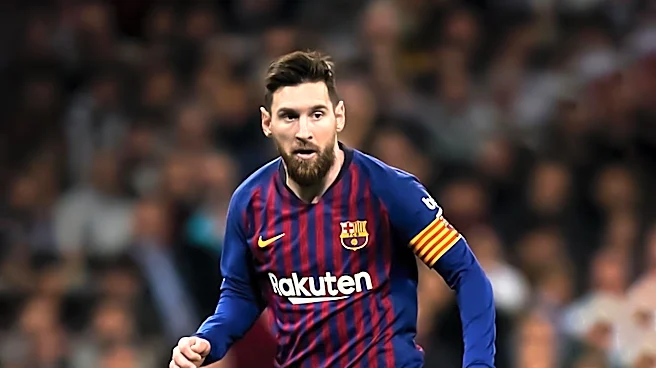
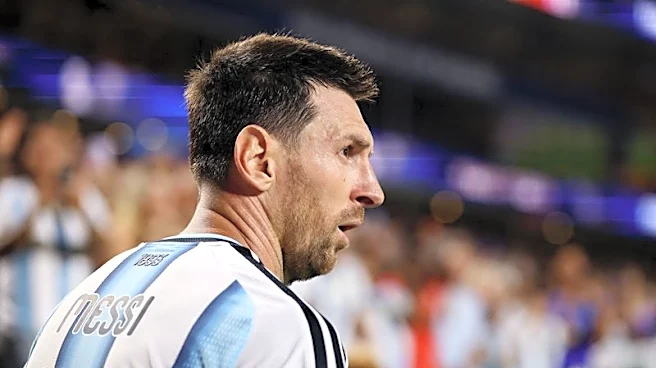
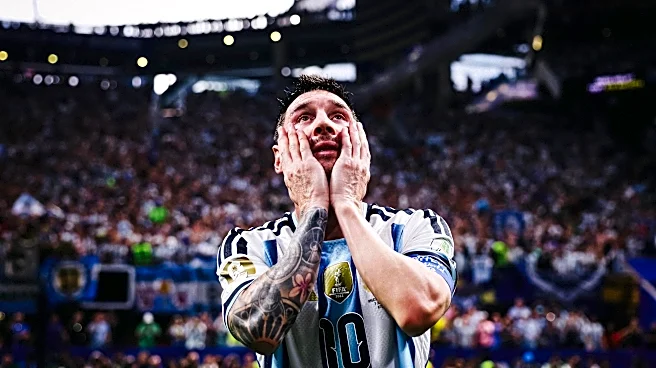
Since the late 1990s, a peculiar trend has emerged: the Golden Ball is frequently awarded to a player on the team that lost the final. It happened with Brazil's Ronaldo in 1998, Germany's Oliver Kahn in 2002, France's Zinedine Zidane in 2006, Lionel Messi in 2014, and Modrić in 2018. This pattern suggests the award often functions as a consolation prize, a way to honor a global superstar who fell just short of the ultimate team glory. The most glaring example is Messi in 2014. After Argentina lost the final to a dominant German team, a visibly crushed Messi was called up to receive the award. The decision was so controversial that even then-FIFA President Sepp Blatter admitted he was "a little bit surprised." Argentine legend Diego Maradona went further, calling it a "marketing plan." While Messi had single-handedly dragged Argentina through the group stage, his influence faded in the knockout rounds, and many felt players like Germany's Toni Kroos or Colombia's James Rodríguez were more deserving.
It's All in the Timing
Perhaps the biggest structural flaw in the process is the timing of the vote. In several recent tournaments, ballots from accredited media members have been cast before the final match even kicks off. This means the single most important game of the tournament has no bearing on who is named its best player. This strange procedure led to Germany's Oliver Kahn winning in 2002, only to make a crucial error in the final that gifted Brazil the trophy. It also allowed Zinedine Zidane to win in 2006 despite being infamously sent off for a headbutt in the final. By closing the vote early, the award can't account for a player's performance on the biggest stage, a decision that fundamentally undermines its credibility and separates it from the tournament's ultimate outcome.
Defining 'Best' vs. 'Most Valuable'
At its core, the debate also comes down to semantics. What does "best player" even mean? Is it the most technically gifted individual? The player who scored the most goals? Or the one most integral to his team's success? The Golden Boot for the top scorer is objective, but the Golden Ball is not. In 2014, many argued Messi's teammate Javier Mascherano was Argentina's most important player for his defensive heroics. In 1998, French defender Lilian Thuram was imperious, yet the award went to Brazilian striker Ronaldo. The criteria voters use are vague, boiling down to overall impact, skill, and leadership. This ambiguity allows personal preference and narrative appeal to fill the void, often leading to a choice that feels emotionally satisfying but analytically questionable. The player who truly dominated from start to finish might get overlooked for the one who provided the most memorable story.