







The Art of the Micro-Story
A commercial director’s first job is to honor the ticking clock. With only 30 or 60 seconds, there’s no room for slow burns or complex subplots. Their task is to distill a story to its most potent essence. Think of it as visual poetry; every single frame
must do the work of a paragraph. Directors take the core concept from an ad agency—the “big idea”—and translate it into a narrative arc that feels complete. This often means focusing on a single, powerful moment: a look of realization, a shared laugh, a moment of unexpected connection. They build a universe that exists for less than a minute but feels fully realized, establishing a problem and delivering a satisfying, brand-associated resolution before you can reach for the remote.
Casting for an Instant Connection
In a feature film, an actor has two hours to build a character. In a commercial, they might have two seconds. This is why casting is arguably one of the most critical jobs for a director. They aren’t just looking for an actor; they’re looking for a vessel of instant empathy. The face has to tell a story on its own. It needs to be relatable, expressive, and capable of conveying a deep well of emotion—nostalgia, joy, relief, ambition—in a single, fleeting glance. The viewer needs to see themselves, their family, or their aspirations in that person almost immediately. A director’s skill lies in spotting the talent that can project an entire backstory without saying a word, creating a bond that makes the final brand message feel earned and personal.
Weaponizing Sight and Sound
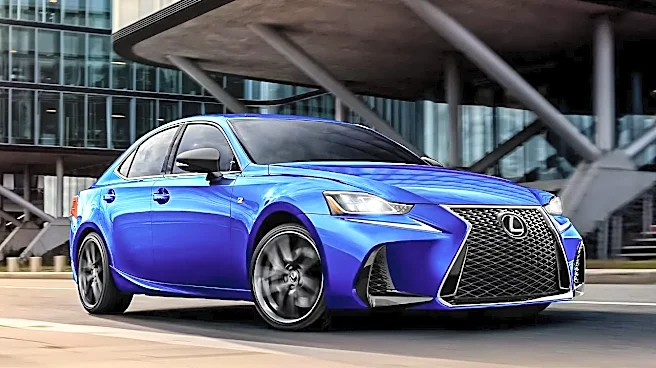
Commercials are a sensory sprint, and directors are the conductors. Visuals are meticulously planned to work as emotional shorthand. The color palette isn't accidental; warm tones might evoke nostalgia, while cool blues can signal calm and reliability. A shaky, handheld camera can create a feeling of documentary realism, while a smooth, gliding shot feels aspirational and luxurious. But the secret weapon is often sound. Music is the fastest route to a viewer's feelings, with a simple piano melody cueing tenderness or a driving beat building excitement. Even silence is a deliberate choice, used to punctuate a key moment or draw intense focus to a visual, making the final sound—a product's click, a car's engine, a brand's jingle—that much more impactful.
The Psychology of Emotion
Ultimately, commercial directors are practical psychologists. They know that emotion is the key to memory. Research consistently shows that ad campaigns with a strong emotional core outperform those that rely on purely rational arguments. People may forget a list of product features, but they won’t forget how an ad made them feel. Directors tap into universal human triggers: the desire for belonging, the comfort of nostalgia, the joy of a shared laugh, or even the slight tension of fear to encourage action. The goal is to create an emotional residue that the viewer unconsciously associates with the brand. That warm feeling you get from a holiday ad isn't just about the story; it's a deliberate strategy to make you feel that same warmth when you see the product in a store.
Connecting Feeling to Brand
The final, and most crucial, piece of the puzzle is ensuring the emotion sticks to the brand. A beautiful, moving story is useless if the viewer remembers the feeling but not who it was for. This is where the director's commercial instincts are sharpest. The brand reveal must feel like the natural conclusion to the emotional journey, not a jarring interruption. It's about seamlessly integrating the product or logo so it becomes the hero, the solution, or the reward within the story's climax. The director's job isn’t just to tell a story, but to make the brand the unforgettable author of that story, ensuring the carefully crafted emotion serves its ultimate commercial purpose.