

The Highs and Lows of Vertical Placement
One of the most significant factors in how pockets affect your shape is their vertical position. Pockets that sit high on the seat tend to give the backside a visual 'lift'. This draws the eye upward, making the area appear perkier and can even make your legs
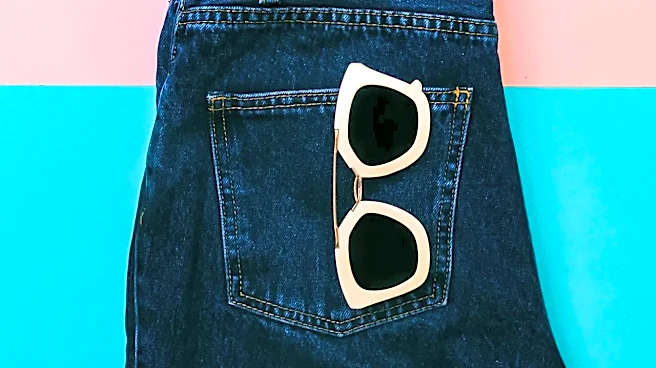
look longer. Conversely, pockets that are placed too low, closer to the tops of your thighs, can have a dragging effect. This can make the backside appear longer, flatter, or even saggy, an effect some stylists call 'uni-butt' where the thigh and butt blend together. The general rule of thumb is that the bottom of the pocket should end just above the crease where your seat meets your leg.
Horizontal Spacing and the Illusion of Width
Just as important as height is the space between the two back pockets. This horizontal gap plays a direct role in how wide or narrow your hips and rear appear. Pockets that are set far apart, closer to the side seams of the pants, will make your backside look wider. This can be a useful tool if your goal is to create the illusion of more fullness. On the other hand, for a slimming effect, look for jeans where the pockets are placed closer together, more toward the center of the seat. This narrower placement draws the eye inward, creating a more compact and streamlined look.
Why Size and Proportion Matter
The size of the pocket itself is another key piece of the puzzle, and the goal is always proportion. Pockets that are too small for your frame can make your backside appear larger by comparison. It's a common mistake that can throw off the balance of the entire garment. Conversely, pockets that are too large can overwhelm your frame and make your seat seem smaller or flatter than it is. Most stylists agree that a medium-sized pocket, one that sits comfortably in the middle of each cheek without spilling over the sides, is the most universally flattering choice. The pocket should look like it belongs on the jean, creating harmony rather than contrast.
Using Angles and Details to Your Advantage
Beyond placement and size, subtle design elements can make a big difference. Pockets that are slightly angled inward, creating a gentle 'V' shape with the yoke (the seam above the pockets), can enhance curves and provide a lifting effect. Straight, square pockets tend to offer a more neutral look. Embellishments are another powerful tool. Details like flaps, buttons, and heavy or contrasting stitching draw attention and add perceived volume. This can be ideal for someone looking to add dimension to a flatter seat. However, if the goal is to minimize, it's best to opt for clean, simple pockets without extra adornment, which can add bulk right where you may not want it.
A Quick Note on Front Pockets
While back pockets get most of the attention, front pockets can also influence the appearance of your hips. Diagonal or slash pockets on the front of trousers can sometimes gape open, especially on curvier body types. This pulling effect adds visual width directly at the hip line. Similarly, pants with bulky side pockets, like cargo styles, will naturally add volume to the hip and thigh area. For a sleeker look through the hips, seek out pants with front pockets that lie flat or jeansstlye pockets that don't add extra fabric at the sides.