




From Performance Gear to Style Icon
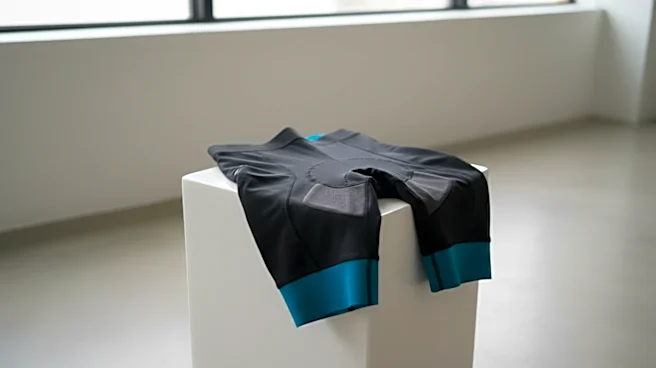
Cycling shorts weren't born on a runway; they were engineered for function. Dating back to the late 19th century, early versions were made of wool to protect cyclists from friction and the elements. The modern, stretchy spandex or Lycra version arrived
in the 1970s, designed to reduce wind resistance and offer a snug fit that wouldn't get caught on a bike's saddle. For years, they remained firmly in the domain of professional and serious cyclists. Their first major leap into mainstream fashion occurred in the '80s and '90s, an era defined by an aerobics craze and body-conscious culture. However, it was Princess Diana who cemented their status as an off-duty style staple, frequently photographed pairing them with oversized sweatshirts and sneakers, a look that still resonates today.
The Athleisure Revolution
The long-term success of cycling shorts can't be understood without the rise of athleisure. This 21st-century movement blurred the lines between workout clothes and everyday wear, prioritizing comfort and functionality. As dress codes relaxed and lifestyles became more fluid, consumers sought clothing that could transition from a morning workout to running errands or meeting friends for coffee. Cycling shorts fit perfectly into this new sartorial landscape. They offered a warm-weather alternative to the ubiquitous legging, providing the same comfort and ease of movement. This cultural shift from restrictive formalwear to versatile, comfortable clothing created the ideal environment for performance-wear like cycling shorts to become a legitimate fashion choice.
The Ultimate in Versatility
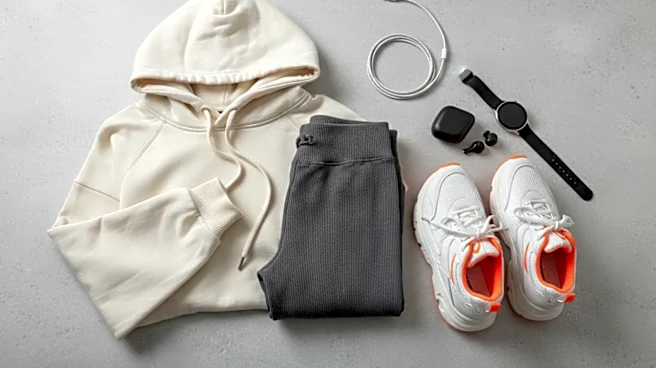
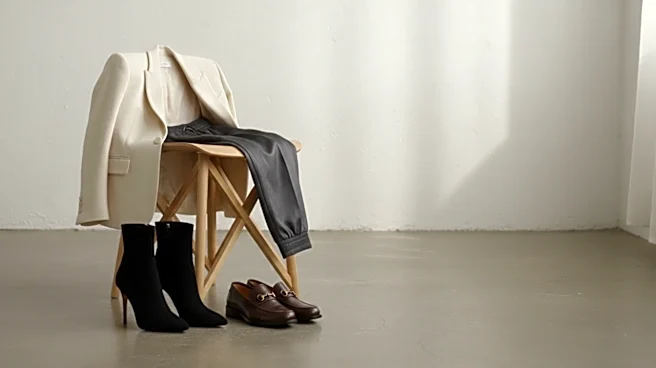
A key reason for the cycling short's endurance is its sheer versatility. The simple, streamlined silhouette acts as a neutral base for countless outfits. The most common styling trick is to play with proportions, pairing the form-fitting shorts with an oversized top like a blazer, button-down shirt, or hoodie. This creates a balanced, intentional look that feels polished rather than purely athletic. Footwear can instantly change the entire vibe; chunky sneakers create a casual, sporty feel, while loafers or heels can elevate the shorts for a dressier occasion. This adaptability allows them to be worn for everything from a gym session to brunch or even a casual office setting, making them a true wardrobe workhorse.
A Canvas for Every Body
Perhaps the most significant factor in the cycling short's lasting appeal is its inclusive nature. The stretchy, compressive fabric is forgiving and adapts to a wide range of body shapes and sizes. Unlike more structured garments, cycling shorts don't demand a specific body type to look good. This has made them a quiet hero of the body positivity movement. As fashion conversations have shifted towards celebrating all bodies, the cycling short has been embraced as a garment that offers both comfort and confidence. Brands have responded by expanding their size ranges and focusing on designs with flattering features like high-waisted cuts and shaping technology that smooths rather than constricts. This focus on an inclusive fit has ensured that the cycling short is not just a trend for a select few, but a reliable staple for many.