




What Exactly Is a Soft Summer?
In the world of seasonal color analysis, Soft Summer is defined by three core traits: cool, muted, and soft. Imagine the colors of a landscape on a hazy August morning—everything is diffused, gentle, and serene. The primary characteristic of this palette
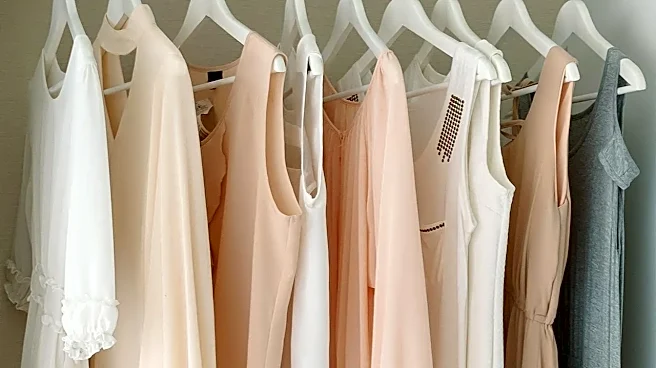
is its muted quality; colors are not bright or clear but appear as if a bit of grey has been mixed in. The secondary aspect of this palette is its cool, blue-based undertone. This combination results in a range of colors that are incredibly sophisticated and understated. Think of shades like dusty rose, sage green, slate blue, and lavender. They are complex, elusive, and anything but basic, lending an air of quiet elegance to those who wear them well.
Could This Be Your Palette?
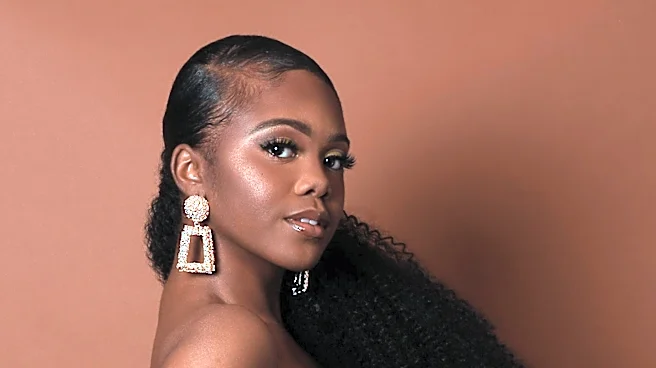
Identifying as a Soft Summer is about noticing a low-contrast harmony in your natural features. Typically, the hair, skin, and eyes of a Soft Summer tend to blend together rather than stand out in sharp contrast. Hair is often in the ash blonde to medium ash brown range, lacking red or golden tones. Skin often has neutral or cool undertones, sometimes with a pinkish or olive tint, and may not tan easily. Eyes are frequently a soft, muted shade of blue, green, grey, or hazel. One of the key indicators is a lack of vibrancy; features appear more toned-down or gentle. If bright, saturated colors seem to overpower you, but these soft, greyed-out tones make you look healthy and rested, you might have found your color home.
Building the 'Wardrobe That Works'
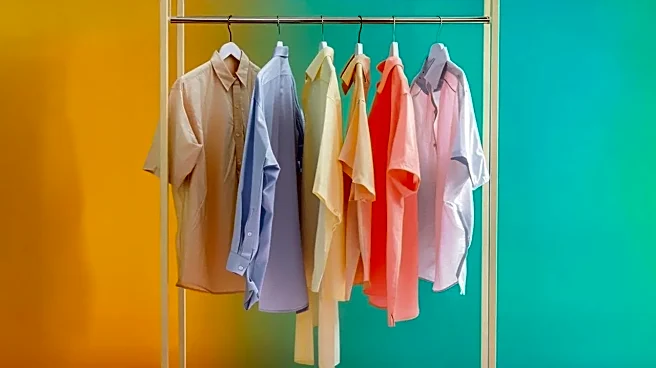
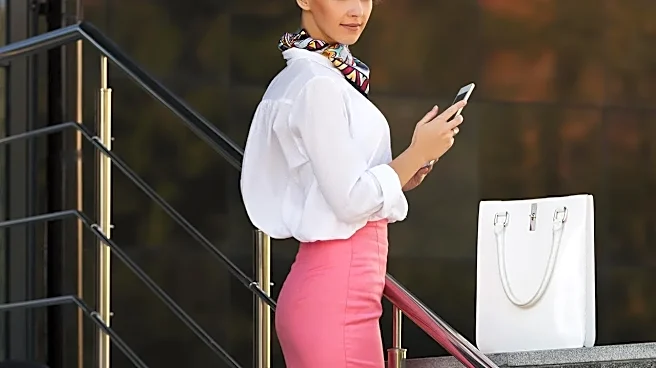
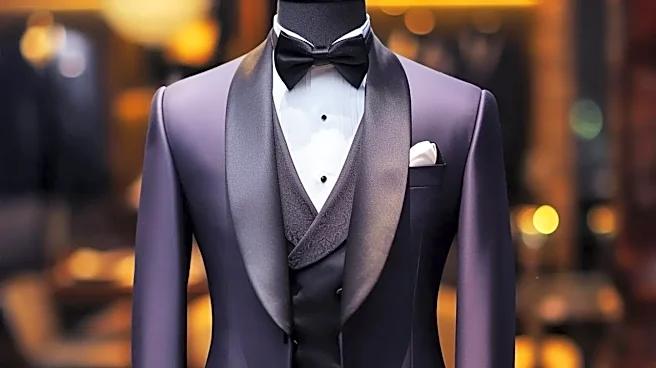
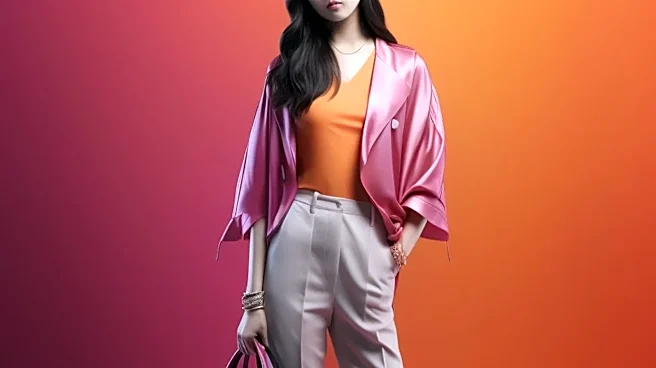
Here’s where the magic happens. A wardrobe built on the Soft Summer palette is the definition of functional. Because all the colors share the same muted, cool DNA, nearly everything coordinates. This dramatically reduces decision fatigue when getting dressed. Start with foundational neutrals like soft charcoal, greyed-navy, and stone grey instead of harsh black or stark white. For your main pieces—blouses, sweaters, and dresses—lean into the heart of the palette: muted teals, dusty roses, soft blues, and gentle purples. These colors create a cohesive base that makes mixing and matching effortless. You no longer have “orphan” items that don’t go with anything else; instead, you have a curated collection of pieces that work in harmony.
Accessorizing and Accents
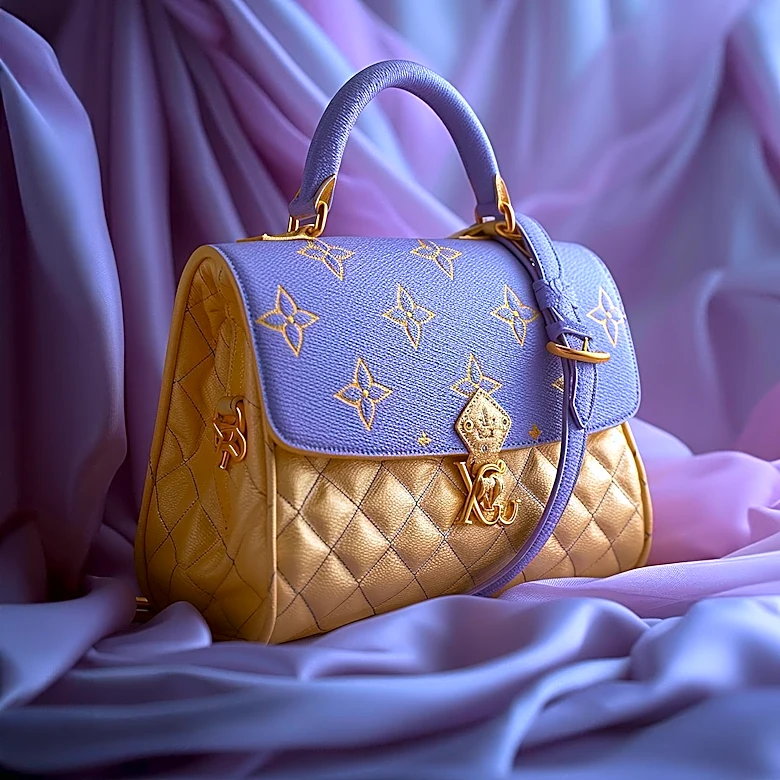
While the palette is soft, it's far from boring. The strength of Soft Summer lies in its ability to create elegance through texture and subtle variation. Think of fabrics like matte silk, soft wool, linen, and brushed cotton, which enhance the muted nature of the colors. When it comes to accessories, silver generally looks more harmonious than gold against the skin. Accent colors aren't about bold pops but about adding depth. A lavender bag, a sage green scarf, or a periwinkle blue earring can elevate a neutral outfit without disrupting the overall serenity. The goal isn't to create sharp contrast but to layer tonal shades for a sophisticated, put-together look that feels entirely natural.
Beyond the Rules
It's helpful to view your color palette as a guide, not a restrictive set of rules. You don't need to throw out every beloved item that falls outside these shades. Instead, use the palette as a tool for new purchases, especially for items worn close to your face. Celebrities often cited as examples of Soft Summer, like Jennifer Aniston and Kristen Stewart, demonstrate how these colors create a radiant and harmonious look. The ultimate goal is to build a wardrobe that feels authentic and makes you feel confident. By understanding the principles of the Soft Summer palette, you empower yourself to shop smarter and create a collection of clothes that quietly, and consistently, works for you.