





More Than a Memory
The key ingredient is nostalgia, but it’s more complicated than just a fond memory. Psychologists describe nostalgia as a “bittersweet” emotion. One part of your brain retrieves the genuine warmth and pleasure of a past experience, while another part simultaneously
registers that the moment is gone forever. It’s the sweetness of remembering combined with the sting of loss. That feeling isn't a flaw in the system; it’s the entire point. You aren't just remembering watching cartoons as a kid; you're feeling the distance between that child and the adult you are now. The emotion isn't simply sadness—it's the profound ache of time itself, a feeling that family movies, with their focus on growth and change, are uniquely designed to evoke.
The Dual-Screen Brain
When an adult watches a family movie, especially with their own children, they are processing two stories at once. The first is the one on the screen—the heroic quest, the funny sidekick, the lesson learned. The second is the movie playing in their own head: a highlight reel of their own childhood. You see a character learn to ride a bike, and you remember your own scraped knees. You watch a parent say goodbye, and you remember your first day of school. This internal film is deeply personal and emotionally charged. Furthermore, you're watching your own kids experience a similar wonder, creating a powerful, layered moment. You are simultaneously your past self, your present self, and a witness to the next generation's story unfolding. It’s this collision of past, present, and future in a single moment that can feel overwhelming enough to bring you to tears.
Engineered for Emotion
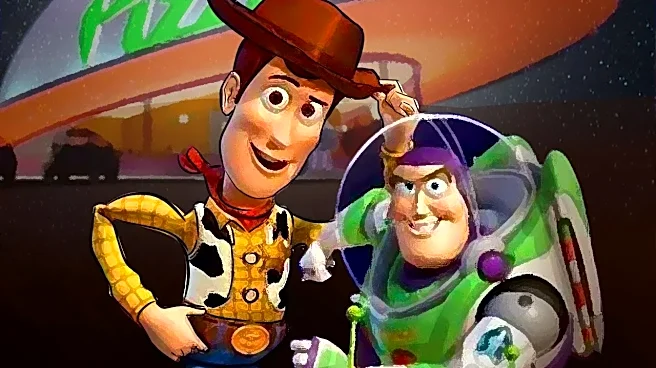
Filmmakers, particularly at studios like Pixar, are masters of this generational appeal. They intentionally create movies that operate on two levels. For kids, there are vibrant colors, slapstick humor, and straightforward adventures. For adults, they embed sophisticated themes: the fear of being forgotten in "Toy Story," the pain of a child growing up and leaving in "Toy Story 3," or the complex inner world of emotions in "Inside Out." These are not kids' themes; they are universal human experiences packaged in an accessible format. The jokes, cultural references, and emotional arcs are often aimed squarely at the parents in the room, who are not just supervising their children but are paying customers who also need to be entertained. This dual-track storytelling ensures the film resonates with everyone, but for different, and often deeper, reasons.
A Bridge Between Worlds
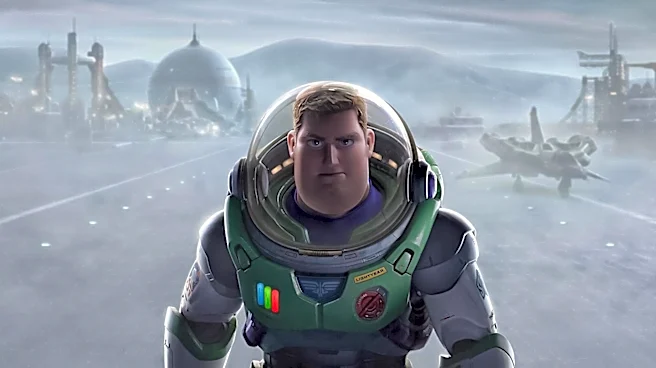
The power of nostalgia is amplified when movies feature characters or franchises we grew up with. Seeing a beloved character from your youth return to the screen in a sequel or reboot creates a powerful link between who you were and who you are now. It validates your own history, making your childhood feel important and connected to the present. Sharing that experience with a child is even more profound. It transforms a piece of personal history into a shared family moment, passing a cultural touchstone from one generation to the next. This act of sharing creates a sense of continuity and social connection that psychologists say is one of nostalgia's key psychological benefits. The tears, in this case, are not for the characters, but for the beautiful, tangible connection you feel to your own past and your family's future.