




The Micro-Trend: Fast and Furious
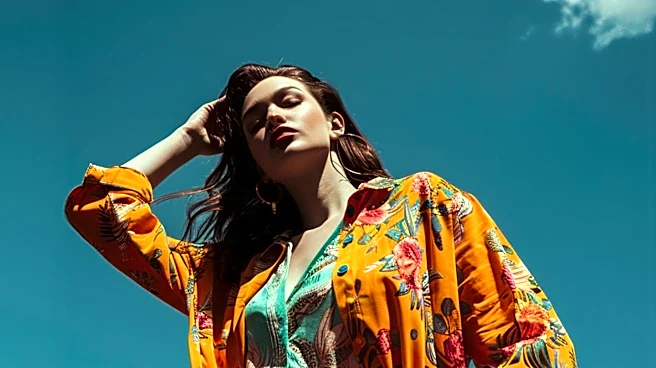
A micro-trend is a fashion moment that explodes with intensity and fades just as quickly. Often born on social media platforms like TikTok, these trends can go from a niche aesthetic to global saturation in a matter of weeks. Think of styles like "Mob
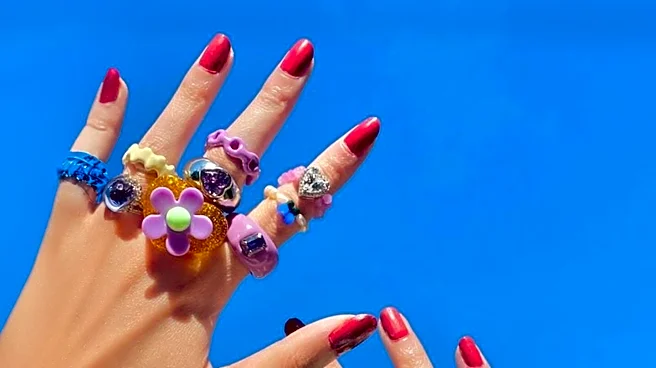
Wife," "Tomato Girl Summer," or a specific viral item, like a particular pair of cartoonishly large boots. Their lifecycle is hyper-accelerated; they are sparked by influencers or viral moments, rapidly copied by fast-fashion retailers, and then vanish once the collective attention moves on. These trends are fun, expressive, and offer a low-commitment way to play with a new look. However, their defining characteristic is their speed. By the time a micro-trend is available in every mall, its cultural currency is likely already spent.
The Lasting Shift: Slow and Foundational
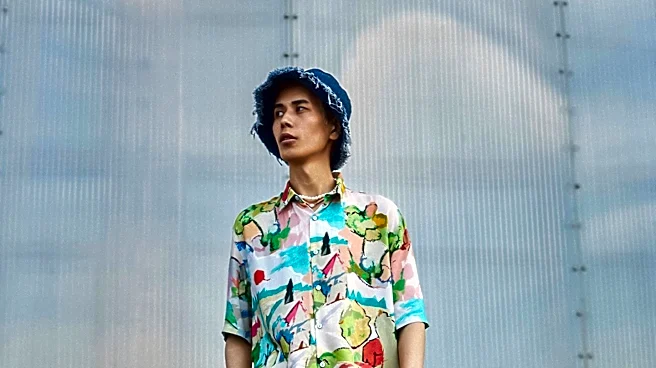
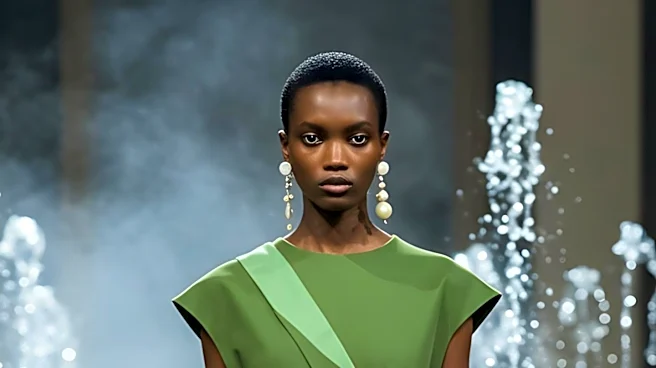
A lasting fashion shift, often called a macro-trend, is a slower, more significant change that reflects a deeper cultural movement. These shifts aren't about a single item but a broader change in silhouette, values, or lifestyle that can influence how we dress for years, not just a season. Examples include the widespread adoption of athleisure, the move towards sustainable and natural fabrics, the normalization of oversized tailoring, and the rise of gender-neutral clothing. These shifts are driven by larger societal changes in work, culture, and technology. Because they evolve over multiple seasons, they represent a more stable and worthwhile place to invest in your wardrobe. A lasting shift doesn't just change what you buy; it changes your approach to getting dressed.
How to Spot the Difference
So, how do you tell if you're looking at a fleeting fad or a foundational shift? First, consider the origin. Did it seemingly appear overnight from a single viral video, or has it been slowly building in designer collections and street style for a few seasons? Micro-trends often feel like a costume for a specific, named aesthetic, while macro-trends feel like a natural evolution of how people live. Second, look at the lifespan. A micro-trend might last a few months at most. A macro-trend will stick around for several years, evolving and adapting over time. Finally, consider the source of influence. Micro-trends are often propelled by specific influencers or celebrity moments, while macro-shifts are tied to broader cultural, economic, or technological movements.
Building a Smarter Wardrobe
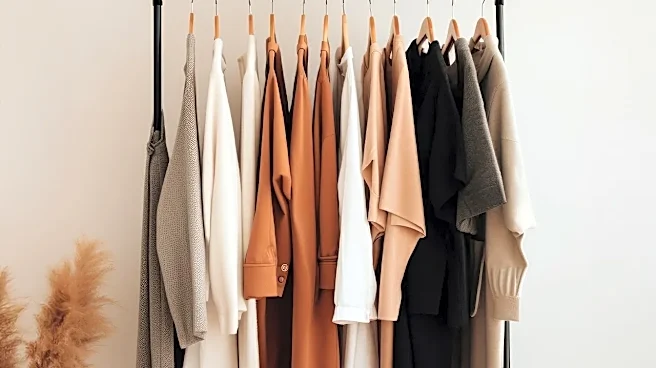
The goal isn't to ignore trends entirely but to engage with them wisely. A common guideline is the 70/30 rule: dedicate 70% of your wardrobe budget and space to timeless basics and pieces that align with lasting shifts. These are your high-quality coats, well-fitting denim, versatile knitwear, and classic footwear. They are the foundation. The other 30% can be for experimenting with micro-trends. This is where you can have fun with a bold color, an unusual accessory, or a trendy print without a major financial commitment. By investing in the shifts and accenting with the micro-trends, you create a wardrobe that feels both current and enduring. You get to participate in the fun of fashion without the constant pressure of chasing every new thing and the regret of a closet full of clothes that feel dated after only a few wears.