



An Offer He Could, and Did, Refuse
The year was 1970, and director Francis Ford Coppola was facing the daunting task of casting his epic, The Godfather. For the patriarch, Don Vito Corleone, he knew he needed an actor with immense gravity and star power. In his mind, only two men on earth
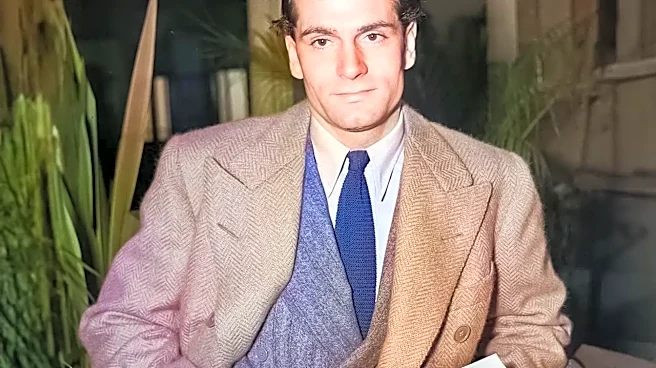
were up to the task: Marlon Brando and Laurence Olivier. The studio, Paramount Pictures, was deeply skeptical of Brando, viewing him as box-office poison with a difficult reputation. Olivier, then in his early 60s, was the age-appropriate, prestigious choice. Coppola first inquired about the British legend, a titan of the stage and screen who seemed perfect for the role of a powerful, aging leader.
A Matter of Health and Priorities
The offer was extended, but Olivier's agent quickly shut it down. The official reason given was that the actor was gravely ill and not taking on new work. Some reports from the time even suggested he was near death. While his health was a genuine concern, Olivier was also deeply committed to his role as the artistic director of Britain's National Theatre, a post he held from 1963 to 1973. The demands of running a major theater company and his failing health made a grueling American film shoot seem impossible. Interestingly, despite the reports of his sickness, he would go on to star in the film Sleuth later that same year, a role that earned him another Academy Award nomination.
The Fight for Brando
With Olivier officially out, Coppola was left with his other choice: Marlon Brando. What followed was one of the most famously contentious casting battles in movie history. Paramount executives were dead set against Brando, who was only 47 and had a string of recent flops. But Coppola persisted, ultimately convincing a reluctant Brando to film a makeshift screen test at his home. Stuffing his cheeks with cotton balls to create the character's bulldog-like jowls and mumbling his lines, Brando transformed himself into Vito Corleone. The executives were stunned and finally relented. The part was his.
A 'What If' for the Ages
Brando's performance is now the stuff of legend. It revived his career, won him the Academy Award for Best Actor (which he famously refused), and created one of the most indelible characters in film history. Yet, the question of Olivier's Corleone remains a fascinating 'what if.' Some accounts suggest Olivier had already begun perfecting an Italian-American accent for the role before bowing out. His version would have likely been more theatrical and precise, a product of his classical training, standing in stark contrast to Brando's intuitive, soulful, and famously mumbling portrayal. While Brando brought a weary, internal pain to the part, Olivier may have given the Don a different kind of terrifying grandeur. We'll never know for sure, but the choice became a defining moment. It proved that sometimes, a closed door in Hollywood opens a window to cinematic immortality.