


The Thing (1982): The Paranoia is the Point
Before digital effects made anything possible, there was Rob Bottin’s work on John Carpenter's masterpiece. The film's Antarctic setting creates a perfect storm of isolation and claustrophobia, but the real terror comes from the shapeshifting alien itself.
The special effects are the star here, a grotesque ballet of melting rubber, strawberry jam, and K-Y Jelly that, even today, feels more tangible and terrifying than most CGI creations. Watching the Norris-Thing's head detach and scuttle away on spider legs is a rite of passage. This isn't just a creature feature; it's a masterclass in tension, where the chilling question of 'who can you trust?' is just as scary as the monster.
Poltergeist (1982): When Suburbia Bites Back
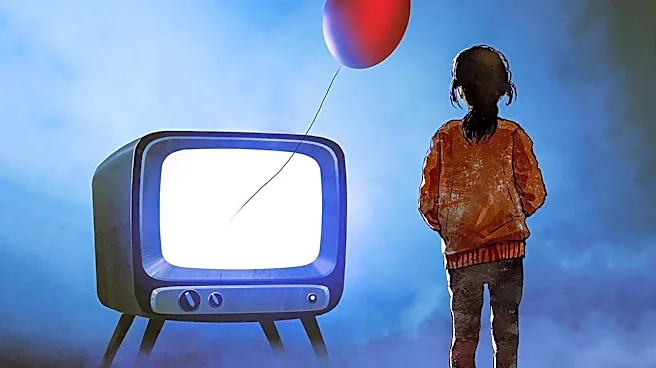
On the surface, the Freeling family was living the American dream in a pristine California suburb. But 'Poltergeist' took that dream and turned it into a nightmare, reminding audiences that terror isn't confined to gothic castles. The film, produced by Steven Spielberg and directed by Tobe Hooper, masterfully turned the familiar iconography of domestic life—the television set, a child's clown doll—into objects of pure dread. It tapped into the idea that the seemingly perfect suburban expansion of the era was built on something unsettled, in this case literally a cemetery. The line "They're here" became an instant cultural touchstone, a chilling whisper that the safety of home was just an illusion.
A Nightmare on Elm Street (1984): The Slasher Gets Surreal
By 1984, the slasher formula of a masked, silent killer was well-established. Then Wes Craven introduced Freddy Krueger, a villain who wasn't just hiding in the shadows but in his victims' subconscious. This masterstroke revitalized the genre. Freddy was a pop culture icon in the making: a killer with a personality, a twisted sense of humor, and a terrifyingly creative method. The film blurred the lines between dreams and reality, making sleep itself the enemy. Scenes like Tina's death, where she's dragged across the ceiling by an unseen force, or Glen's explosive demise in a geyser of blood, weren't just about gore; they were surreal, unforgettable images that cemented 'Nightmare' as a cultural phenomenon.
The Evil Dead (1981): Low-Budget Mania at its Best
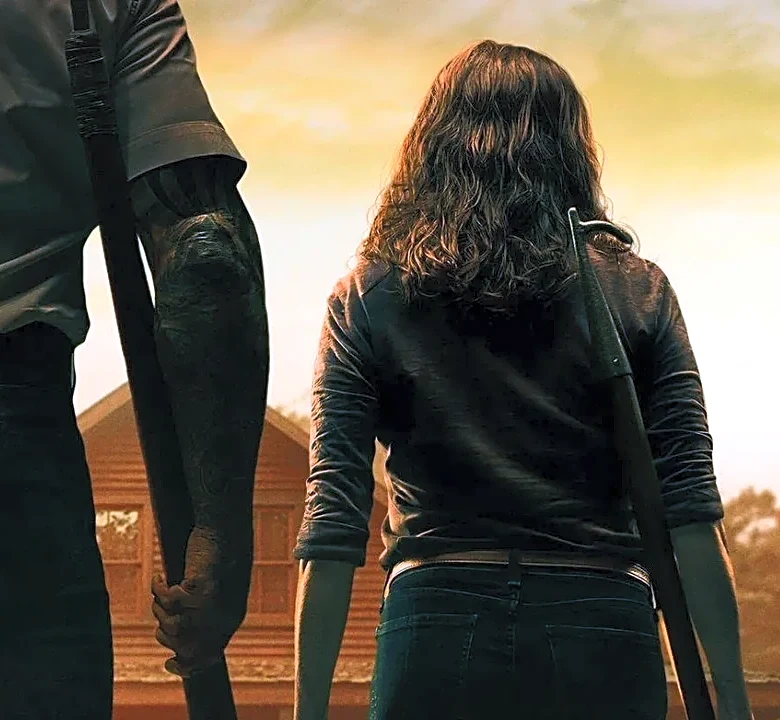
There's a raw, chaotic energy to Sam Raimi's directorial debut that simply can't be replicated. Made on a shoestring budget by a group of college friends, the film is a testament to sheer willpower and ingenuity. The premise is simple: five students in a remote cabin unleash a demonic force. But the execution is anything but. Raimi's wildly kinetic camerawork, including the famous “shaky cam” perspective of the unseen entity, created a disorienting and relentless viewing experience. It's grimy, intense, and at times genuinely disturbing, but its DIY spirit and the birth of Bruce Campbell's iconic hero, Ash Williams, make it a foundational text for a certain brand of go-for-broke horror.
An American Werewolf in London (1981): Horror with a Bite of Humor
Before horror-comedy was a well-defined subgenre, John Landis perfected the blend with this classic. The film skillfully alternates between genuine scares and laugh-out-out moments, but it’s most remembered for one thing: the transformation. Rick Baker's Oscar-winning practical effects created a sequence of body horror so painful and visceral it remains unmatched. For three agonizing minutes, we watch as David's bones elongate and his flesh stretches, his screams turning into growls. It’s a horrifying spectacle that grounds the supernatural in believable, physical torment. The film’s enduring power lies in this perfect balance of terror, tragedy, and dark humor.
Fright Night (1985): The Vampire Next Door
At a time when slashers reigned supreme, 'Fright Night' was a loving homage to the classic vampire tales, but with a clever, modern twist. It took the vampire out of the Transylvanian castle and dropped him right into the house next door in suburbia. The story of teenager Charley Brewster suspecting his suave new neighbor (a perfectly cast Chris Sarandon) is a creature of the night is both a thrilling horror story and a meta-commentary on the genre itself. By enlisting a washed-up TV horror host, Peter Vincent, to help him, Charley bridges the gap between horror fandom and horror reality. It’s a fun, smart, and genuinely scary movie that celebrated the genre while giving it a fresh coat of paint.