





The Audience: Casuals vs. The Faithful
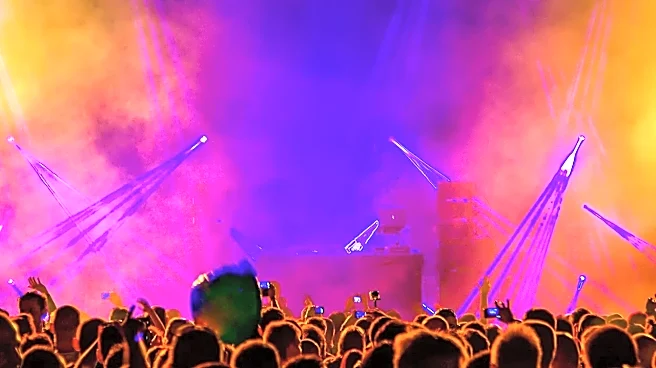
The single biggest difference comes down to who is in the crowd. A headlining tour show is a self-selecting audience of true believers. Every person in the room paid specifically to see that band, knows the catalog, and is emotionally invested. The energy
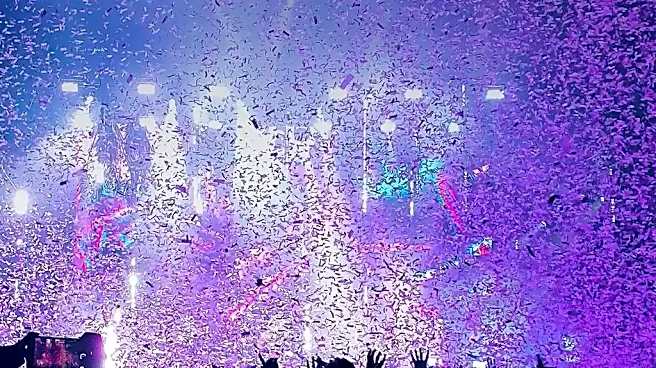
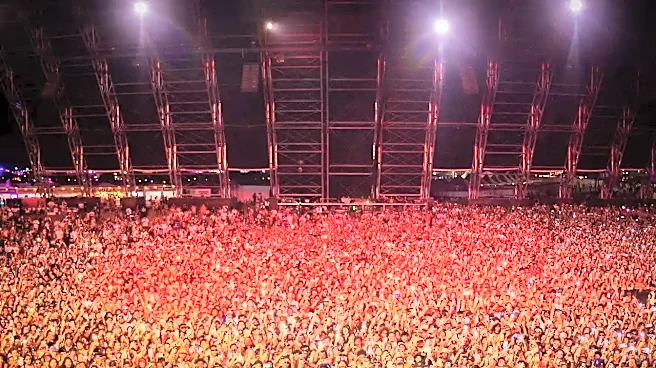
is focused and unified. A festival, even one as music-focused as Austin City Limits, is a beautiful, chaotic mix. The audience is a grab-bag of musical tourists, curious passersby, and fans of the act playing on another stage. A reunion band at ACL isn't just performing; they're competing for attention against dozens of other artists, fantastic food trucks, and the general spectacle of the festival itself. The crowd's energy is diffuse, a collective of individual experiences rather than a single, shared one. For the band, it means they have to win over a crowd that might not know their story.
The Setlist: A Sprint vs. A Marathon
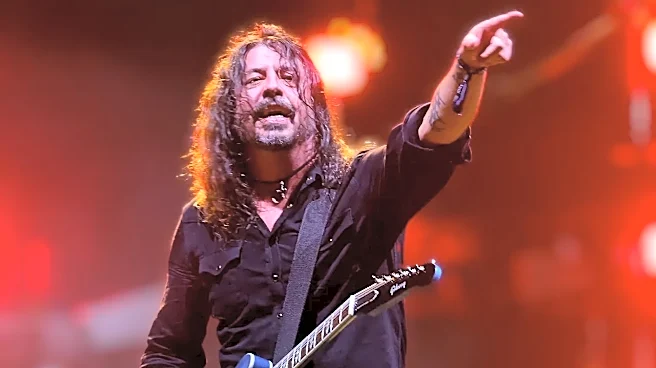
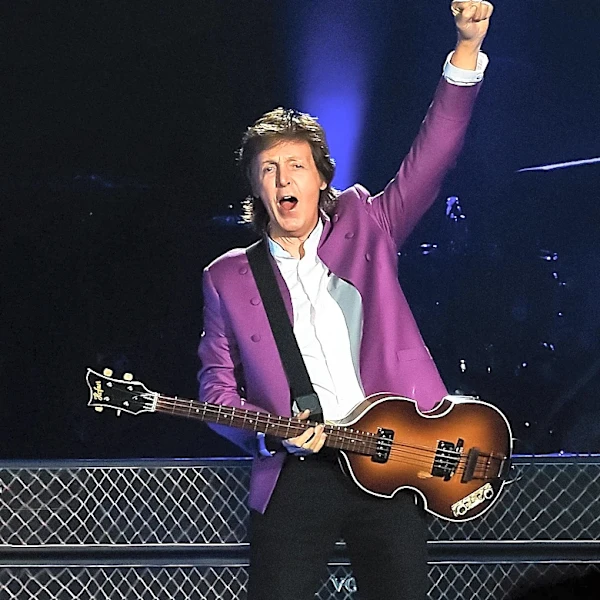
Time constraints fundamentally change the musical narrative. A festival set is a sprint—typically an hour, maybe 90 minutes for a headliner. There's no room for indulgence. The goal is to deliver a high-impact, “greatest hits” experience that captures the band’s essence in a compressed timeframe. It’s a showcase designed to remind casuals why they loved the band and to hook newcomers. A solo tour show, by contrast, is a marathon. With two or more hours at their disposal, the band can craft a story. They can dig deep into their catalog, playing the B-sides and fan favorites that would never make a festival cut. There’s space for experimentation, extended jams, and the quiet, intimate moments that forge a deeper connection with the audience. The tour show is a conversation with fans; the festival set is a powerful, concise statement.
The Stakes: A Pitch vs. A Payoff
From a strategic perspective, the two events serve entirely different purposes. A major festival slot like ACL is a massive marketing opportunity. It places the reunion in front of a huge, diverse audience and generates industry buzz. The performance fee is often a guaranteed, lucrative paycheck, mitigating the financial risks of a full tour. For many bands, a successful festival reunion is the catalyst for a larger tour. The tour itself, however, is the emotional and financial payoff. The revenue model is different, relying on ticket and merchandise sales from a dedicated fanbase. The pressure isn't to win new fans, but to deliver a transcendent experience for the ones who have been waiting years for this moment. The intimacy is greater, the production is entirely their own, and the show is tailored for those who care the most.
The Vibe: Communal Chaos vs. Focused Intimacy
Ultimately, it boils down to the atmosphere. A festival is a shared cultural moment, defined by its massive scale and collective energy. Seeing a reunion at ACL means your memory of the show is intertwined with the heat, the dust, the Austin skyline, and the thousands of other people on a similar journey of discovery. It’s a sprawling, communal celebration where the band is one important piece of a much larger puzzle. A tour show is an intensely personal and focused experience. The outside world falls away, and for a few hours, the only thing that matters is the connection between the band on stage and the fans in the room. The memory isn't about the festival; it's about the songs and the feeling of being surrounded by people who love the same thing as you. One is a wild party; the other is a family gathering. Both are valid, but they are rarely the same.