

The Army of Cameras
The first secret to an epic livestream is a simple matter of overwhelming force. A major festival broadcast isn’t shot with two or three cameras; it’s a coordinated attack involving a dozen or more. You have your workhorse cameras on tripods in the pit
and at the soundboard, providing stable, essential shots of the artist. Then you bring in the specialists. A Steadicam operator glides across the stage, creating smooth, flowing shots that put you right next to the singer. A massive jib or crane arm soars over the audience, capturing a sweeping, cinematic view of the entire scene. Add in a few remote-controlled robotic cameras tucked away in discreet spots on stage—like behind the drummer or looking down a keyboard—and you have a wealth of angles that can make a single performance feel like a blockbuster movie. This variety is key, allowing the director to constantly offer the viewer a new, dynamic perspective.
The Strategic Wide Shot
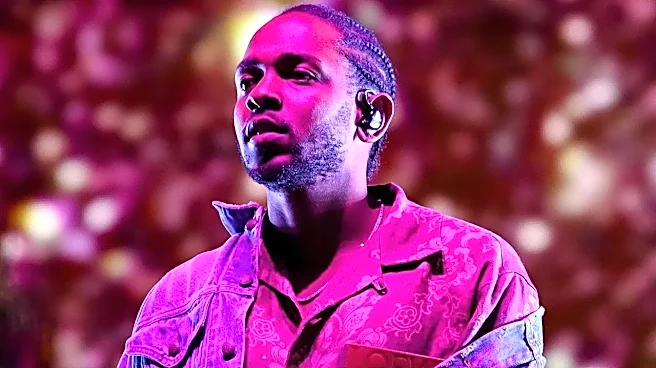
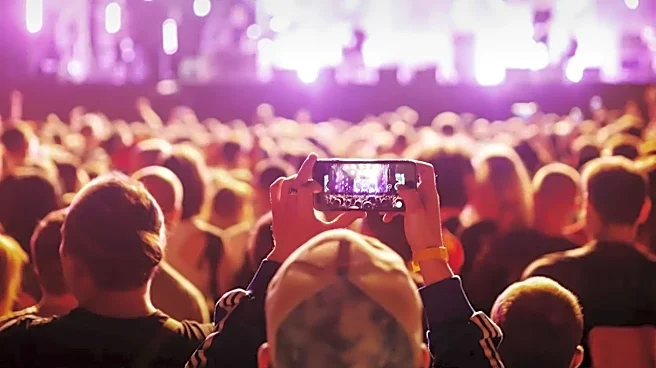
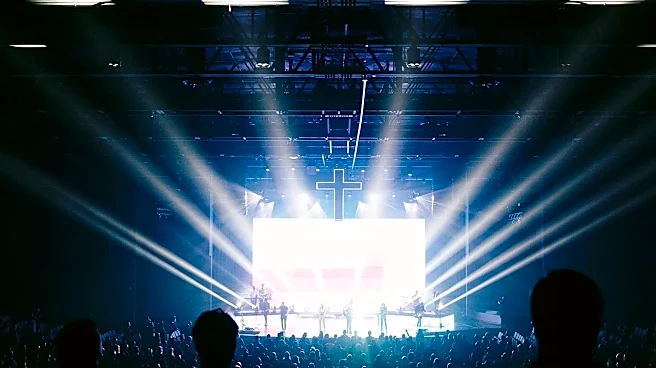
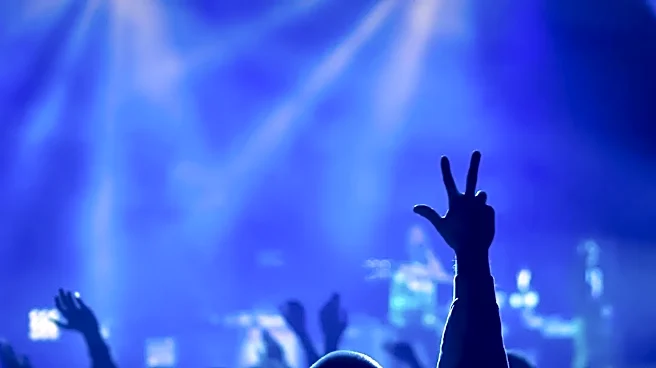
While a tight close-up on a guitarist’s fingers or a singer’s emotional expression creates intimacy, it’s the strategic use of the wide shot that builds the legend. The director will purposefully cut to a massive shot from the back of the park, showing the headliner as a small figure in front of a colossal lighting rig and a sea of thousands of cheering fans. It’s a visual statement that communicates scale and importance. At an event like ACL, the production itself is part of the show, with stages featuring hundreds of moving lights and massive LED screens. The wide shot is how the at-home viewer gets to appreciate that spectacle. It captures the energy of the crowd and the grandeur of the production, reminding you that this isn’t just a concert; it’s a major cultural event. These shots are carefully planned to hit at the peak of a song, maximizing the sense of awe.
The Magic of Lens Compression
Here’s a more subtle trick that has a huge psychological impact. When a camera operator uses a long telephoto lens from a great distance, it creates an effect called lens compression. This flattens the perspective, making the background appear much closer and larger than it actually is. On screen, this makes a lead singer appear to be standing directly in front of a massive, dense wall of people, even if the first several rows are yards away. It also enhances the look of stage lighting and pyrotechnics, making them feel more immersive and grand. This technique is a favorite for isolating a performer while still conveying the immense scale of the environment. The artist feels heroic, framed against an epic backdrop that seems to stretch on forever. It’s a powerful tool for turning a great performance into an iconic moment.
The Director in the 'Hot Seat'
The most important person you never see is the broadcast director, sitting in a production truck lined with monitors displaying every camera feed. Their job is to act as a real-time editor and storyteller. A great director does more than just switch between cameras; they perform a kind of visual music. They know the artist’s setlist and have a plan for how to cover each song. They anticipate the drum fill and cut to the drummer. They see the guitarist step forward for a solo and switch to a tight shot. They feel the energy of a chorus building and cut to a wide shot of the crowd singing along. This rhythmic cutting, done in time with the music, transforms the viewing experience from a passive observation into an engaging, energetic ride. It’s an art form that requires intense focus and a deep understanding of music, ensuring the visuals amplify the emotion of the sound.
The 'God's-Eye' View
Nothing says “epic” quite like a perspective that no human in attendance can get. This is the domain of the crane and, in modern festival coverage, the drone. These cameras provide the “God’s-eye” view, soaring high above the stage and the crowd. This vantage point does a few things. First, it provides breathtaking establishing shots of the festival grounds, contextualizing the performance within the larger event and the city skyline. Second, it can create incredibly dramatic hero shots, slowly pushing in on an artist from high above as they command the stage. These aerial views are pure spectacle, designed to make the event feel larger than life. They break the normal horizontal plane of viewing and offer a sense of grandeur and freedom that perfectly complements the open-air festival experience, making the viewer on the couch feel like they have the best seat in the house—or, rather, above it.