

The Linen Paradox
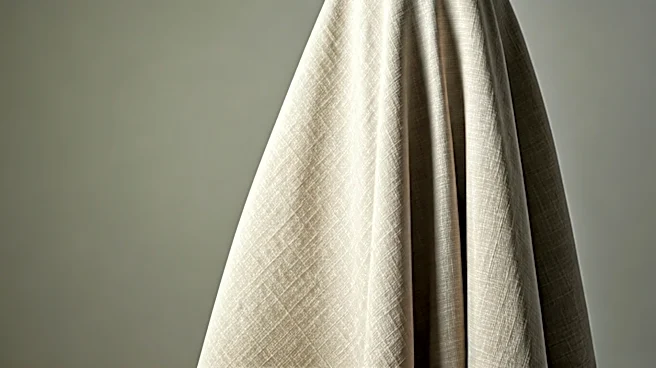
We love linen for its natural, lived-in texture and unparalleled breathability. The very qualities that make it perfect for a sweltering July afternoon are what make it a photographer’s nemesis. Linen is woven from flax fibers, which have very low elasticity.
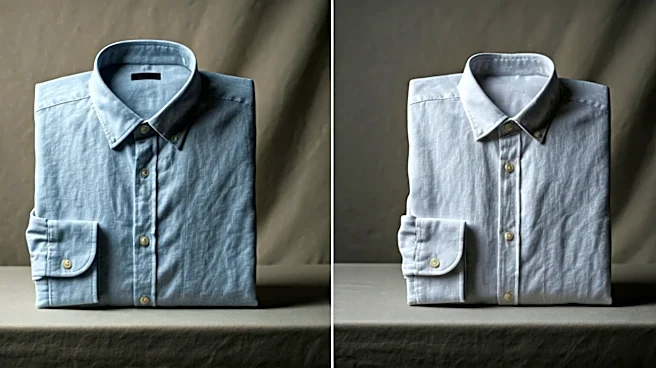
Unlike wool or synthetic blends that can stretch and recover, flax fibers bend and break easily, creating sharp, stubborn creases. The moment you sit down, cross your arms, or even breathe too deeply, the wrinkles set in. In person, this is part of its charm. But under the unforgiving lens of a camera, which exaggerates every shadow and line, that charming texture can look like a garment that was just pulled from the bottom of a hamper. The fabric appears to “collapse,” losing its shape and making the wearer look sloppy rather than sophisticated.
The Stylist’s Secret: Interlining
So how do stylists and fashion houses get those pristine shots of linen blazers and trousers that look so effortlessly perfect in magazines? The answer isn’t a magical steamer or a Photoshop trick (though those help). It’s a classic tailoring technique: adding an interlining. Interlining, also known as interfacing, is a separate layer of material that is applied to the inside of a garment, sandwiched between the main fabric and the lining. Its purpose is to provide shape, support, and stability. You’ve likely encountered it without realizing it in the collars and cuffs of dress shirts or the lapels of a blazer, where it provides necessary stiffness. For linen, stylists and tailors use a very specific type of interlining to solve the wrinkle problem without sacrificing the fabric’s character.
How the Fix Actually Works
The magic lies in choosing the right kind of interlining. The goal isn’t to make the linen stiff as a board, but to give it just enough internal support to resist deep wrinkling and hold its intended silhouette. For this, tailors use a lightweight, often fusible, interlining. Fusible interlining has a heat-activated adhesive on one side. A tailor carefully cuts the interlining to match the pattern piece (like the front panel of a blazer or the entire leg of a pair of trousers) and then uses a professional press to bond it to the reverse side of the linen fabric before the garment is fully sewn. This bonded layer acts as a subtle backbone, helping the linen fibers bounce back from minor creases and preventing the fabric from sagging or collapsing under its own weight. For more delicate or expensive linen, a high-quality sew-in interlining might be used, which is meticulously stitched in place rather than ironed on.
Finding the Right Structural Balance
This technique is an art as much as a science. The key is balance. If the interlining is too heavy or stiff, it will completely kill the soft drape and breathability that makes linen so desirable. The garment will look and feel rigid, unnatural, and uncomfortable. A skilled tailor knows how to select an interlining that matches the weight and character of the linen itself. For a lightweight linen shirt, they might use an ultra-fine, almost transparent interlining. For a structured linen blazer or a pair of wide-leg trousers, a slightly heavier but still flexible option might be chosen to ensure the lapels stay sharp and the pant legs hang cleanly. This strategic reinforcement is what creates that “photo-ready” look—a garment that moves with you but doesn’t immediately surrender to gravity and wrinkles.
Should You Ask Your Tailor?
While fusible interlinings are available at fabric stores for DIY enthusiasts, applying them correctly to a finished garment is extremely difficult and best left to a professional. A botched DIY job can leave you with bubbling, puckering, or a melted adhesive mess that ruins the fabric. Instead, this is a conversation to have with an experienced tailor. If you have a favorite linen blazer, dress, or pair of pants that you love but hate wearing because of the instant-wrinkle factor, take it to them. Explain that you want to give the garment more structure to prevent it from collapsing. Use the term “lightweight fusible interlining” and ask if they can add it to the main panels. A good tailor will understand immediately and can advise you on the feasibility and cost. It’s a relatively straightforward modification for them and can completely transform how your linen pieces look and feel, especially when you need to look polished.