
The Paradox of Simplicity
Minimalist fashion operates on a fundamental paradox: the fewer elements a design has, the more important each one becomes. A maximalist garment, with its bold prints, layers, and embellishments, can hide
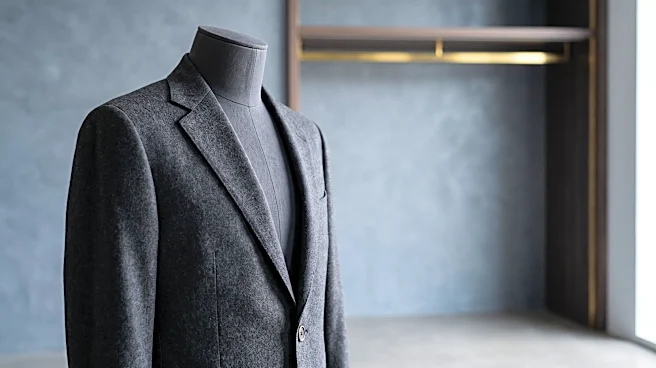
a multitude of sins. An awkward seam or a slightly off-kilter hem gets lost in the visual noise. On a simple, unadorned piece, however, there is nowhere to hide. Every single line, from the slope of the shoulder to the break of the trouser, is exposed for scrutiny. This unforgiving nature means that anything less than perfection is immediately obvious, turning a would-be statement of quiet confidence into a study of noticeable flaws. The goal of minimalism isn't to be boring; it's to be deliberate, removing clutter so that the core elements of silhouette, texture, and form can speak for themselves.
Nowhere to Hide: The Tyranny of the Seam
In minimalist design, the construction is the design. With no distracting patterns, the eye is drawn directly to the fundamentals: the fit, the fabric, and the seams that hold it all together. A small mistake in proportion becomes instantly glaring. A sleeve head that is set incorrectly, a dart that puckers, or a topstitch that wavers can throw off the entire look. Achieving those clean, architectural lines seen on the London runways requires an almost surgical precision from pattern makers and machinists. Designers known for sophisticated minimalism, like those at SRVC, build their collections on this foundation of precise construction and quality materials. A few centimeters can change the entire character of a garment, shifting it from ordinary to intentional.
The Power and Problem of Fabric
When a garment is visually simple, the fabric does all the talking. The choice of material is everything. A designer can't just pick any bolt of cloth; they must select a textile that has the right weight, drape, and structure to hold the intended shape. A cheap knit might cling or twist, while a flimsy cotton could collapse and lose its form. The masters of minimalism understand this dialogue between material and design. They might use a heavy wool crepe to create a sculptural coat that stands away from the body or a fluid silk that drapes and moves with a liquid grace. This is why well-executed minimalist pieces often feel expensive; the value is communicated through the hand-feel and performance of the fabric itself, a subtle signal of quality that logos can't replicate.
The Hidden Complexity of the Cut
Creating a garment that looks simple is often a highly complex technical challenge. To achieve a perfectly clean silhouette, a pattern cutter might have to engineer intricate solutions that are invisible to the wearer. This can involve moving darts to hidden seams, creating single-panel patterns that wrap the body in innovative ways, or using advanced techniques like bonded finishes to eliminate stitching altogether. Designers like Paul Costelloe, a veteran of London Fashion Week, are celebrated for this kind of refined tailoring and precise construction. The process is closer to architecture than to dressmaking, where balance, proportion, and structure are paramount. What appears to be an effortless drape might be the result of days of painstaking work, tweaking a pattern by millimeters until it hangs just right.