




The Moment It All Clicks
For many, that moment isn't a dragon fight or a bloody battle. It arrives in the eighth episode, “The Lord of the Tides,” during a scene that is deceptively simple: a family dinner. By this point, the battle lines have been drawn for years. On one side
are the “Blacks,” loyal to Princess Rhaenyra, the king’s named heir. On the other are the “Greens,” who support Queen Alicent and her sons. The tension has been a low hum of backstabbing and whispered plots, but here, it all comes to a head in one claustrophobic room. King Viserys I, ravaged by a flesh-eating disease and barely clinging to life, has one final wish: to see his family get along. What follows isn't spectacle; it's something far more potent and terrifying: a family tragedy playing out in real time.
An Agonizing Walk to the Throne
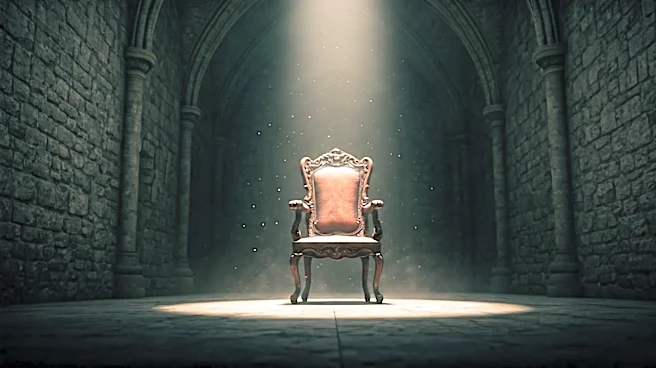
The scene’s power begins before the dinner even starts. When Rhaenyra’s son’s legitimacy is publicly questioned, a frail Viserys makes an agonizing, determined journey from his bedchamber to the Iron Throne. His face is half-gone, hidden behind a golden mask. He stumbles, his crown falls, and for a gut-wrenching moment, it seems he won’t make it. Then his estranged, formidable brother, Daemon, helps him the rest of the way. Not a word is spoken, but everything is said. This isn’t just a king reclaiming his authority; it’s a dying father using his last ounce of strength to protect his daughter. The physicality of Paddy Considine’s performance makes you feel every labored breath, transforming a walk across a room into an epic act of will. It’s a masterclass in showing, not telling, what’s at stake.
The Last Supper
At the dinner that follows, Viserys, mask off, pleads with his family to make peace for his sake. For a fleeting moment, it seems to work. Rhaenyra and Alicent, childhood friends turned bitter rivals, exchange sincere toasts. Their children even begin to dance together. The haunting beauty of the scene is that you, the viewer, almost believe it. You feel the hope alongside Viserys. But the camera lingers on the simmering resentment in the younger generation—the barely concealed sneers of Aemond Targaryen and the discomfort of Rhaenyra's sons. The peace is a fragile illusion, a paper-thin truce over a chasm of hatred. When Aemond delivers a final, mocking toast to his “strong” nephews, the illusion shatters, and the audience understands that war is not just possible, but inevitable. This family is broken beyond repair.
Why This Scene Is the Entire Show
This sequence is the Rosetta Stone for *House of the Dragon*. It proves the show isn't just a *Game of Thrones* prequel about dragons and ice zombies. It's a Greek tragedy about a single, dysfunctional family tearing itself, and a kingdom, apart. The hype isn't about the spectacle; it’s about the devastatingly human drama that fuels it. This scene has no swords (almost) and no dragons, yet it's more tense than any battle. It’s about old wounds, perceived slights, and the love and poison that flows between parents and children, husbands and wives. It clarifies that the coming “Dance of the Dragons” isn’t a glorious war of heroes and villains. It’s a pointless, brutal conflict born from a family dinner that went horribly wrong—and a dying king’s final, misunderstood words that lit the fuse.