
It's one of Hollywood’s biggest gambles: a two-part cinematic event aiming to unite audiences who grew up on Judy Garland's ruby slippers with those who grew up belting 'Defying Gravity'. The 'Wicked'
movie is here to bridge Oz's past and present.
The Enduring Power of 1939
For nearly a century, 'The Wizard of Oz' has been more than a movie; it's a cultural heirloom. Passed down through generations, the 1939 film represents a kind of foundational American myth. Its annual television airings created a shared experience for millions. The nostalgia tied to it is one of Technicolor wonder, wholesome family viewing, and clear-cut morality: Dorothy is good, the Wicked Witch is bad, and there’s no place like home. This is the Oz of our collective memory, a landmark so significant that its influence is everywhere, from Pink Floyd urban legends to David Lynch's filmmaking. For this generation of fan, Oz is about the magic of clicking your heels together and the simple comfort of knowing good will triumph.
Defying Gravity, and Expectations
Then, in 2003, 'Wicked' the musical landed on Broadway and turned that simple moral equation on its head. Based on Gregory Maguire's novel, it gave the Wicked Witch of the West a name—Elphaba—and a soul. It wasn't just a prequel; it was a revisionist history that resonated deeply with a new generation. Suddenly, the story of Oz was about being an outsider, the complexities of female friendship, and questioning authority. For millennials and Gen Z, 'Wicked' became their Oz. Its themes of empowerment, propaganda, and seeing the 'other' as a person were deeply relevant. The nostalgia here isn't for a cinematic classic, but for a live theatrical experience and a cast recording that became the soundtrack to their formative years.
Casting a Generational Spell
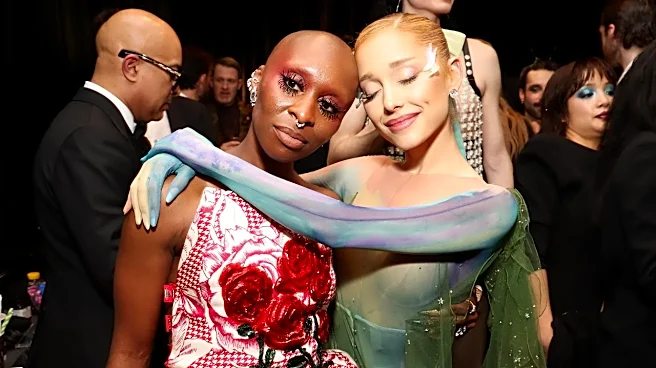
To bridge these two worlds, director Jon M. Chu's film adaptation made its most crucial move in the casting. Cynthia Erivo, a Tony-winning powerhouse of stage and screen, brings gravitas and depth as Elphaba. Opposite her, pop superstar Ariana Grande, who grew up as a massive fan of the musical herself, steps into Glinda's bubble. This pairing is a deliberate masterstroke. Erivo commands respect from older audiences and theater aficionados, while Grande brings an enormous built-in fanbase from a younger demographic who knows her more from Spotify than Broadway. Their genuine friendship off-screen mirrors the on-screen chemistry that is the heart of the story, creating an authentic bond that both sets of fans can rally behind.
Building a New Yellow Brick Road
The film itself acts as the ultimate connector, weaving together elements from every corner of the Oz universe. The movie is filled with visual Easter eggs and musical cues that nod to the 1939 film, from the font on the title card to subtle references in the score. At the same time, it is a faithful adaptation of the stage show, expanding the world in ways a theater production never could, showing us the detailed splendor of Shiz University and the Emerald City. By splitting the story into two parts, the filmmakers ensure that no beloved songs or characters are cut, satisfying the musical's diehard fans. The result is an experience designed to be welcoming to newcomers while rewarding the faithful of both Oz factions. It's a film that respects the legacy of Dorothy's journey while championing Elphaba's, betting that the story of Oz is big enough for both.