







More Than Just a Sparkly Strap
First, let’s get the definition straight. A tennis bracelet is a flexible, continuous line of gemstones, each set individually into a precious metal chain. Its name was famously coined in 1978 when tennis star Chris Evert’s diamond line bracelet snapped
and flew off her wrist during a U.S. Open match. But the style, also known as an eternity bracelet, existed long before that moment. What truly defines it is its articulated structure; it's not a rigid bangle but a fluid ribbon of gems designed to move with you. This flexibility is central to its identity and comfort, and it’s where the first signs of quality begin to appear.
The Secret Is in the Links and Fluidity
Here's the hidden detail: the quality of a tennis bracelet is revealed in the seamlessness and fluidity of its links. A superbly crafted bracelet will drape over your finger like silk, with no kinking, twisting, or stiffness. Each link is an individual component, meticulously soldered or riveted to the next. In a high-quality piece, these connections are flawless, allowing the bracelet to move naturally without catching or flipping over on the wrist. Some modern designs even incorporate elegant 'S' shaped links, which are engineered to enhance this fluid motion and comfort. When you hold it, it should feel substantial but not rigid, a sign of solid metal construction rather than hollow or plated materials. A cheap bracelet will feel stiff, have visible gaps, or bend at awkward angles, indicating poor assembly that can lead to premature wear and breakage.
Don't Forget the Clasp
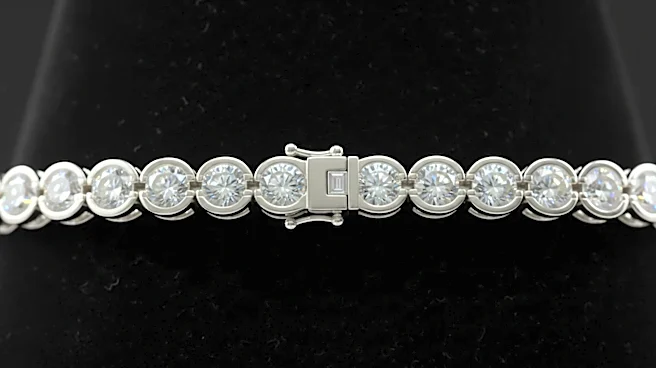
The fluidity of the links means nothing if the clasp isn't secure. This is the single most critical component for protecting your investment. A flimsy clasp is a major red flag for poor craftsmanship. The most secure and common option for a high-quality tennis bracelet is a box clasp, where a tongue clicks into a housing, often reinforced with at least one additional safety latch on the side. This dual-locking system provides essential peace of mind. Another excellent and discreet option is the underlock clasp, which uses a hidden push-button mechanism. When examining a bracelet, test the clasp. It should click firmly into place and be difficult to open accidentally, yet smooth to operate intentionally. If it feels loose, weak, or misaligned, it's a sign that corners were cut.
Setting the Stage for Brilliance
While the linking structure is the hidden hero, the stone settings are the visible markers of quality. Each gem should be held securely and uniformly. In prong settings, the most popular style, small metal claws hold the diamond, allowing maximum light to enter and create sparkle. Check that the prongs are smooth and not catching on fabric; rough edges are a sign of sloppy work. In bezel settings, a metal rim encircles the stone, offering superior protection for an active lifestyle. Regardless of style, the stones should not rattle or move when gently touched. A well-made bracelet will feature diamonds that are perfectly matched in size, cut, and color to create an unbroken, harmonious line of light.
The Drape Test: A Simple Check for Quality
You don't need a jeweler's loupe to perform the most important quality check. Simply hold the bracelet and let it drape over your extended finger. Does it hang straight and fluidly? Or does it bunch up, twist, or show uneven gaps between the links? A high-quality bracelet will have a supple, snake-like movement, demonstrating the precision of its construction. Run your fingers along the edges and the underside; it should feel completely smooth, with no sharp points or rough solder joints that could irritate your skin or snag on clothing. This simple tactile test reveals volumes about the care and attention that went into its creation.