




The Battle Against Shine
First, let's talk about the finish. A “matte” sunscreen is specifically formulated to absorb excess oil and reduce light reflection on the skin’s surface. Unlike traditional sunscreens that can leave a dewy or even greasy sheen, matte versions are engineered
to provide a smooth, velvety, and shine-free look. This is often achieved using oil-absorbing ingredients like silica or various clays. For an all-day event like the U.S. Open, where you'll be in the sun, likely sweating, and possibly taking photos, controlling unwanted shine is more than just vanity—it's about comfort. A matte finish helps you look and feel fresh, not slick, letting you focus on the action on the court instead of reaching for blotting papers between sets.
Performance Under Pressure: Sweat and Water Resistance
The U.S. Open takes place during the hot, often humid, days of late summer in New York. This is where the “water-resistant” part of the equation becomes critical. Sunscreens labeled as water-resistant are tested to maintain their SPF protection after a certain amount of time in water, and the same principle applies to sweat. A high-quality formula designed for outdoor activity won't break down and run into your eyes, causing that infamous stinging sensation just as a rally gets exciting. Combining a matte finish with water resistance gives you the best of both worlds: a product that controls oil and shine while also staying put through heat and perspiration, ensuring your protection doesn’t slide off after the first hour.
A Better Canvas for Your Skin
Beyond shine control, matte sunscreens often create a superior base, almost like a cosmetic primer. Their smooth, non-greasy texture can help blur the appearance of pores and create an ideal canvas for any makeup you might choose to wear. This also makes reapplication—a crucial step for any long outdoor event—far easier. Applying another layer of lotion or a powder sunscreen over a greasy base can feel heavy and messy. A matte surface, however, is much more receptive to touch-ups. Dermatologists recommend reapplying sunscreen at least every two hours when outdoors, and a formula that makes this process clean and simple is one you're more likely to use correctly.
What to Look for on the Label
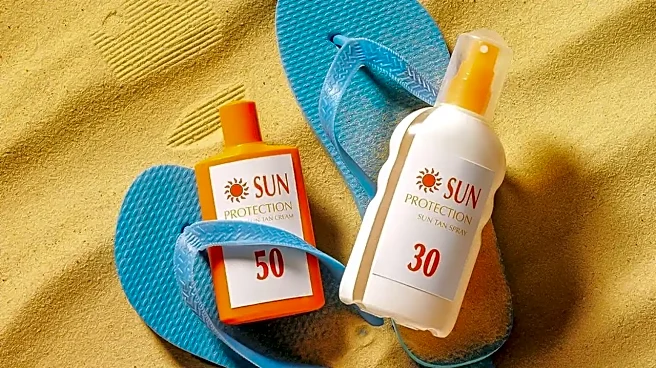
When choosing your sunscreen for the tournament, a few key terms will guide you to the right product. For a long day of sun exposure, dermatologists recommend a broad-spectrum formula with an SPF of at least 30, with many suggesting SPF 50 for prolonged outdoor events. “Broad-spectrum” means it protects against both UVA (aging) and UVB (burning) rays. Also, look for the term “non-comedogenic,” which indicates the product is formulated to not clog pores, a huge plus for anyone with oily or acne-prone skin. Finally, check the water-resistance rating; it will be specified for either 40 or 80 minutes, which tells you how often you’ll need to reapply if you’re sweating heavily.