




Spectacle vs. Story
When Amazon spends nearly half a billion dollars on a single season of television like it did for *The Lord of the Rings: The Rings of Power*, the assumption is that every dollar will be visible on screen. We expect glittering cities, sprawling armies,
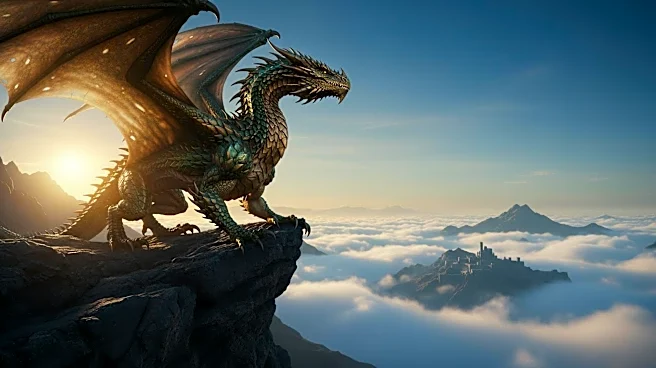
and magnificent beasts in every frame. And to be sure, these shows deliver vistas that would have been unthinkable a decade ago. Yet, the series that truly capture the cultural zeitgeist often exercise a surprising degree of self-control. The temptation with a massive budget is to create a constant fireworks display, a relentless visual assault that mistakes spectacle for substance. This can quickly lead to audience fatigue. A story with no quiet moments has no rhythm; a world with no mystery has no depth. The most effective fantasy epics understand that their budget is a tool to be deployed surgically, not a firehose to be left on at all times. The real investment isn't just in creating the dragon, but in creating the world where the dragon’s appearance feels momentous.
Making the Monster Matter
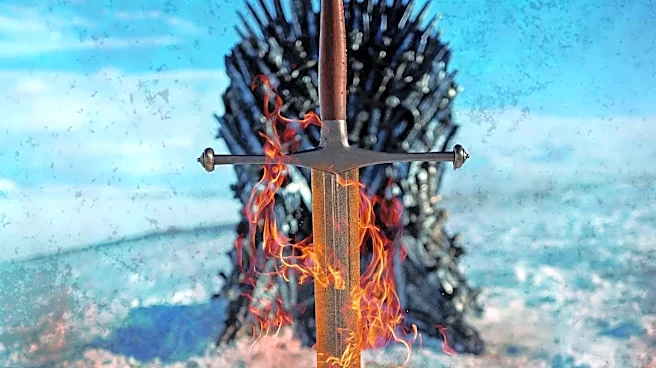
Remember the first season of *Game of Thrones*? The White Walkers were a chilling campfire story, a terrifying glimpse in the opening scene, and then… nothing. For an entire season, they were a creeping dread on the periphery, their power growing in our minds precisely because they were absent from the screen. This is the *Jaws* principle: the shark you don't see is always scarier. By holding back its most significant threats, a show builds a currency of tension. Each hushed conversation about the coming doom, each shadow that moves in the corner of the frame, deposits more emotional weight into the bank. When the payoff finally comes—a full-blown White Walker attack or a dragon unleashed in fury—the impact is seismic. Had we seen them every episode, they would have become routine, just another CGI monster. Restraint makes the eventual spectacle an event, not just scenery. It ensures that when the budget is flexed, it lands with the force of a battering ram, not the fizzle of a damp firecracker.
Investing in People, Not Just Pixels
The greatest fantasy stories are not about magic systems or fictional histories; they are about people. Pulling back on constant action and eye-popping CGI forces the narrative to lean on its strongest asset: character. HBO’s *House of the Dragon* is a masterclass in this. While the show certainly has dragons, its most compelling scenes are often just two or three people in a room, trading veiled threats and forging fragile alliances. The tension in a quiet dinner scene at Driftmark, thick with unspoken resentment and dynastic ambition, is more gripping than a dozen computer-generated battles. This focus on character is what keeps audiences invested between the big set pieces. We care about the dragon fight because we care about the person riding the dragon. By using its budget to build immersive, detailed sets and costumes, the show grounds its characters in a tangible reality. The money is spent creating a world rich enough to support complex human (or Elven, or Targaryen) drama, which is always more sustainable than a string of visual effects.
Letting the Audience Do the Work
The best fantasy writers, from J.R.R. Tolkien to Ursula K. Le Guin, understood that the most powerful graphic-rendering engine on the planet is the human imagination. A show that explains and shows everything treats its audience like a passive consumer. A show that hints, suggests, and implies invites the audience to become a co-creator of the world. When a character describes a past horror with a tremor in their voice, or when we only hear a creature’s terrifying screech from off-screen, our minds paint a picture far more personalized and potent than any digital artist could conjure. This restraint is a sign of respect. It signals that the creators have confidence in their world-building and their audience’s intelligence. It allows for ambiguity and mystery, elements that fuel fan theories, online discussion, and long-term engagement. Lavish spending can build a world, but strategic restraint is what makes it feel truly alive, vast, and worth exploring.