





The All-American Emo Uniform
In the suburbs and cities of 2000s America, a distinct uniform emerged from the emotional, melodic sounds of bands like My Chemical Romance, Fall Out Boy, and Dashboard Confessional. This was emo fashion, a visual language for a generation navigating
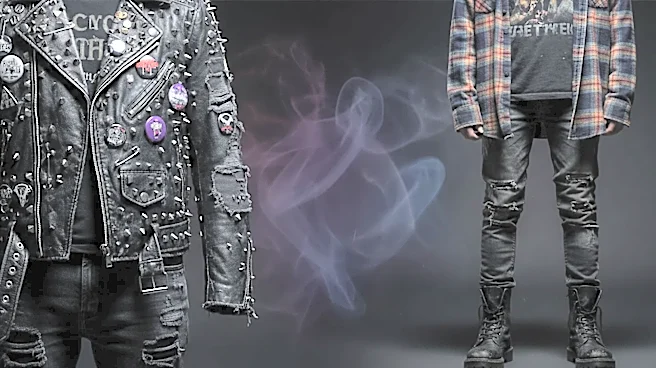
post-9/11 angst and timeless adolescent turmoil. The look was a carefully curated statement of identity, built from accessible pieces. The foundation was almost always a pair of skinny jeans, a stark rebellion against the baggy pants of the 90s. On top, a band T-shirt was essential, not just as clothing but as a badge of affiliation. This was layered with hoodies or flannel shirts. Accessories were crucial: a studded pyramid belt, Converse or Vans sneakers, and maybe a pair of fingerless gloves. And, of course, the hair—often dyed black, straightened, and swept dramatically across one eye—and the signature black eyeliner, worn by guys and girls alike. It was a style that felt deeply personal yet was instantly recognizable to anyone in the scene, a way to wear your heart, and your musical taste, on your sleeve.
Across the Pond: Indie Sleaze and Designer Edge
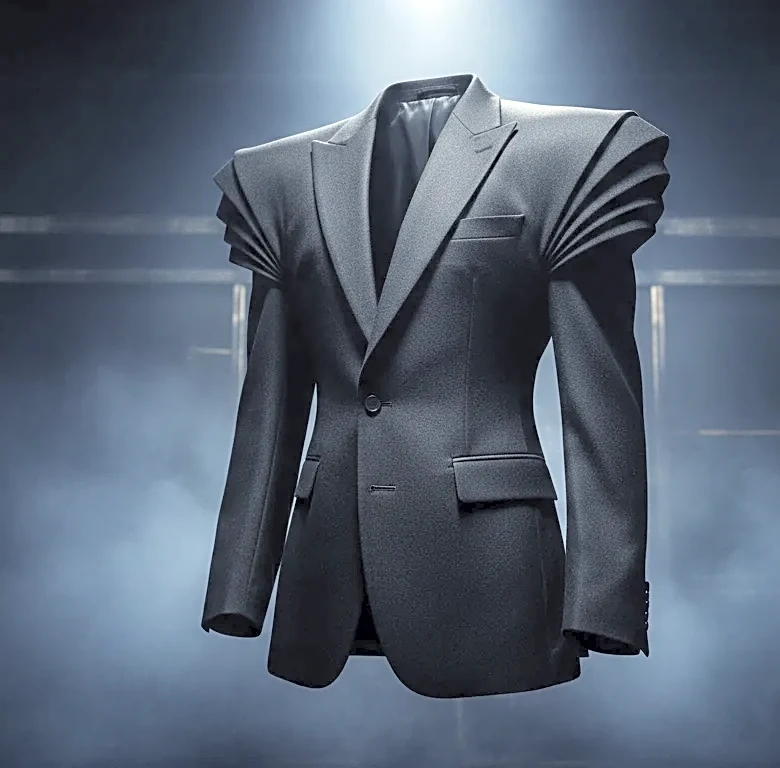
Meanwhile, in Europe, particularly in style hubs like London, a parallel movement was unfolding. It was grittier, messier, and had a more rock-and-roll swagger. Dubbed "indie sleaze" years later, this aesthetic was defined by figures like Kate Moss, Amy Winehouse, and Pete Doherty. The look was a chaotic mix of vintage finds, shredded mini-shorts, ballet flats or biker boots, and an air of hedonistic glamour. While American emo was often suburban and introspective, European indie sleaze felt distinctly urban and debaucherous, born in grungy clubs and immortalized by amateur flash photography. However, a key crossover was emerging from high fashion. In Paris, designer Hedi Slimane's work at Dior Homme in the early-to-mid 2000s was pioneering an ultra-skinny silhouette for men. His collections, featuring rail-thin models in impossibly narrow jeans and sharp tailoring, sent shockwaves through the industry and were hugely influential on the rock musicians of the era, who in turn inspired their fans.
A Shared Language of Skinny Jeans
Here's where the two seemingly separate worlds connected: the skinny jean. While high-fashion designers in Europe were showing them on runways, and indie bands in the UK were wearing them on stage, the American emo scene democratized the look. It took the slim-fit silhouette from an exclusive, high-fashion statement and turned it into a universal symbol of youth rebellion available at any mall. For both the American emo kid and the London indie fan, the skinny jean was a rejection of the mainstream aesthetics of the time. It was the common thread in a transatlantic dialogue, a shared uniform for a generation of kids listening to guitar music and feeling like outsiders. The styles were different—emo was more formulaic and graphic-driven, while indie sleaze was more eclectic and vintage-inspired—but they were speaking a similar language of defiance against the polished pop and baggy hip-hop styles that dominated the turn of the millennium.
The Quiet Legacy on Today's Wardrobe
The peak of both emo and indie sleaze may have passed by the early 2010s, but their influence didn't vanish; it was absorbed into the mainstream. The most obvious legacy is the band tee, which transformed from a subcultural signifier into a staple of fast-fashion retailers and a casual-Friday essential. The skinny jean, while it now competes with wider-leg styles, remains a foundational piece in many wardrobes, a testament to its staying power. But the influence runs deeper. The androgyny of emo fashion—with its gender-neutral eyeliner and hairstyles—helped lay the groundwork for the more fluid approaches to gender and style we see today. The mix-and-match, high-low sensibility of indie sleaze, combining vintage with new, cheap with chic, has become the default way many people now shop and dress. Periodic revivals bring the aesthetics back to the forefront, but the truth is, they never really left. They were simply integrated, quietly shaping the DNA of modern casual style in ways we now take for granted.