







More Than Just Running Hard
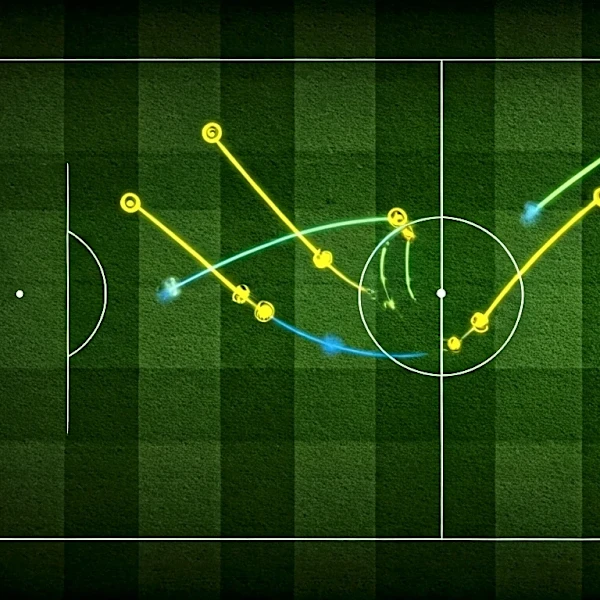
First, let's be clear: pressing isn't just about chasing the ball. It's a coordinated, strategic system designed to disrupt the opponent's build-up play, force errors, and win the ball back in dangerous areas. Think of it as a tactical full-court press in basketball,
but applied to the sprawling green of a soccer pitch. When a team presses effectively, it's not chaos; it's organized chaos. Each player knows their role, their triggers (like a bad touch or a pass to a specific player), and how to move in sync to cut off passing lanes and corner the player with the ball. The goal is to make the other team feel like the field is shrinking and their options are disappearing, leading to rushed decisions and turnovers.
Putting a Number on Hustle
For years, pressing was something you could only describe with the 'eye test.' But data analytics has given us a powerful tool to quantify it. The most famous metric is Passes Per Defensive Action, or PPDA. In simple terms, PPDA measures how many passes a team allows their opponent to make in their own end of the field before making a defensive action (like a tackle, interception, or foul). A low PPDA number means a team is pressing with high intensity, allowing very few passes before they try to win the ball back. For example, a team with a PPDA of 8 is far more aggressive than a team with a PPDA of 16. This single number gives analysts and coaches a snapshot of a team's defensive aggression and intent.
The Domino Effect of a High Press
So, why does a low PPDA so often correlate with winning? Because a successful press doesn't just stop the other team; it kickstarts your own attack. By winning the ball high up the pitch, a team is immediately closer to the opponent's goal. Instead of needing to build an attack from 70 yards out, they might be just 30 yards away with the defense already scrambling and out of position. This creates immediate, high-quality scoring chances. Furthermore, a relentless press has a psychological impact. It wears opponents down, forcing them into a reactive, panicked state. They can't find their rhythm, their star playmakers can't get on the ball, and confidence drains away with every misplaced pass. A high press allows a team to control the tempo and dictate the terms of the game.
A Predictor, Not a Prophecy
Now, let's address the headline. Can this stat *really* tell you who will win? The answer is a nuanced yes. While a low PPDA is a strong indicator of a team that is likely to dominate a match, it's not a guarantee of victory. Pressing is a high-risk, high-reward strategy. It demands incredible fitness and perfect coordination. If one player is out of sync, a skilled opponent can break the press and exploit the vast space left behind the high defensive line. A team might press effectively for 80 minutes but lose to a single, brilliant counter-attack. Recent World Cup matches have shown that even teams with aggressive pressing styles can be vulnerable if they aren't clinical in their finishing or face a well-organized defense. So, think of pressing intensity stats less as a crystal ball and more as a crucial part of the weather forecast—it tells you which way the wind is blowing, but it can't predict every drop of rain.