






The Silence of the Blockbusters
For the better part of a decade, the post-movie conversation for big-budget superhero films has been less of a debate and more of a checklist. Did you spot the Easter egg? What did the post-credits scene set up? Who do you think the secret villain is?
These are questions of plot mechanics and franchise logistics, not thematic substance. The Marvel Cinematic Universe, for all its revolutionary success, perfected a formula so satisfying and self-contained that there was often little to argue about. The heroes were heroic, the villains were (mostly) vanquished, and the moral calculus was straightforward. Even films that tried to be complex, like *Batman v Superman*, often got bogged down in convoluted plotting that left audiences confused rather than conflicted. The lobby debate died not from a lack of interest, but from a lack of anything truly debatable. We stopped asking “Was the hero right?” and started asking “What movie is this teasing next?” It was fun, but it wasn't fodder for a real, passionate argument over coffee afterward.
This Isn't Your TV Supergirl
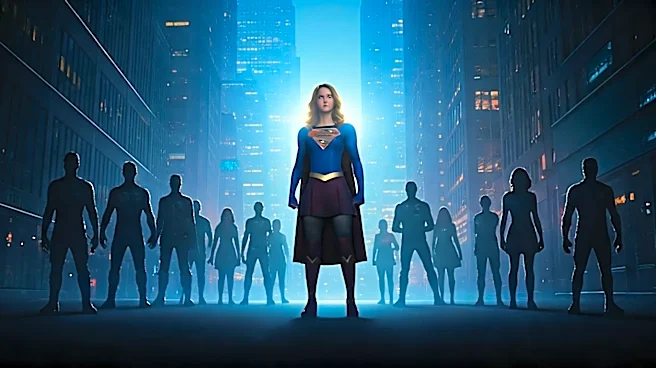
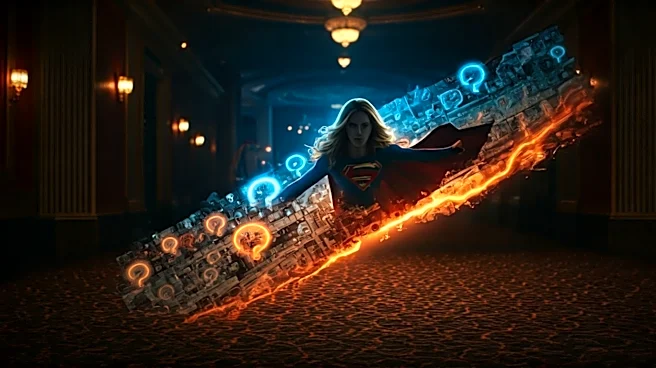
The key to understanding why the new film, *Supergirl: Woman of Tomorrow*, has this potential lies in its source material. This isn’t the perpetually optimistic and sunny Kara Danvers from the CW television series. The movie is a direct adaptation of the 2021-2022 comic book series of the same name by writer Tom King and artist Bilquis Evely, and it is a completely different beast. The story is a gritty, space-faring Western. It finds Kara Zor-El on a remote planet celebrating her 21st birthday, legally able to drink alien beer for the first time. She’s adrift, traumatized by the destruction of Krypton and feeling overshadowed by her famous cousin. Her journey begins when a young alien girl named Ruthye seeks a bounty hunter to avenge her murdered father. When the assassin nearly kills Kara, she and Ruthye team up to hunt him across the galaxy. It’s less of a superhero story and more of a revenge quest, colored by anger, trauma, and moral ambiguity.
A Hero Defined by Rage
What makes King’s version of Supergirl so compelling—and so ripe for debate—is her internal state. This Kara is filled with a deep, justifiable rage. She watched her world die. She lost everyone she ever knew. While Superman arrived on Earth as a baby, she arrived as a teenager with a lifetime of memories of a lost paradise. King’s writing frames her immense power not through the lens of hope, but through the lens of someone who has every right to be furious with the universe. Throughout the comic, her actions are often brutal and uncompromising. She’s not trying to inspire hope; she’s trying to exact justice, and her definition of justice is often violent. The central question the story poses is whether her actions are truly heroic or simply a focused expression of vengeance. Is she saving people, or is she just working through her own trauma by hunting down a bad guy? There are no easy answers, which is precisely the point. The story forces the reader to sit with uncomfortable questions about power, grief, and what it truly means to be “good.”
The Perfect Storm for Debate
With DC Studios head James Gunn promising a faithful adaptation and Milly Alcock—an actress who proved she can masterfully portray a morally complex and fiery character in *House of the Dragon*—stepping into the role, the ingredients are all here. The film isn't set up to be another clean, triumphant story about an unimpeachable hero. It’s poised to be a character study that asks the audience to make a judgment call. Will audiences see her as a righteous avenger or a hero who has lost her way? Is her violence justified by her past? Does her quest for revenge negate her heroism? These are the kinds of questions that fueled debates over *The Dark Knight*'s surveillance state or *The Last Jedi*'s portrayal of Luke Skywalker. They are messy, subjective, and have no right answer. By choosing this specific, challenging story, the filmmakers are betting that audiences are ready to do more than just watch—they’re ready to argue again.