





The Sunscreen Revolution: From Beach Bag to Bathroom Counter
The single most significant shift came from sunscreen. For decades, SPF was a seasonal affair, a thick, greasy shield slathered on for beach days or picnics. Early sunscreens were often unpleasant, leaving a white cast and feeling heavy on the skin. But
as dermatological research hammered home the link between daily UV exposure and long-term damage like wrinkles and loss of elasticity, consumer attitudes began to shift. Brands responded by innovating. Formulations became lighter, more cosmetically elegant, and started appearing in daily moisturizers and makeup. This evolution transformed sunscreen from a vacation-only product into a non-negotiable final step in a morning routine. The summer-centric need for sun protection became the bedrock of modern, health-focused skincare, emphasizing prevention as the primary goal.
Lightweight Hydration Goes Mainstream
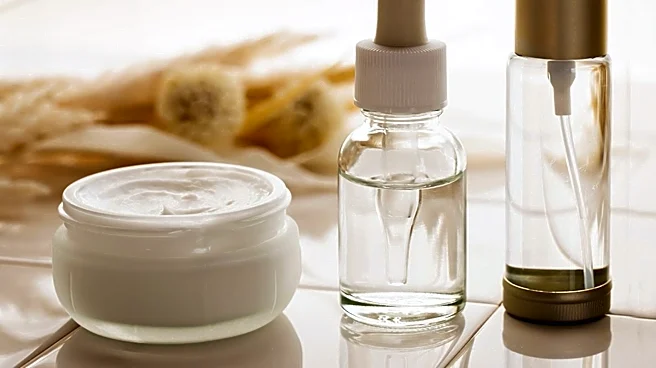
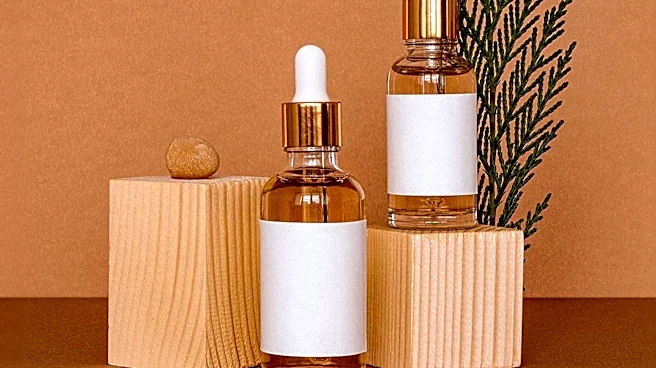
Summer's heat and humidity make heavy creams feel suffocating. For years, the solution was to switch to a lighter lotion for a few months. But this seasonal preference exposed a wider demand: people wanted hydration without the weight. Enter the era of serums and gel creams. These water-based formulas, initially popular for summer use, deliver potent ingredients like hyaluronic acid without the pore-clogging heaviness of traditional moisturizers. Consumers realized that you could achieve deep hydration without a thick, occlusive layer, and the trend exploded. Facial serums, once a niche product, are now a cornerstone of many routines, prized for their ability to target specific concerns from the neck down. The desire for comfortable, breathable moisture, born from sweltering July afternoons, is now a year-round expectation.
The Antioxidant Awakening
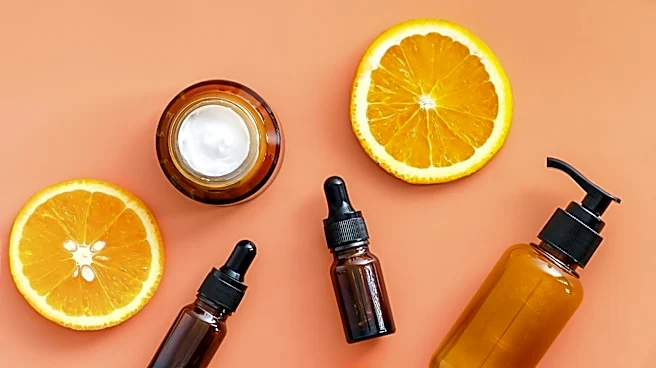
Summer means more sun, and more sun means more exposure to free radicals—unstable molecules that accelerate skin aging. This created a clear need for protective ingredients, and antioxidants became the answer. Vitamin C, in particular, rose to prominence as a skincare superstar. Renowned for its ability to neutralize UV-induced damage, boost collagen, and brighten the skin, it became a key ingredient in summer-focused serums. Soon, other powerful antioxidants like ferulic acid, resveratrol, and green tea extract joined the chat, often formulated together to enhance their protective effects. What began as a strategy to mitigate summer sun damage evolved into a daily defensive measure against all environmental aggressors, from pollution to blue light.
The Rise of "Skinimalism"
The principles of a great summer routine—light layers, multitasking products, and a focus on essentials—dovetail perfectly with the modern trend of "skinimalism." This less-is-more philosophy is a direct reaction to the overwhelming 10-step routines that left many with irritated skin. Summer skincare, by its very nature, is minimalist; who wants to layer ten products when it’s 90 degrees outside? This seasonal practicality reinforced a broader shift towards simplicity and efficacy. Skinimalism prioritizes a few hardworking products: a gentle cleanser, a targeted treatment (like an antioxidant serum), a lightweight moisturizer, and daily sunscreen. This streamlined approach, perfected for hot weather, proved so effective and sustainable that it has become a guiding principle for many, regardless of the season. It champions skin health over product count, a lesson we first learned from the summer sun.