


First, What Exactly Is Lip Primer?
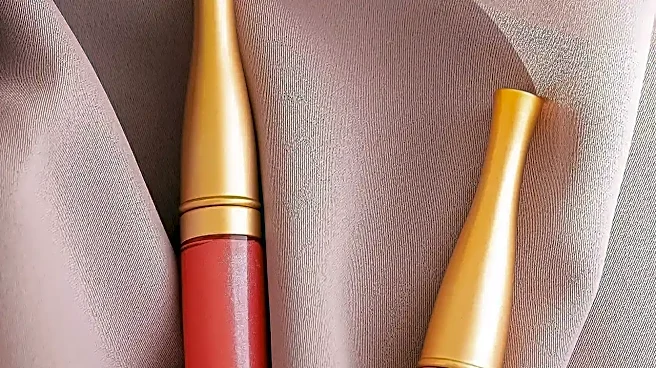
Think of lip primer as a base coat for your lipstick. Much like the primer you’d use on your face or eyelids, its primary job is to create an ideal canvas. Typically sold in stick or balm form, lip primers are designed to fill in fine lines, smooth the lip surface,
and create a barrier. The goal is to help your lip color apply more evenly, prevent it from feathering or bleeding into the lines around your mouth, and, most importantly, make it last significantly longer. Some formulas also offer hydrating benefits to prevent the drying effect associated with long-wear lipsticks.
The Pro-Primer Camp: The Perfectionists
Makeup artists who swear by lip primer often work in high-stakes environments like weddings, red carpets, or video shoots where makeup needs to be bulletproof for hours. For them, primer is insurance. By creating a super-smooth and slightly tacky surface, it helps lipstick adhere better and stay put without smudging or creasing. This is especially crucial for bold or dark lip colors where any feathering is instantly noticeable. Proponents argue that it ensures the lipstick's color stays true and vibrant, as the primer neutralizes the natural tone of the lips. They see it as an essential prep step for achieving a crisp, professional, and long-lasting finish that looks as good in person as it does on camera.
The Anti-Primer Camp: The Pragmatists
On the other side of the aisle are artists who see lip primer as largely unnecessary, a view famously shared by industry legend Bobbi Brown. This group argues that modern lipstick formulations have improved so dramatically that many are self-priming and long-wearing on their own. They believe that a good lip care routine—regular exfoliation and proper hydration with a quality lip balm—is far more important than an extra layer of product. Some artists also find that certain primers can alter the intended finish of a lipstick, making a creamy satin look too matte, for example. They often prefer to use a thin layer of concealer to neutralize lip color or a well-sharpened lip liner to define the edges and prevent feathering, believing these multi-tasking products get the job done without adding another step to the process.
The Real Reason: It’s About Philosophy, Not a Single Product
The disagreement isn't really about whether lip primers work—they generally do what they claim. The core of the debate is about necessity and artistic philosophy. The "perfectionist" camp prioritizes creating a flawless, long-wearing result at all costs, making primer an indispensable tool for guaranteed performance. The "pragmatist" camp values efficiency and a more minimalist approach, trusting their technique and the quality of their other products to achieve the desired look. Ultimately, the choice depends on the specific situation: the condition of the lips, the type of lipstick being used (a sheer gloss behaves differently than a matte liquid lip), and the desired longevity of the look. There is no single right answer because the needs of a bride on her wedding day are vastly different from someone applying a sheer tint for a casual outing.